
Get Professional Apartment Complex Electrical Panel
Installation in Seattle, Everett, Kirkland, Marysville,
Redmond, Edmonds, Bellevue, Snohomish, Shoreline,
Bothell, Mercer Island, Woodinville or Cottage Lake, Washington
Ready for licensed electricians to install or upgrade electrical panels
as part of your apartment complex tenant improvement project in
Seattle, Everett, Kirkland, Marysville, Redmond, Edmonds,
Bellevue , Snohomish, Shoreline, Bothell, Mercer Island, Woodinville or Cottage Lake?
Call us at (425)552-1502 or fill out the form below to schedule your electrical panel installation installation assessment.
Schedule Appointment
Expert Apartment Complex Electrical Panel Installation Throughout Western Washington

Electrical panel installations and upgrades in apartment complexes provide the foundation for all other electrical improvements, ensuring adequate capacity for modern electrical loads, supporting new circuit additions, and replacing outdated or unsafe equipment that creates liability and limits renovation options. Installing or upgrading electrical panels as part of an apartment complex tenant improvement project requires proper sizing for current and anticipated loads, coordination with utility service where capacity increases are needed, and code-compliant installation methods that ensure safe, reliable power distribution throughout the building. Whether you are an apartment complex owner upgrading undersized unit panels that cannot support modern appliances and in-unit laundry additions, a property manager replacing obsolete or recalled panel brands as part of a building-wide safety improvement program, a general contractor who needs a reliable electrical subcontractor to handle panel installations as part of a broader tenant improvement scope, or a building owner preparing units for renovation with electrical infrastructure that supports premium finishes and amenities, JCS Electrical delivers the electrical expertise and project coordination that has earned us five-star Google reviews and the trust of apartment complex owners, general contractors, and property managers throughout Snohomish and King Counties.
Call (425) 552-1502 for professional apartment complex electrical panel installation anywhere in our service area.
When Your Apartment Complex Requires Professional Electrical Panel Installation
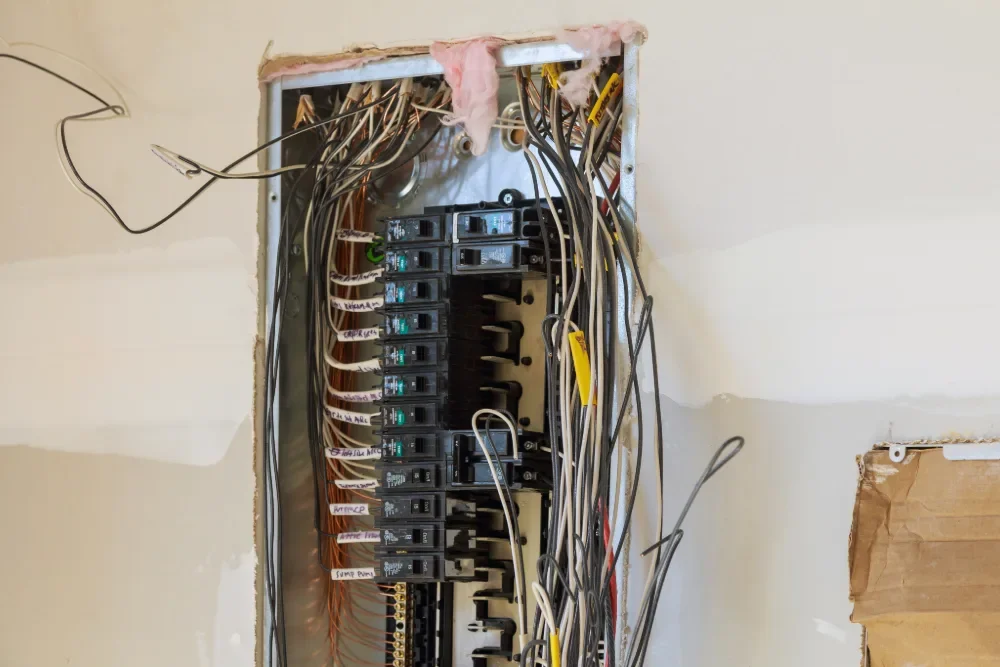
The decision to upgrade electrical panels in an apartment complex is most often driven by inadequate capacity that prevents desired improvements like in-unit laundry or EV charging, by the presence of obsolete or recalled panel brands that create safety and insurance concerns, or by a broader tenant improvement program that requires electrical infrastructure capable of supporting modern loads and premium finishes. In all of these situations, the electrical scope for panel installation must be planned and executed correctly to produce installations that are safe, code-compliant, and provide adequate capacity for both current and future needs.
Critical situations that make professional electrical panel installation essential at apartment complexes include unit renovation programs where existing panels lack capacity for new circuits including washer/dryer hookups, dishwashers, or modern kitchen appliances, buildings with Federal Pacific, Zinsco, or other recalled panel brands that insurers increasingly refuse to cover and that present documented fire hazards, properties adding EV charging infrastructure that requires panel capacity for high-amperage charging circuits, older buildings where original electrical panels have reached end of service life and no longer provide reliable circuit protection, and building-wide improvement programs where consistent electrical infrastructure across all units supports operational efficiency and future maintenance.
The importance of adequate panel capacity becomes obvious when planning tenant improvements that require new circuits. Washer and dryer hookups alone require three available circuit slots and adequate amperage headroom, and many older apartment unit panels simply cannot accommodate these additions without upgrades. Evaluating panel capacity across all units before beginning a tenant improvement program prevents the costly discovery mid-project that some units require panel upgrades before planned improvements can be completed.
Understanding Electrical Panel Requirements for Apartment Buildings
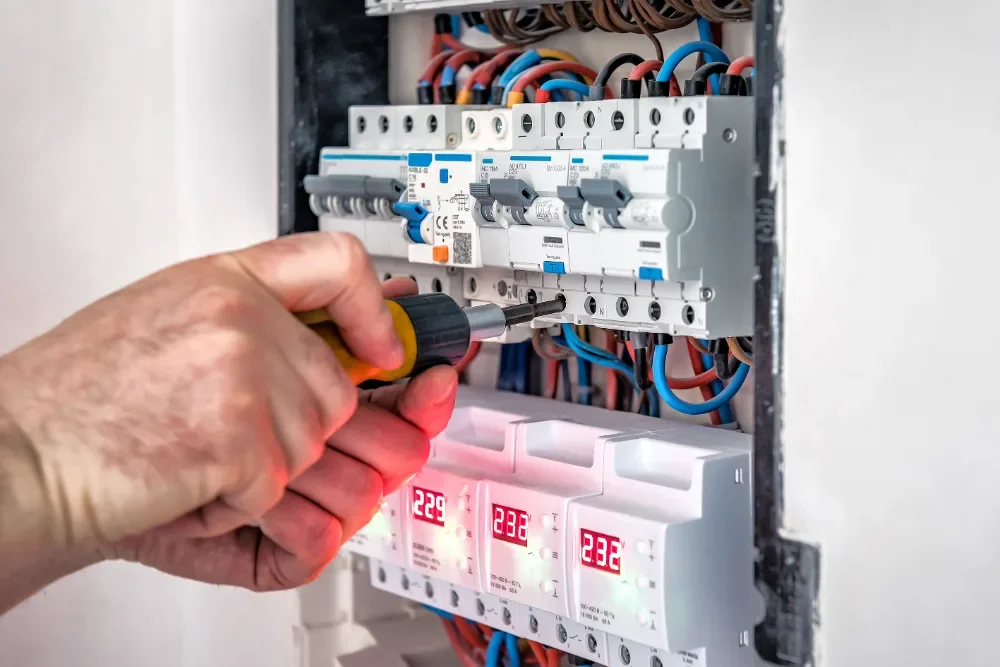
Electrical panel requirements in apartment buildings vary based on unit size, installed appliances, and the electrical loads that residents are expected to use. Older buildings were often constructed with minimal electrical capacity that assumed modest loads, while modern living expectations include numerous electronic devices, high-draw kitchen appliances, and potentially in-unit laundry that far exceed original design assumptions.
Unit panel sizing considerations include the number of circuits required for all installed outlets, lighting, and dedicated appliance circuits, the amperage rating needed to serve the total calculated load with appropriate safety margins, the physical panel size providing adequate circuit slots for current needs plus reasonable expansion, and compatibility with available breaker types for AFCI and GFCI protection required by current code.
Common apartment unit panel configurations include 100-amp panels that provide adequate capacity for typical apartment loads including electric ranges and in-unit laundry, 125-amp panels that offer additional headroom for units with multiple high-draw appliances, and 60-amp or 70-amp panels in older buildings that often require upgrades to support modern electrical loads and tenant improvement additions.
Our Comprehensive Apartment Complex Electrical Panel Installation Strategy
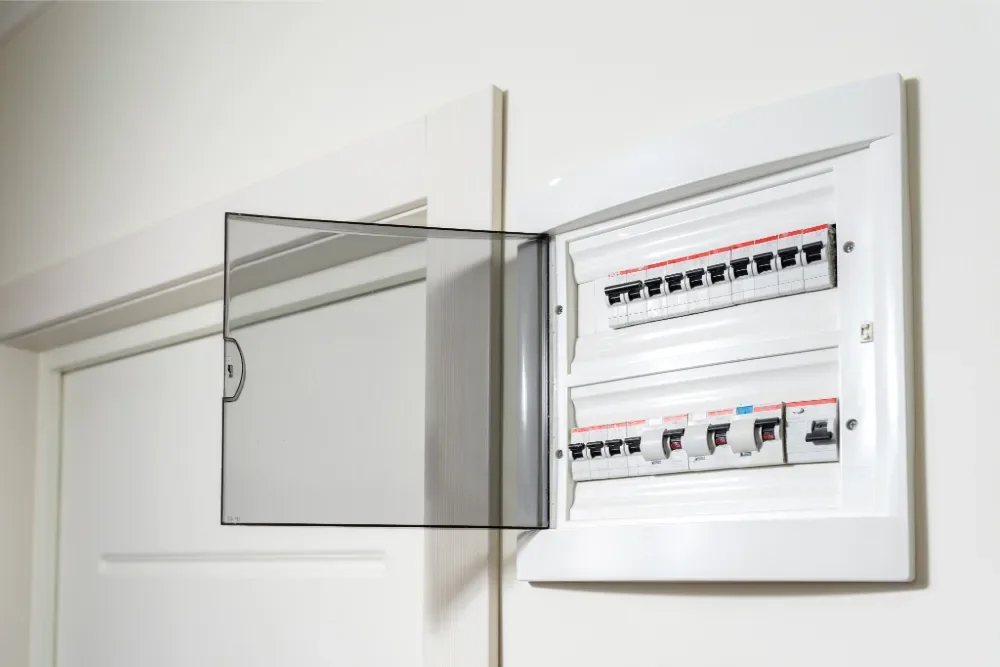
Effective electrical panel installation across an apartment complex requires accurate load analysis, proper equipment specification, and efficient execution that minimizes disruption to residents while ensuring consistent installation quality throughout the building. Our approach begins with a comprehensive assessment of existing electrical infrastructure across all units before any equipment is specified or work begins.
Our pre-installation process for apartment complex electrical panel projects includes assessment of existing panel brands, amperage ratings, and available capacity across all units to identify which panels require replacement or upgrade, load calculations for each unit type that account for existing circuits plus any additions planned as part of the tenant improvement scope, coordination with the utility where service upgrades are required to support increased panel capacities, specification of appropriate panel equipment that provides adequate capacity, circuit slots, and compatibility with required protective devices, and coordination with property management on unit scheduling to minimize resident disruption and coordinate any required power outages.
Our installation process is built around completing each panel installation safely and correctly with minimal disruption to residents. We coordinate power outages with the utility and building management, remove existing panels and install new equipment, transfer all existing circuits to the new panel with proper labeling, install any new circuits included in the project scope, and restore power with testing to verify all circuits operate correctly.
Throughout the installation we provide only code-compliant electrical work including properly sized panels rated for the calculated loads, correct breaker types including AFCI and GFCI protection where required by current code, secure connections that meet manufacturer specifications and code requirements, proper grounding and bonding that ensures safe fault current paths, complete circuit labeling that identifies all circuits clearly, and installation methods that meet Washington State electrical code requirements.
Unit Electrical Panel Upgrades
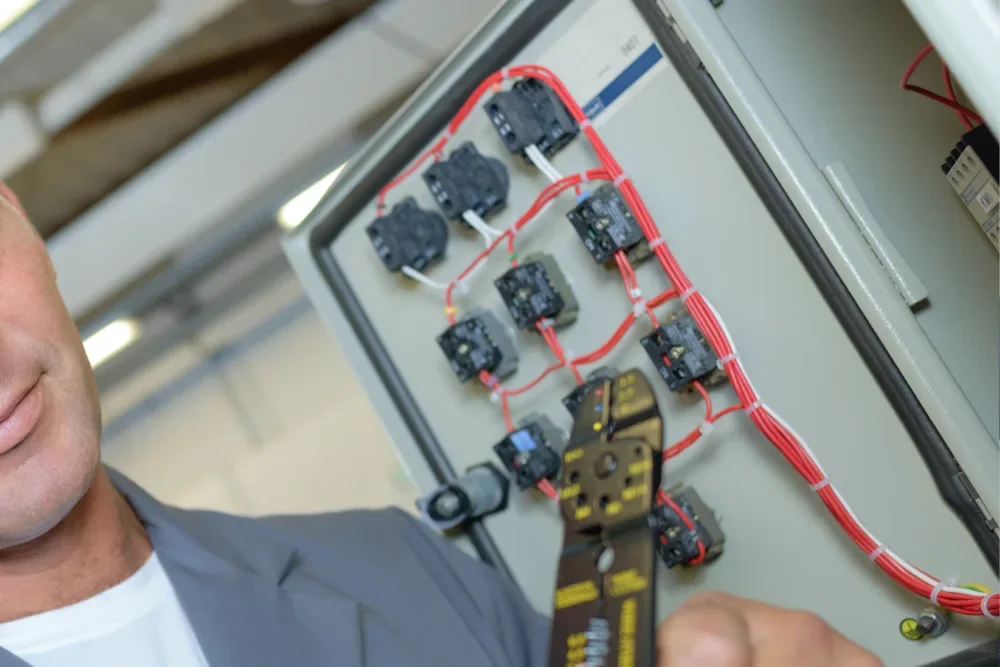
Unit electrical panel upgrades replace undersized or obsolete panels in individual apartment units with modern equipment that provides adequate capacity for contemporary electrical loads. These upgrades enable tenant improvements that existing panels cannot support while improving safety and reliability throughout the unit electrical system.
Unit panel upgrade benefits include increased capacity that supports washer/dryer hookups, modern kitchen appliances, and other high-draw additions, additional circuit slots that accommodate new dedicated circuits without requiring subpanels, modern breaker technology including AFCI and GFCI options that provide enhanced protection, replacement of obsolete or recalled equipment that may present fire hazards or insurance complications, and improved reliability from new equipment with current safety features and full manufacturer support.
For apartment complex owners planning multi-unit improvement programs, we provide building-wide panel assessments that identify which units require upgrades and develop consistent specifications that standardize electrical infrastructure across the property.
Obsolete and Recalled Panel Replacement
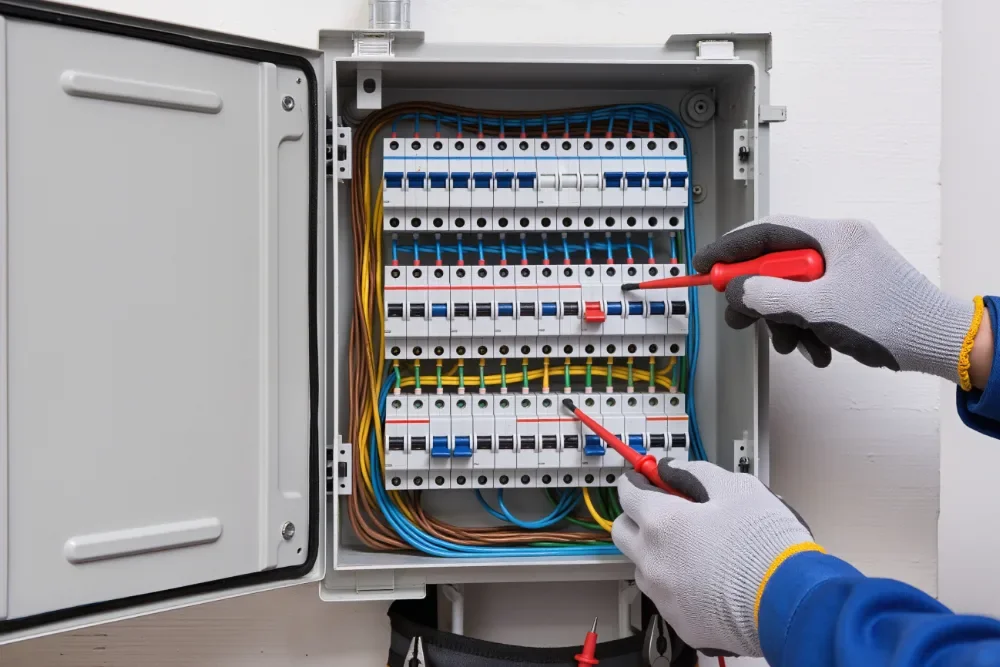
Several electrical panel brands manufactured in previous decades have documented safety issues that make replacement a priority regardless of other improvement plans. Federal Pacific Electric (FPE) and Zinsco panels in particular have well-documented failure rates that create fire hazards and increasingly trigger insurance coverage concerns.
Panels that should be replaced due to safety concerns include Federal Pacific Electric Stab-Lok panels with breakers that may fail to trip during overloads and short circuits, Zinsco and Sylvania Zinsco panels with breakers that may not properly interrupt fault currents, Pushmatic panels that use obsolete technology with limited replacement breaker availability, and any panel showing signs of overheating, corrosion, or physical damage that indicates compromised safety.
For apartment complex owners with these panel brands throughout their buildings, we provide comprehensive replacement programs that systematically upgrade every unit to modern, safe equipment. Proactive replacement eliminates fire hazards, resolves insurance concerns, and prevents the emergency situations that occur when obsolete panels fail during actual electrical faults.
Main Distribution Panel and Building Service Upgrades
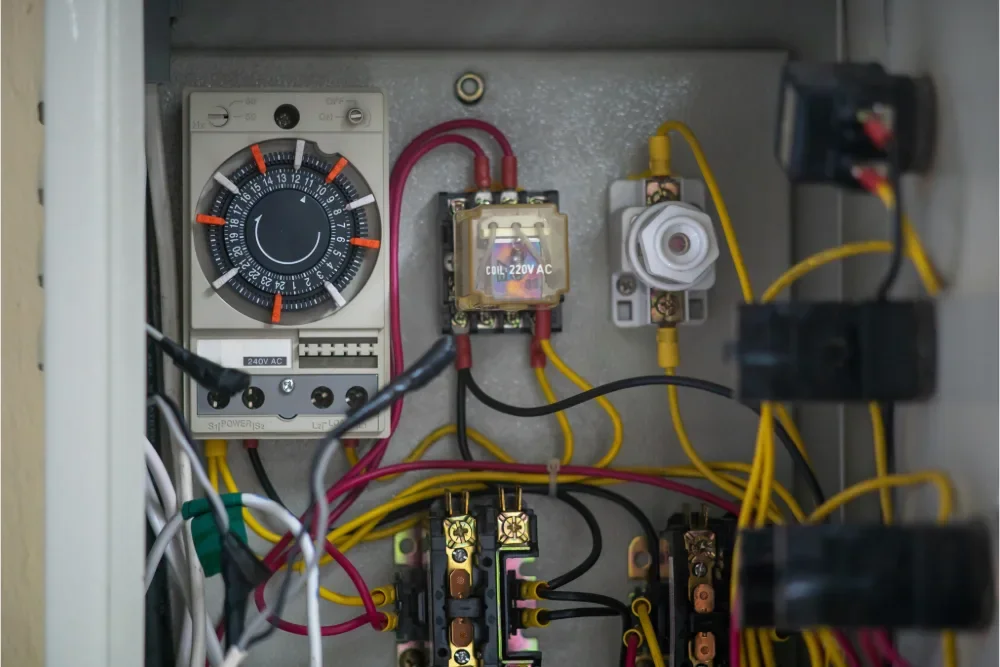
Apartment building electrical systems include main distribution panels and service equipment that supply power to individual unit panels and common area circuits. These building-level panels may require upgrades when adding significant loads, when existing equipment has reached end of service life, or when tenant improvements across multiple units exceed the building's existing service capacity.
Building service considerations include total building load calculations that sum all unit and common area demands to determine service requirements, utility coordination for service upgrades that increase the building's electrical capacity, main breaker and distribution equipment sizing that provides adequate capacity with appropriate safety margins, metering arrangements that properly measure consumption for billing purposes, and emergency and standby power provisions that integrate with building backup systems.
Our building service expertise addresses the complete electrical distribution system from utility service through unit panels, ensuring that capacity improvements at any level are supported by adequate infrastructure throughout the system.
Common Area Electrical Panel Installation
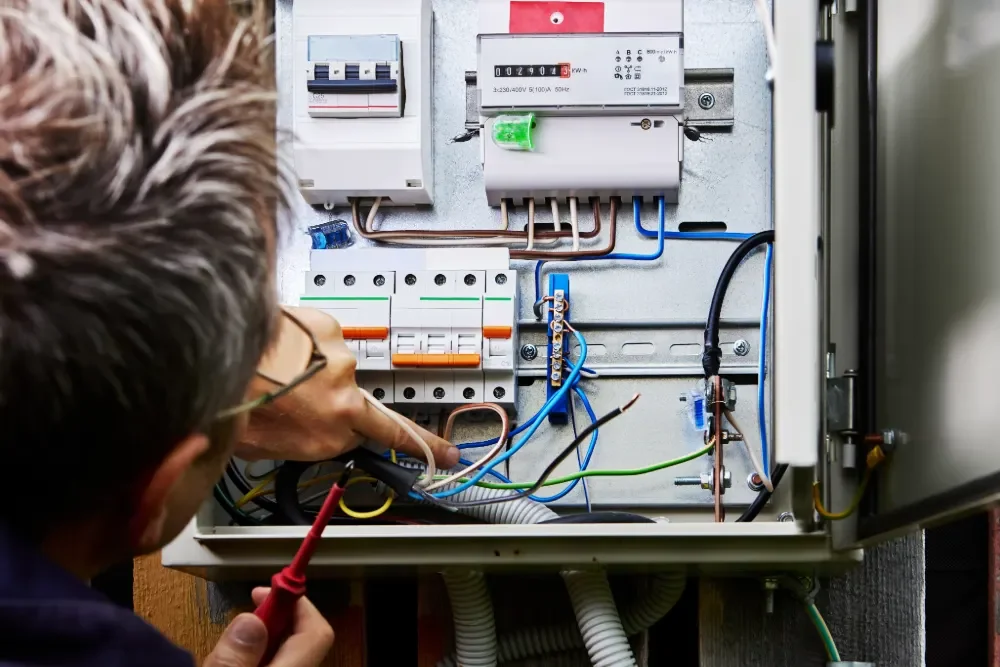
Common area electrical panels serve building shared spaces including lobbies, hallways, amenity rooms, and exterior areas. These panels may require upgrades or additions when tenant improvements add common area electrical loads or when existing equipment cannot support planned improvements.
Common area panel applications include lobby and hallway lighting circuits with capacity for upgraded fixtures and lighting controls, amenity space power including fitness rooms, lounges, business centers, and package rooms, exterior lighting and landscape power for parking areas, walkways, and building perimeter, EV charging infrastructure that may require dedicated panels for charging station circuits, and security and access control systems requiring dedicated circuits and backup power provisions.
Our common area panel installations address the specific load requirements for each application while providing adequate capacity for future expansion and compatibility with building management and emergency power systems.
Electrical Panel Load Calculations and Sizing
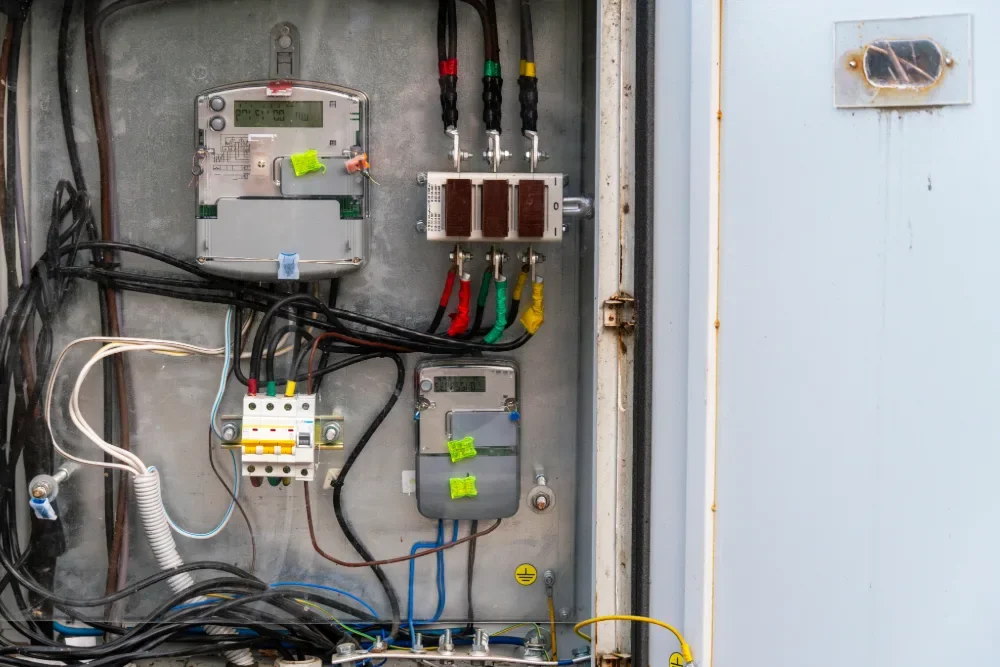
Proper electrical panel sizing requires load calculations that account for all connected circuits, apply appropriate demand factors, and ensure adequate capacity for both current loads and reasonable future additions. Undersized panels limit renovation options and create nuisance tripping, while oversized panels add unnecessary cost.
Load calculation factors include general lighting and receptacle loads calculated by square footage, fixed appliance loads including ranges, ovens, and water heaters, motor loads including HVAC equipment and garbage disposals, dedicated circuit loads for washers, dryers, and dishwashers, demand factors that account for not all loads operating simultaneously, and future additions that should be anticipated during sizing calculations.
Our load calculation process evaluates existing circuits, planned additions, and reasonable future expansion to specify panels that provide adequate capacity without unnecessary oversizing. We document calculations for permit applications and provide property owners with clear information about the capacity their upgraded panels will provide.
AFCI and GFCI Protection Requirements
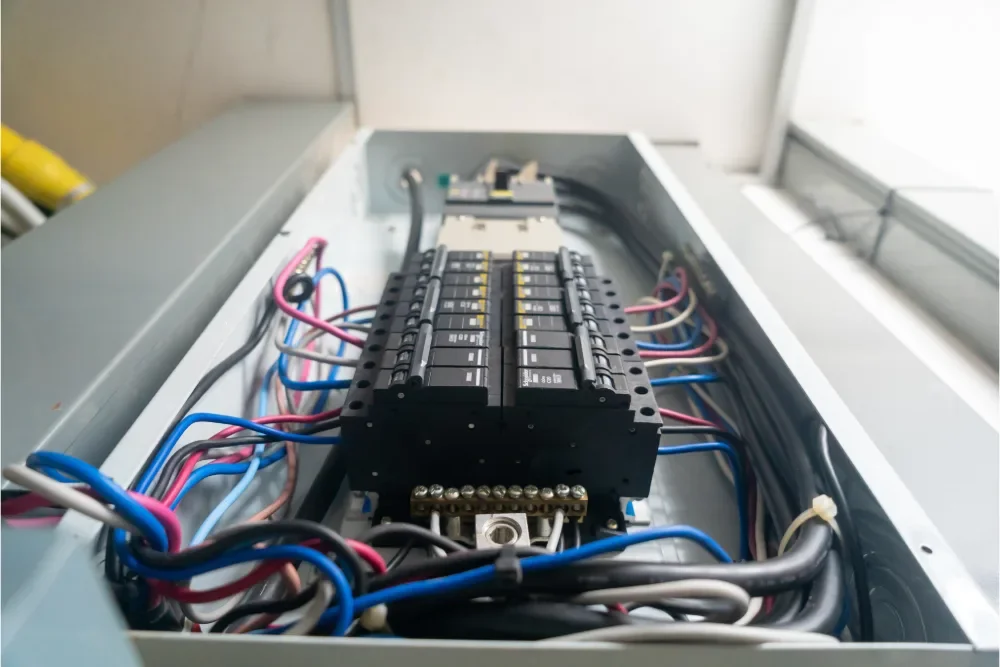
Current electrical code requires arc-fault circuit interrupter (AFCI) and ground-fault circuit interrupter (GFCI) protection for various circuits in residential occupancies. Panel upgrades and new circuit installations must comply with these requirements, which have expanded significantly in recent code editions.
AFCI protection requirements include bedroom circuits where AFCI breakers have been required for many years, and most other dwelling unit circuits where current code extends AFCI requirements to kitchens, living rooms, and other spaces. GFCI protection requirements include bathroom circuits, kitchen countertop receptacles, laundry area receptacles, garage receptacles, outdoor receptacles, and other locations where shock hazards are elevated.
Our panel installations specify breakers that meet current AFCI and GFCI requirements for all new and modified circuits. While existing circuits that are not being modified may not require immediate upgrade, we advise property owners on the benefits of comprehensive protection and can incorporate enhanced protection into panel upgrade scopes where desired.
Multi-Unit Electrical Panel Upgrade Programs
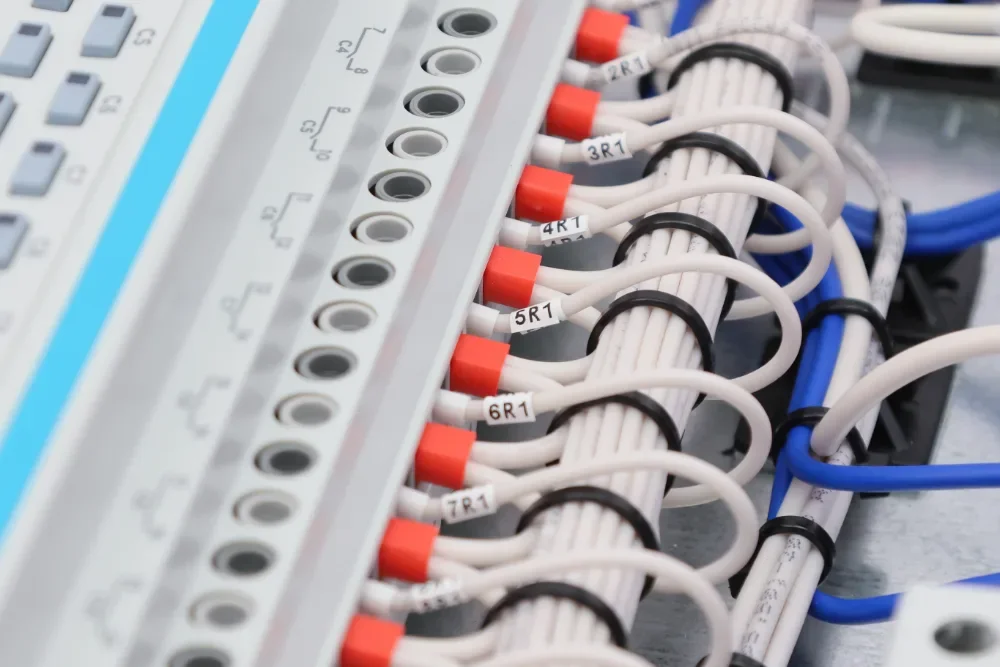
Apartment complex owners upgrading electrical panels across multiple units benefit from a coordinated multi-unit program that addresses every unit efficiently under a single project scope. JCS Electrical has the project management capability and licensed electrical workforce to execute panel upgrade programs across apartment complexes of all sizes throughout Snohomish and King Counties.
Our multi-unit program capabilities include building-wide assessment that documents existing panel conditions and specifies appropriate replacements for each unit, standardized panel specifications that provide consistent equipment and capacity across the property, coordinated unit scheduling with property management that minimizes resident disruption and manages power outages efficiently, parallel work in multiple units that accelerates project completion where building electrical configuration permits, consistent installation standards that ensure uniform quality throughout the building, and volume pricing that reduces per-unit costs for larger programs.
For apartment complex owners planning panel upgrades as part of larger capital improvement programs, we coordinate panel work with other electrical improvements including new circuit installations, lighting upgrades, and EV charging infrastructure so that all work is completed efficiently during coordinated project phases.
Electrical Code Compliance for Panel Installation
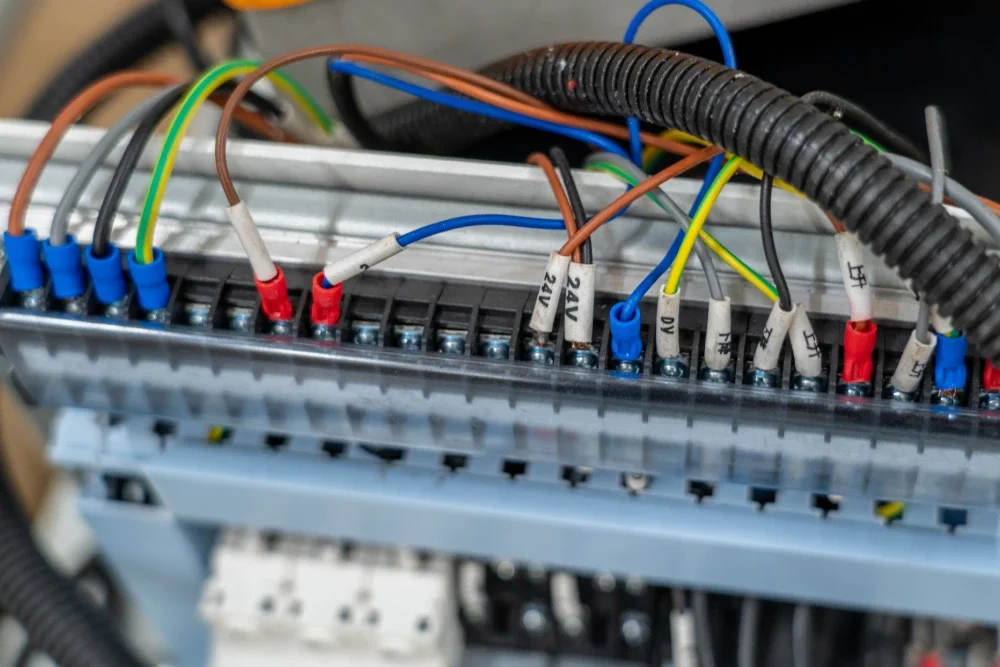
Electrical panel installations at apartment complexes must comply with National Electrical Code requirements, Washington State electrical code, and local jurisdiction amendments that govern panelboard ratings, installation methods, clearances, and protective device requirements. Code compliance ensures safe operation and prevents inspection failures that delay project completion.
Electrical code requirements for panel installation include proper panel ratings and listings for the intended application, working clearance requirements that maintain required distances in front of panels, dedicated space requirements that keep required areas above and below panels clear, proper grounding and bonding that ensures safe fault current paths, correct breaker types and ratings for all connected circuits, and complete circuit identification with legible, accurate labeling.
We are experienced with the electrical inspection process across jurisdictions throughout the Seattle metro area and understand what inspectors look for on apartment complex panel installations. Our installation approach is designed to pass inspection without rework, and we maintain documentation that supports the permit process and provides a permanent record for the property file.
Panel Installation Coordination and Scheduling
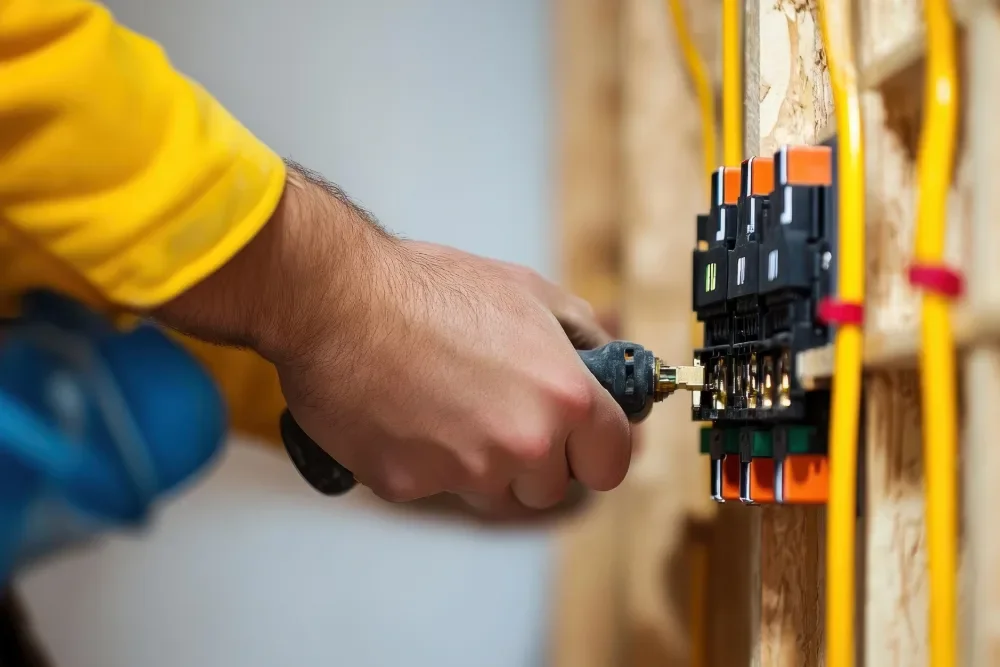
Electrical panel installation requires temporary power interruption that must be coordinated with residents, property management, and the utility. Proper scheduling minimizes disruption while ensuring adequate time for safe, complete installation work.
Coordination requirements include resident notification that provides adequate advance notice of scheduled power outages, property management communication that coordinates unit access and any building-wide scheduling considerations, utility coordination for service disconnection and reconnection where required for main service work, timing considerations that schedule outages during periods of minimal impact on residents, and contingency planning that addresses unexpected issues without extending outages beyond scheduled windows.
Our scheduling approach balances efficient project execution with respect for resident needs, providing clear communication throughout the process and completing work within committed timeframes whenever possible.
Subpanel Installation for Expanded Capacity
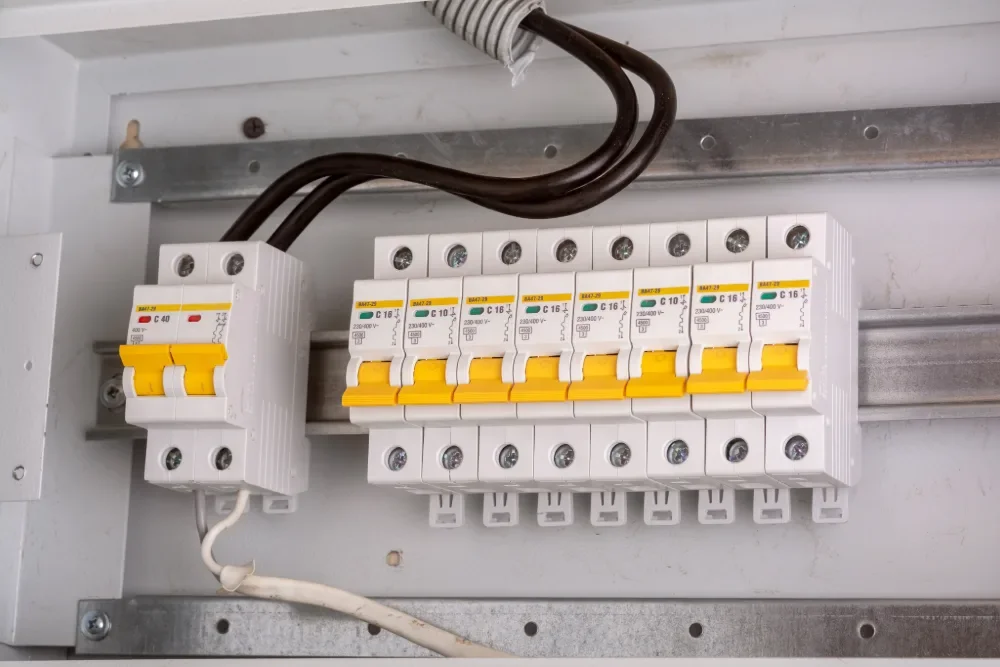
Subpanels provide additional circuit capacity in situations where main panel upgrades are not practical or where specific areas require dedicated distribution points. In apartment applications, subpanels may serve new additions, remote locations, or specific high-load areas that benefit from dedicated electrical distribution.
Subpanel applications include in-unit additions where the main panel has adequate amperage but insufficient circuit slots, garage or storage areas requiring multiple circuits at a distance from the main panel, EV charging installations where dedicated subpanels simplify metering and load management, and common area additions where new loads are best served from a local distribution point.
Our subpanel installations are properly sized for the intended loads, fed from appropriately rated breakers in the main panel, and installed with correct grounding and bonding that maintains electrical safety throughout the system.
Planning Your Apartment Complex Electrical Panel Installation Scope
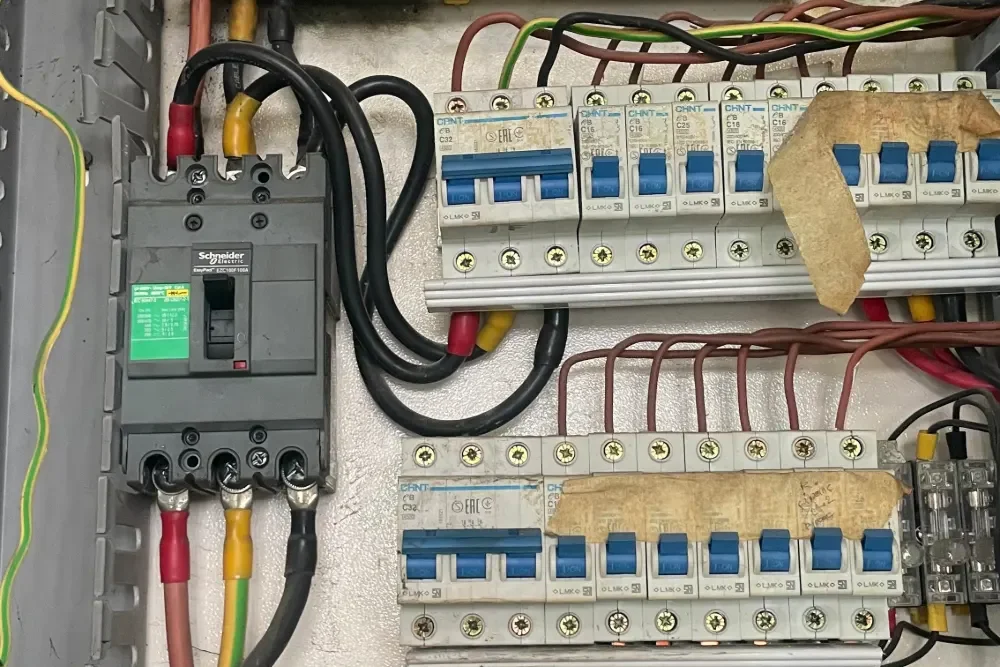
Successful electrical panel installation across an apartment complex begins with accurate scope definition that accounts for the number of units requiring work, existing conditions throughout the building, planned improvements that drive capacity requirements, and the scheduling constraints of an occupied property. Our planning process gives apartment complex owners and property managers a clear picture of the full installation scope, accurate project pricing, and a realistic approach before work begins.
We work with apartment complex owners, property managers, and general contractors to develop electrical panel installation scopes that meet code requirements, provide adequate capacity for planned improvements, and are executed with minimal disruption to residents and building operations. Whether the project involves upgrading panels in a handful of units or replacing electrical infrastructure throughout an entire apartment complex, we provide the expertise and coordination that ensures the work is completed correctly and completely.
Areas We Serve
Service Areas
If you need electrical services or an electrician in Seattle, WA, or any of the locations listed, do not hesitate to give us a call today! Schedule an appointment and we will head to your city to diagnose your electrical needs.
King County
Seattle, WA

Bellevue, WA
Kirkland, WA
Mercer Island, WA
Kent, WA
Federal Way, WA
Burien, WA
Des Moines, WA
Tukwila, WA
Woodinville, WA
Redmond, WA
Cottage Lake, WA
Shoreline, WA
Renton, WA
Fairwood, WA
White Center, WA
SeaTac, WA
South Center, WA
Snohomish County
Bothell, WA
Everett, WA
Snohomish, WA
Edmonds, WA
Marysville, WA
Pierce County
Tacoma, WA
Puyallup, WA
Edgewood, WA
Auburn, WA
Sumner, WA
Fife, WA
Dash Point, WA
Monday Through Saturday:
6:00am to 6:00pm
Sunday:
6:00am to 12:00pm
Hours of Operation
Location
Schedule Your Apartment Complex Electrical Panel Installation Consultation
Don't let undersized or obsolete electrical panels limit your tenant improvement options or create safety concerns when professional panel installation can provide the capacity and reliability your apartment complex needs. Trust JCS Electrical's expertise in apartment complex tenant improvement electrical work to plan and install your electrical panels with the code compliance, proper sizing, and installation quality that apartment complex owners and property managers throughout Western Washington rely on.
📞 Call Anytime at (425) 552-1502 📧 Email team@jcselectricalseattle.com
Service Hours: Monday – Saturday: 6:00 AM to 6:00 PM Sunday: 6:00 AM to 12:00 PM
Serving: Seattle, WA | Everett, WA Kirkland, WA | Marysville, WA Redmond, WA | Shoreline, WA Edmonds, WA | Bellevue, WA Bothell, WA | Snohomish, WA Mercer Island, WA | Woodinville, WA Cottage Lake, WA
Whether you are an apartment complex owner upgrading undersized unit panels to support modern electrical loads and in-unit laundry additions, a property manager replacing obsolete or recalled panel brands as part of a building-wide safety improvement program, or a general contractor handling electrical scope on an apartment complex tenant improvement that includes panel installation, JCS Electrical delivers the electrical expertise and project coordination that ensures your electrical panels are installed safely, pass inspection, and provide the capacity your building needs for current and future electrical demands. Contact us today and discover why apartment complex owners and property managers throughout Snohomish and King Counties trust us for tenant improvement electrical work.
Our Customer Reviews
EXCELLENT
⭐⭐⭐⭐⭐
Based on 20 Reviews on Google
-
![Amy O'Neil review for JCS Electrical from Google]()
Amy O'Neill
⭐⭐⭐⭐⭐
We hired JCS Electrical to install a whole home generator after losing power for a week following the last bomb cyclone. Justin provided a comprehensive report with generator options based on our needs. He was very communicative and professional throughout the entire process and handled all the necessary permits and contractors. I would highly recommend JCS Electrical and plan to hire them again!
-
![Lisa Johnson review for JCS Electrical from Google]()
Lisa Johnson
⭐⭐⭐⭐⭐
Justin and Richard did a great job, on time, professional and friendly, pulled two lines from garage through to kitchen area, in a tri-level house it was a bit of a challenge. I really give them 10🌟
-
![Nicholas Johnson review for JCS Electrical from Google]()
Nicholas Johnson
⭐⭐⭐⭐⭐
Had and excellent experience with Justin and his crew. Top self work installing backup system and outdoor heater!
-
![Corinne White Review on Google for JCS Electrical]()
Corinne White
⭐⭐⭐⭐⭐
Fast, efficient, dependable, and very helpful. I called on Sears originally, but after my appointment was delayed multiple times throughout the day, I received a text telling me my appointment was cancelled for the day and rescheduled for four days later (and the diagnostic fee was twice what Justin charged!!!). I canceled them, scheduled Justin, who came one day later, at the scheduled time, and showed up on time again the day after we received the part! We highly recommend JCS Construction!!




FAQs
-
Absolutely, JCS Electrical is a fully licensed electrician near me and insured for all electrical services, ensuring your property and our team are protected. Operating in Servicing Greater Seattle, King, Snohomish and Pierce Counties, we comply with local regulations and uphold the highest standards of professionalism. Our reputation for reliable electrical contractor services speaks for itself. Call us to verify our credentials or book a free consultation.
-
If the project calls for permits and inspections, then we will ensure compliance with local building codes. We can handle permits and arrange for inspections, as required by law.
-
We adhere to the safety standards of the National Electrical Code and use proper equipment to prevent hazards like electrical fires or shocks.
-
Absolutely. We will be more than happy to assist in an urgent situation where a repair is necessary or provide post-project support when it is deemed fit. Our availability for emergencies is around the clock so please let us know if you are experiencing one.
Our electricians provide rapid response for urgent electrical issues, such as power outages or unsafe wiring, in Servicing Greater Seattle, King, Snohomish and Pierce Counties. Our licensed electricians ensure quick, safe solutions. Call us for emergency electrical service.
-
JCS Electrical, a leading electrician near me, provides top-quality electrical services for residential and commercial clients in Greater Seattle, Pierce, King and Snohomish Counties. Our services include home standby backup generator installations, EV charger installations, generator plug-in/interlock kits, main panel and subpanel installations, residential electrical wiring, electrical repairs, hot tub electrical installation, home automation (IoT), HVAC wiring, and specialty installations like heated floors, bathroom fans, and timer switches. We also offer outdoor electrical services such as landscape lighting, outdoor outlet installation, gate motors, and pool pump wiring, plus kitchen, bathroom, dining room, living room, and bedroom electrical upgrades. Our licensed electricians ensure reliable, code-compliant solutions. Call us for a free quote to start your project.
-
Installations must comply with:
Local electrical codes and regulations
Industry safety standards
Proper grounding and bonding practices
-
Most apartment units require:
100–150 amps for standard units
200 amps or more for larger or upgraded units
A licensed electrician will calculate the correct size based on load demand.
-
Sign include:
Frequent breaker trips
Flickering trips
Burning smells or overheating
Limited breaker space
Use of outdated panels (e.g., fuse boxes)
-
Yes, when performed by a licensed electrician. Proper installation ensures:
Correct grounding and bonding
Safe load distribution
Compliance with electrical codes
-
While the panel itself doesn’t reduce energy consumption, it supports efficient electrical distribution and allows integration of energy-efficient systems and appliances.