
Get Professional Apartment Complex Transfer Switch
Installation in Seattle, Everett, Kirkland, Marysville,
Redmond, Edmonds, Bellevue, Snohomish, Shoreline,
Bothell, Mercer Island, Woodinville or Cottage Lake, Washington
Ready for licensed electricians to install transfer switches
as part of your apartment complex tenant improvement project in
Seattle, Everett, Kirkland, Marysville, Redmond, Edmonds,
Bellevue , Snohomish, Shoreline, Bothell, Mercer Island, Woodinville or Cottage Lake?
Call us at (425)552-1502 or fill out the form below to schedule your transfer switch installation installation assessment.
Schedule Appointment
Expert Apartment Complex Transfer Switch Installation Throughout Western Washington

Transfer switch installations in apartment complexes provide the critical infrastructure that enables safe, reliable backup power for building systems, common areas, and individual units during utility outages that are increasingly common throughout the Pacific Northwest. Installing transfer switches as part of an apartment complex tenant improvement project requires proper equipment sizing for the electrical loads being protected, correct installation sequencing with generator or backup power systems, and code-compliant methods that prevent dangerous backfeed conditions while ensuring seamless power transitions. Whether you are an apartment complex owner adding backup power capability to protect building systems and retain residents during extended outages, a property manager upgrading emergency power infrastructure as part of a building-wide improvement program, a general contractor who needs a reliable electrical subcontractor to handle transfer switch installation as part of a broader tenant improvement scope, or a building owner preparing common areas and amenity spaces with backup power that differentiates your property from competitors, JCS Electrical delivers the electrical expertise and project coordination that has earned us five-star Google reviews and the trust of apartment complex owners, general contractors, and property managers throughout Snohomish and King Counties.
Call (425) 552-1502for professional apartment complex transfer switch installation anywhere in our service area.
When Your Apartment Complex Requires Professional Transfer Switch Installation
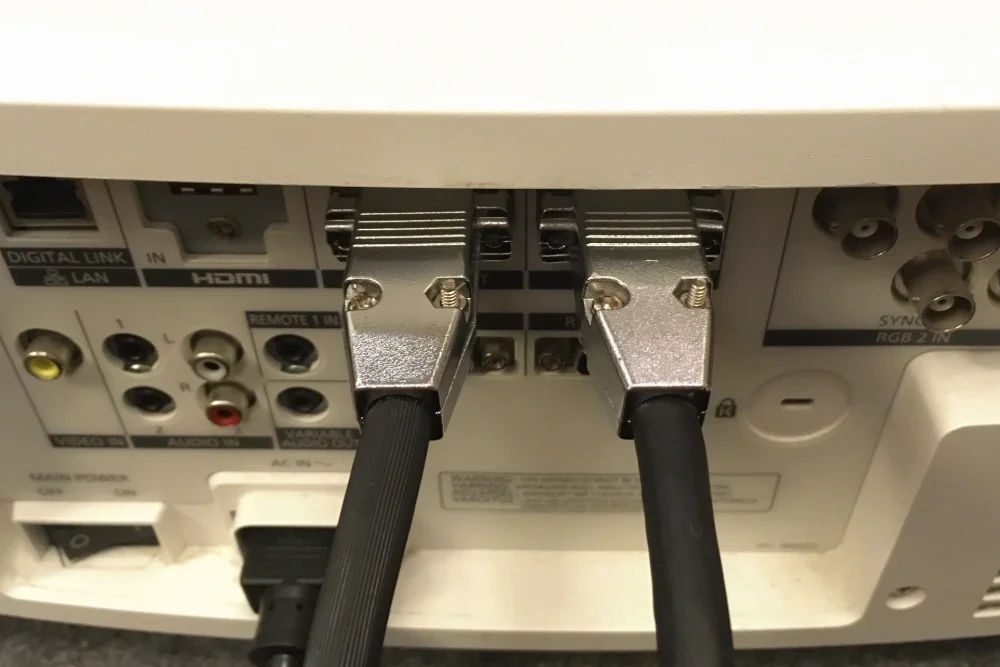
The decision to add transfer switches to an apartment complex is most often driven by the need to provide backup power for critical building systems, by resident expectations for power continuity during outages, or by a broader tenant improvement program that is upgrading building infrastructure to improve resilience and competitive positioning. In all of these situations, the electrical scope for transfer switch installation must be planned and executed correctly to produce an installation that is safe, code-compliant, and provides reliable power transitions when utility service fails.
Critical situations that make professional transfer switch installation essential at apartment complexes include new standby generator installations that require automatic transfer switches to provide seamless backup power activation, buildings adding backup power for common area systems including elevators, emergency lighting, fire alarm panels, and security systems, properties installing generator connections for portable backup power that require manual transfer switches or interlock kits for safe operation, code compliance upgrades where existing backup power systems lack proper transfer equipment that prevents dangerous utility backfeed, and building-wide improvement programs that add backup power capability as an amenity that differentiates the property in the rental market.
The importance of proper transfer switch installation becomes obvious when considering the consequences of improper backup power connections. Without transfer switches, backup generators can backfeed electricity onto utility lines, creating potentially fatal electrocution hazards for utility workers restoring power after outages. Transfer switches provide the mechanical or electronic isolation that prevents this dangerous condition while enabling safe, reliable backup power operation throughout the building.
Understanding Transfer Switch Types and Applications

Transfer switch selection depends on the backup power configuration, the loads being protected, and the level of automation required for the specific apartment complex application. Different transfer switch types provide different capabilities ranging from simple manual switching to fully automatic operation with sophisticated load management features.
Automatic transfer switches detect utility outages and automatically start connected generators, transfer building loads to backup power, sense utility restoration, and return loads to normal utility service without any manual intervention. These switches are essential for standby generator installations where immediate, automatic backup power is required for life safety systems, elevator operation, or continuous building services.
Manual transfer switches require an operator to physically move the switch handle from utility to generator position after connecting and starting a portable generator. These switches are appropriate for portable generator applications where manual operation is acceptable and provide a code-compliant method for connecting backup power without the cost and complexity of automatic systems.
Interlock kits provide a simpler alternative to transfer switches for residential-style panels, using mechanical interlocks that prevent the main breaker and generator breaker from being on simultaneously. While not suitable for all apartment complex applications, interlock kits can provide code-compliant backup power connections for individual units or smaller buildings where full transfer switches are not required.
Our Comprehensive Apartment Complex Transfer Switch Installation Strategy
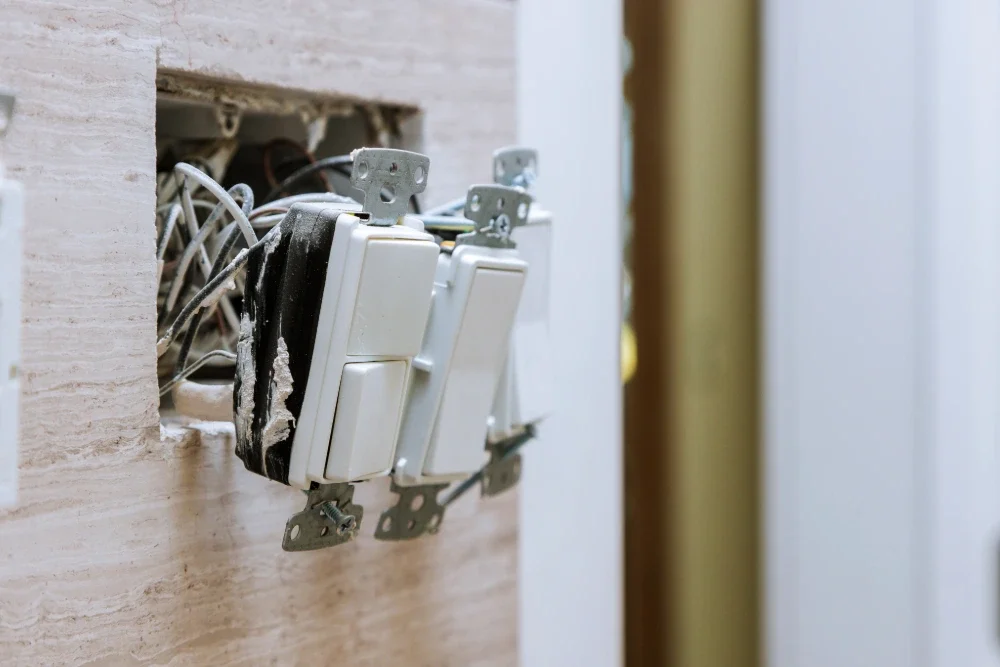
Effective transfer switch installation in apartment complexes requires accurate load analysis, proper equipment sizing, and precise installation that ensures reliable operation when backup power is needed. Our approach begins with a comprehensive review of the building electrical system, backup power requirements, and critical loads that must be protected before any equipment is specified or work begins.
Our pre-installation process for apartment complex transfer switch projects includes assessment of existing electrical service and distribution equipment to determine transfer switch location and integration requirements, identification of critical loads that require backup power including life safety systems, elevators, common area lighting, and building services, review of generator specifications to confirm transfer switch compatibility and proper sizing for the backup power source, load calculations that ensure transfer switch amperage ratings accommodate all protected circuits, and coordination with property management on installation scheduling to minimize disruption to building operations.
Our installation process is built around completing transfer switch installations safely and correctly with proper integration into existing electrical systems. We install transfer switches at appropriate locations within the electrical distribution system, make secure connections to both utility and generator power sources, configure automatic operation settings where applicable, test transfer operation under actual load conditions, and verify proper utility isolation to confirm backfeed protection is functioning correctly.
Throughout the installation we provide only code-compliant electrical work including properly sized transfer switches rated for the connected loads, secure electrical connections using appropriate methods for the conductor sizes, correct utility isolation that prevents dangerous backfeed conditions, installation methods that meet NEC Article 702 requirements for optional standby systems, and complete testing that verifies proper operation before the system is placed in service.
Automatic Transfer Switch Installation for Standby Generators

Automatic transfer switches are essential components of standby generator systems, providing the intelligence and switching capability that enables fully automatic backup power operation without manual intervention. For apartment complexes with standby generators, properly installed automatic transfer switches ensure backup power activates within seconds of utility failure.
Automatic transfer switch functions include continuous utility voltage monitoring that detects outages and voltage anomalies, generator start signal transmission that activates the standby generator when utility power fails, automatic load transfer that switches building circuits from utility to generator power after the generator stabilizes, utility restoration sensing that detects when normal power returns and is stable, automatic retransfer that returns building loads to utility power and signals the generator to shut down, and exercise scheduling that periodically runs the generator to maintain operational readiness.
Automatic transfer switch sizing requires matching the switch amperage rating to the loads being transferred, which may be the entire building service or a subset of critical circuits depending on the backup power system design. We evaluate the specific loads requiring backup power and specify transfer switches that provide adequate capacity with appropriate safety margins.
Manual Transfer Switch Installation for Portable Generator Connections
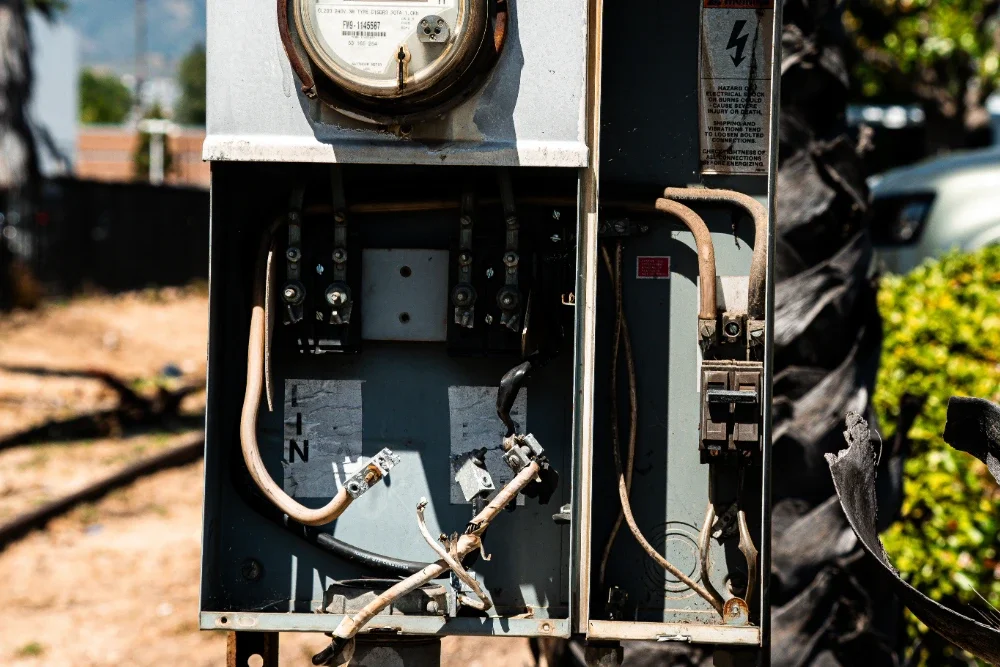
Manual transfer switches provide code-compliant connections for portable generators at apartment complexes, enabling backup power for selected circuits without the cost of automatic transfer equipment. These switches are appropriate for applications where manual operation during outages is acceptable and portable generators provide the backup power source.
Manual transfer switch operation requires connecting the portable generator to the building inlet, starting the generator and allowing it to stabilize, manually moving the transfer switch handle from utility to generator position, and reversing the process when utility power returns. While this requires operator presence during outages, manual transfer switches provide reliable backup power capability at lower cost than automatic systems.
Manual transfer switch installations for apartment complexes typically protect selected critical circuits rather than entire building loads, including common area lighting and receptacles, sump pumps in below-grade areas, refrigeration in common kitchens or amenity spaces, security system power, and communication equipment. We work with property owners to identify priority loads and configure transfer switches that provide meaningful backup capability within the portable generator's capacity.
Transfer Switches for Building Common Areas and Amenities
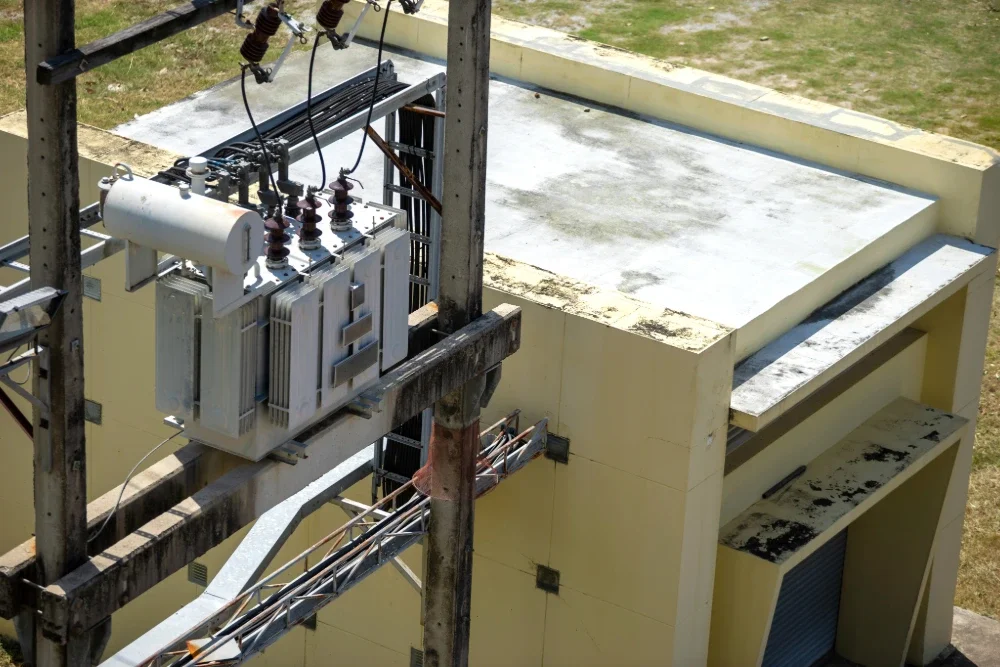
Common area backup power provides significant value for apartment complexes, maintaining lighting, security, and building services during outages that would otherwise leave residents in dark hallways and non-functioning amenity spaces. Transfer switches for common area circuits enable backup power that improves resident safety and satisfaction during utility outages.
Common area loads typically protected by transfer switches include lobby and hallway lighting that maintains safe egress during outages, elevator power that prevents residents from being stranded on upper floors, security system power including cameras, access control, and alarm panels, fire alarm panel power where backup batteries do not provide adequate duration, fitness center and amenity space lighting and equipment, leasing office power that allows continued business operations, and parking structure lighting and gate operators.
Our common area transfer switch installations are designed to protect the specific loads that matter most for each building's operation and resident experience, with proper load calculations that ensure the backup power source can handle the connected circuits without overloading.
Transfer Switches for Life Safety Systems
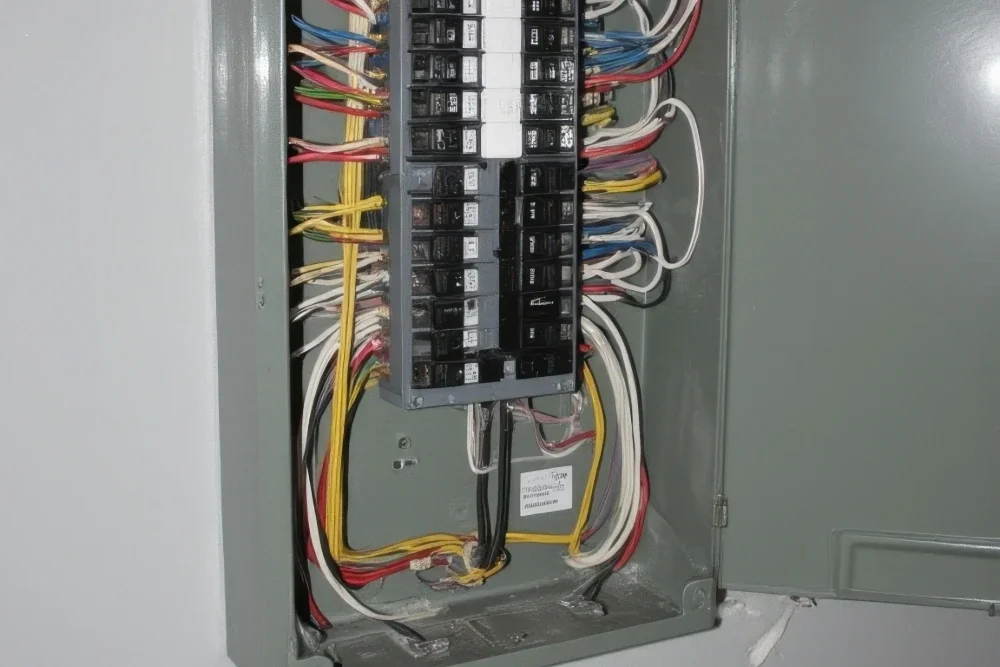
Life safety systems in apartment complexes may require backup power with automatic transfer capability to maintain operation during utility outages. These systems are subject to specific code requirements that dictate backup power duration, transfer timing, and equipment specifications.
Life safety loads that may require transfer switch protection include emergency egress lighting that illuminates exit paths during outages, exit signs that must remain illuminated for safe evacuation, fire alarm systems where battery backup duration is insufficient for expected outage scenarios, fire pump power in buildings with fire suppression systems, and smoke control and pressurization systems required in certain building types.
Transfer switches serving life safety loads must meet NEC Article 700 requirements for emergency systems, which impose stricter requirements than optional standby systems including maximum transfer timing, equipment ratings, and testing procedures. We are experienced with the specific code requirements for life safety transfer switch installations and ensure all work meets the applicable standards for the occupancy type.
Transfer Switch Load Management and Prioritization
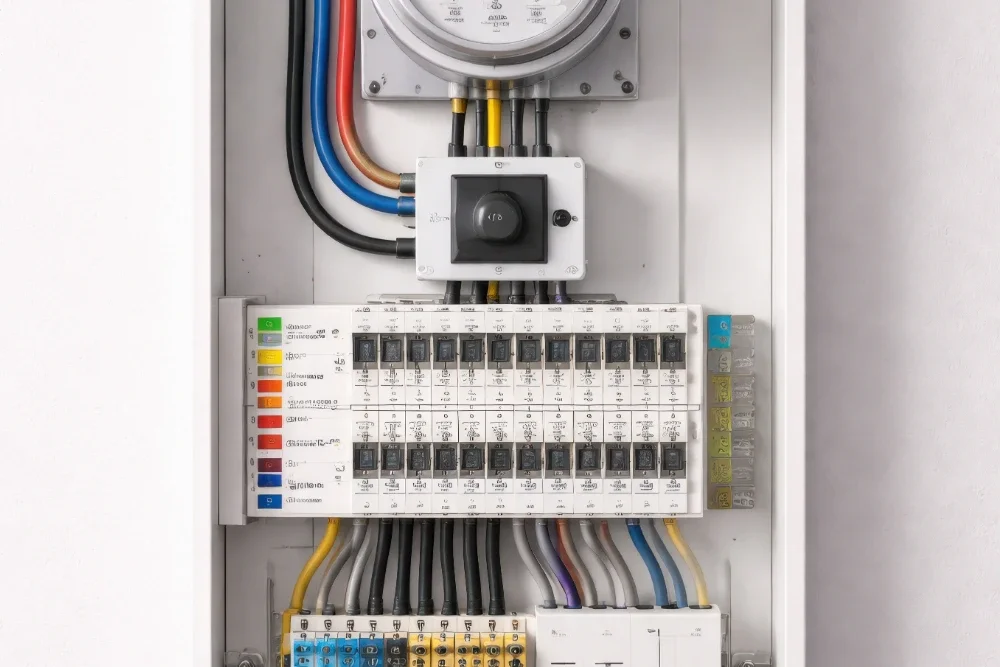
Advanced transfer switches provide load management capabilities that optimize backup power utilization by shedding non-critical loads during high-demand periods and prioritizing power to the most important circuits. These features allow smaller generators to effectively serve larger load requirements by intelligently managing which circuits receive power.
Load management features include load shedding that temporarily disconnects non-essential circuits when generator capacity is approached, load sequencing that staggers the connection of large loads to prevent generator overload during startup, priority circuits that always receive power before lower-priority loads are connected, and demand monitoring that tracks real-time power consumption and adjusts load connections accordingly.
For apartment complexes where generator capacity may not accommodate all desired backup loads simultaneously, transfer switches with load management capabilities provide a cost-effective solution that protects priority circuits while allowing additional loads to receive power when capacity permits.
Transfer Switch Sizing and Load Calculations
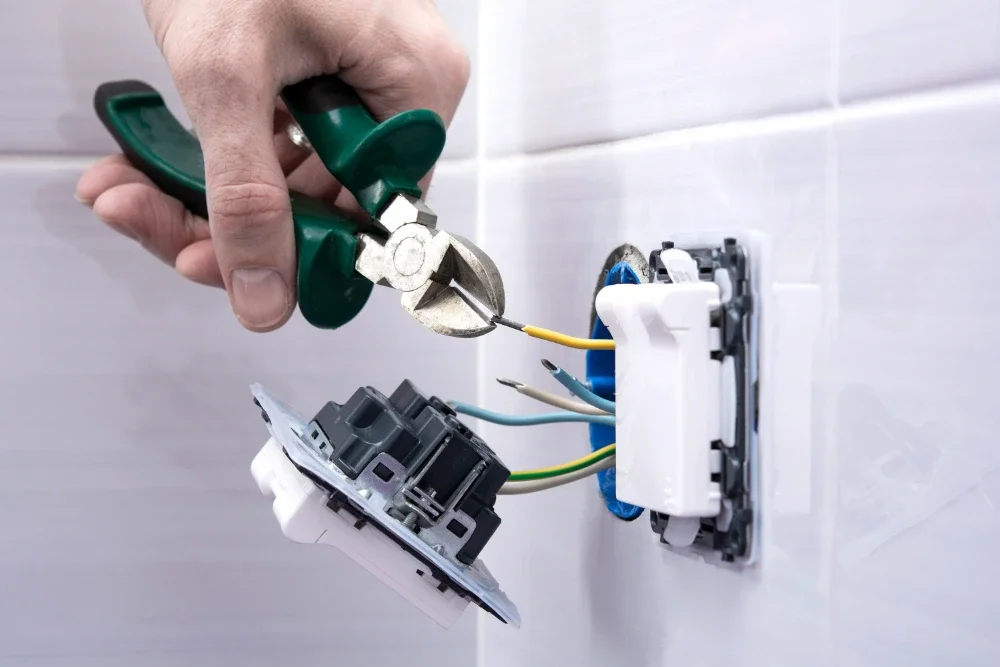
Proper transfer switch sizing requires accurate load calculations that account for all circuits being transferred and ensure the switch amperage rating exceeds the maximum expected demand. Undersized transfer switches create safety hazards and equipment damage, while oversized switches add unnecessary cost without benefit.
Load calculation factors include continuous loads that operate at full capacity for extended periods, intermittent loads that cycle on and off during normal operation, motor starting currents that may exceed running current by several times during startup, demand diversity that accounts for not all loads operating simultaneously, and future expansion that may add loads to the protected circuits.
Our transfer switch sizing process evaluates all loads that will be connected, applies appropriate demand factors, and specifies switches with adequate capacity for both current requirements and reasonable future expansion. We also verify that the connected generator can supply the calculated load to ensure the complete backup power system operates reliably.
Electrical Code Compliance for Transfer Switch Installation
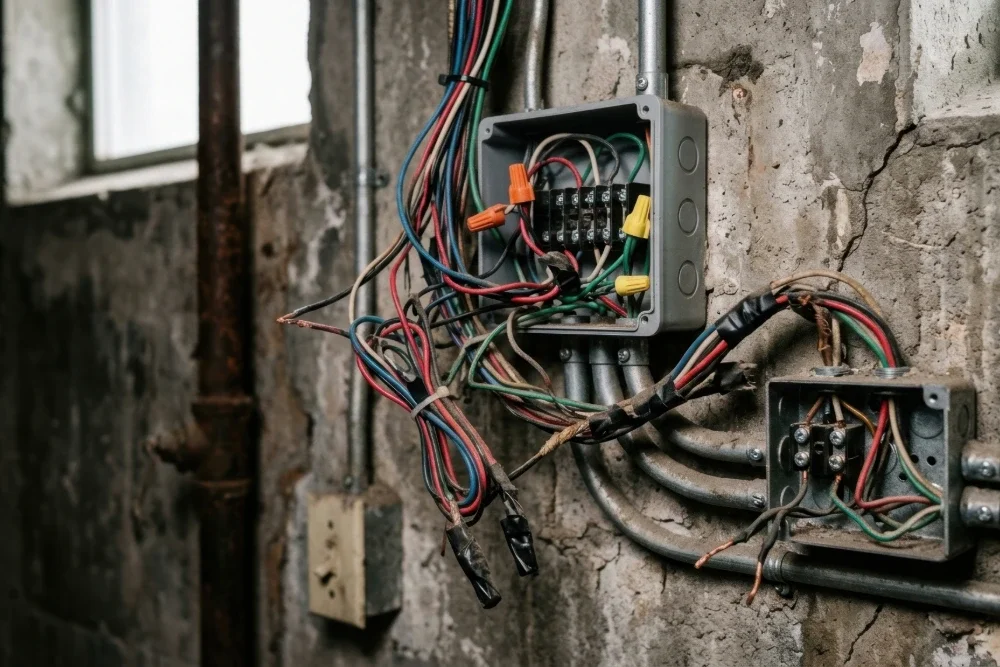
Transfer switch installations at apartment complexes must comply with National Electrical Code requirements, Washington State electrical code, and local jurisdiction amendments that govern backup power systems, transfer equipment, and utility isolation. Code compliance ensures safe operation and prevents the dangerous backfeed conditions that improperly installed backup power systems can create.
Electrical code requirements for transfer switch installation include NEC Article 700 compliance for emergency systems serving life safety loads, NEC Article 701 compliance for legally required standby systems, NEC Article 702 compliance for optional standby systems serving non-required backup loads, proper identification and labeling of all transfer switch components and circuits, utility notification requirements where interconnection affects utility service, and inspection requirements that verify proper installation before systems are energized.
We are experienced with the electrical inspection process across jurisdictions throughout the Seattle metro area and understand what inspectors look for on apartment complex transfer switch installations. Our installation approach is designed to pass inspection without rework, and we maintain documentation that supports the permit process and provides a permanent record for the property file.
Transfer Switch Integration with Building Electrical Systems
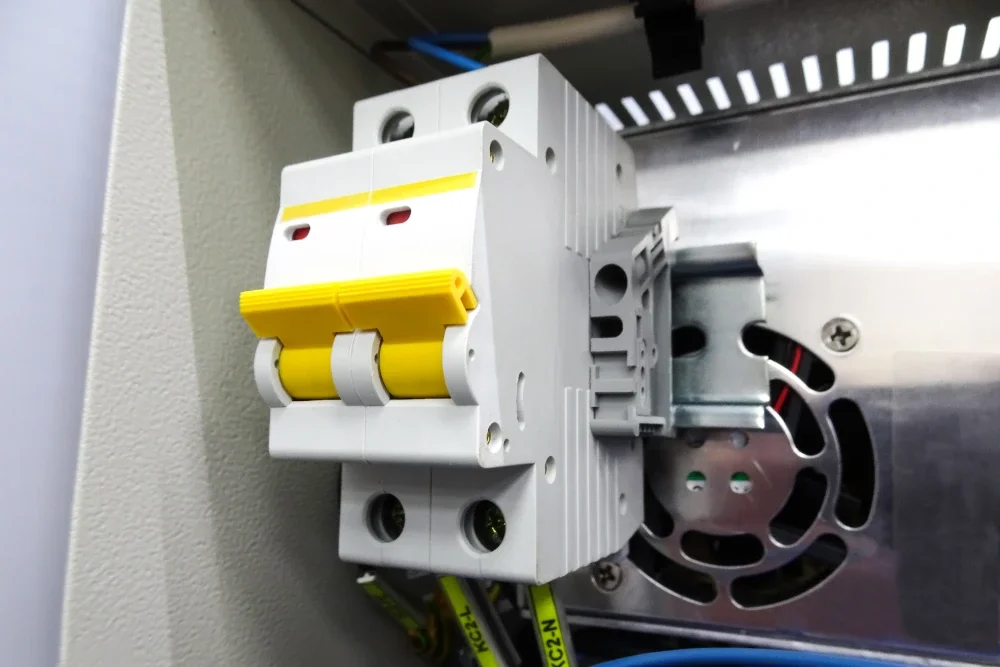
Transfer switches must integrate properly with existing building electrical systems, connecting between the utility service and the loads being protected in a configuration that allows reliable switching between power sources. The specific integration approach depends on building electrical system design and the scope of backup power coverage.
Integration configurations include service entrance transfer switches that switch the entire building load between utility and generator, distribution panel transfer switches that protect selected panels or load centers, critical load panels that consolidate priority circuits for transfer switch protection, and multiple transfer switch arrangements that provide different levels of backup for different building areas.
Our integration approach evaluates the existing electrical system configuration and develops transfer switch installations that provide the required backup coverage while minimizing disruption to existing wiring and equipment. Where existing panels lack capacity for transfer switch connections, we recommend appropriate modifications or panel upgrades that enable proper integration.
Transfer Switch Testing and Commissioning
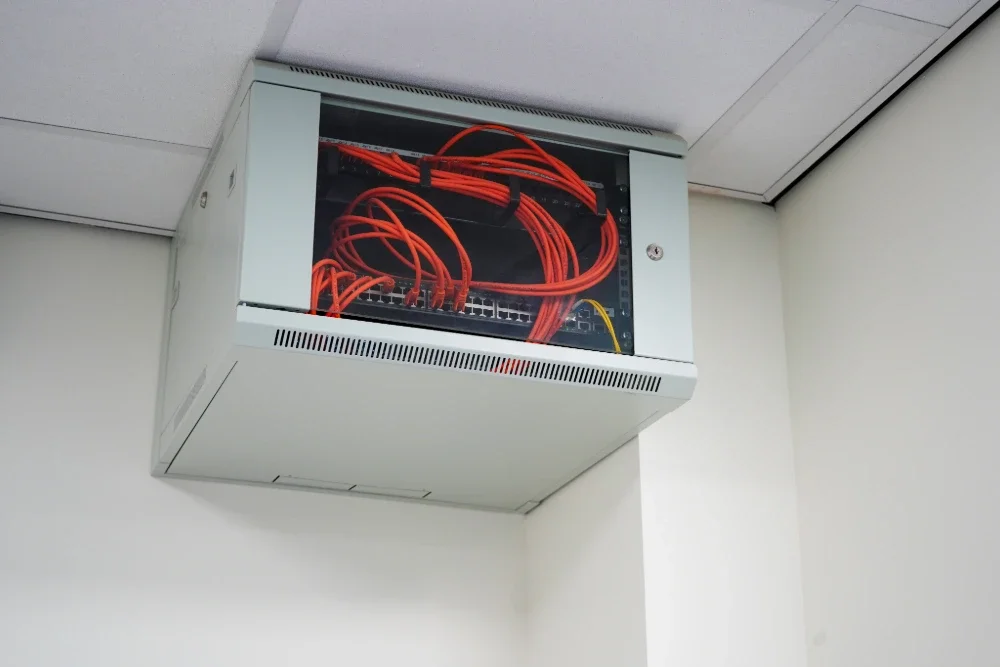
Proper transfer switch commissioning requires comprehensive testing that verifies all functions operate correctly before the system is relied upon for backup power. Testing must confirm both automatic operation and manual override capabilities, utility isolation, and proper load transfer under realistic conditions.
Testing procedures include utility failure simulation that verifies automatic transfer switches detect outages and initiate generator start sequences, transfer timing verification that confirms loads transfer within specified time requirements, load testing that verifies all protected circuits receive power after transfer, utility restoration testing that confirms automatic retransfer to utility power operates correctly, manual operation testing that verifies override capabilities function for maintenance or emergency use, and utility isolation verification that confirms generator power cannot backfeed to utility lines.
We perform comprehensive testing and commissioning on all transfer switch installations, documenting test results and providing property owners with verification that their backup power systems will operate reliably when needed.
Transfer Switch Maintenance and Service
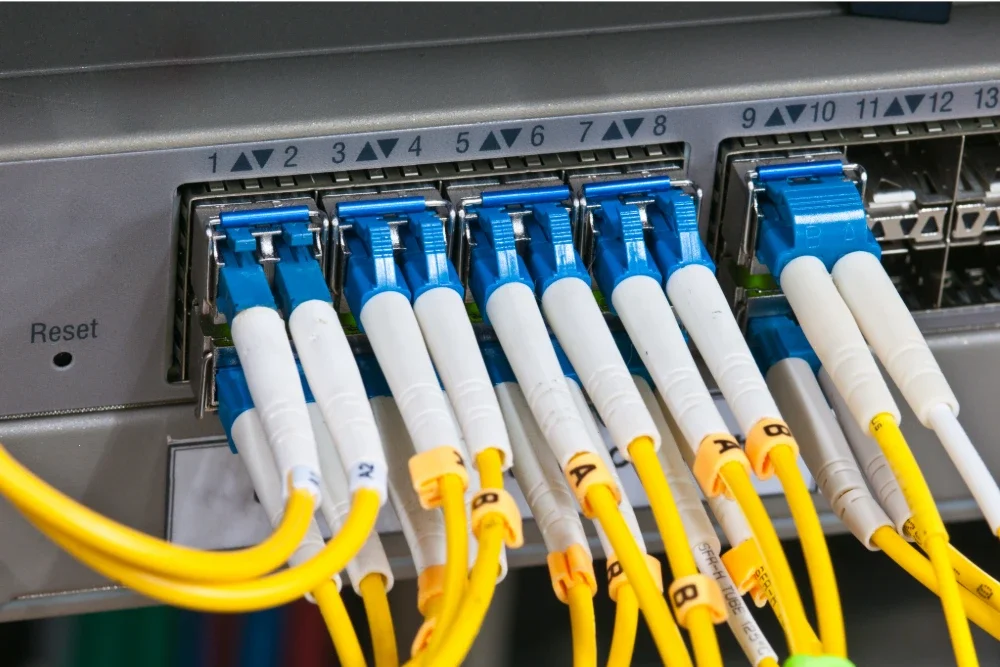
Transfer switches require periodic maintenance and testing to ensure reliable operation when backup power is needed. Neglected transfer switches may fail to operate during actual outages, leaving buildings without the backup power capability owners expect from their investment.
Maintenance requirements include periodic transfer testing that exercises the switch mechanism and verifies proper operation, contact inspection that identifies wear or damage affecting switching reliability, control system testing that verifies automatic functions operate correctly, connection inspection that identifies loose or corroded terminals affecting performance, and coordination with generator maintenance to ensure the complete backup power system remains operational.
We provide transfer switch maintenance services that keep backup power systems ready for operation, including scheduled testing, inspection, and any repairs required to maintain reliable performance throughout the equipment life.
Planning Your Apartment Complex Transfer Switch Installation Scope
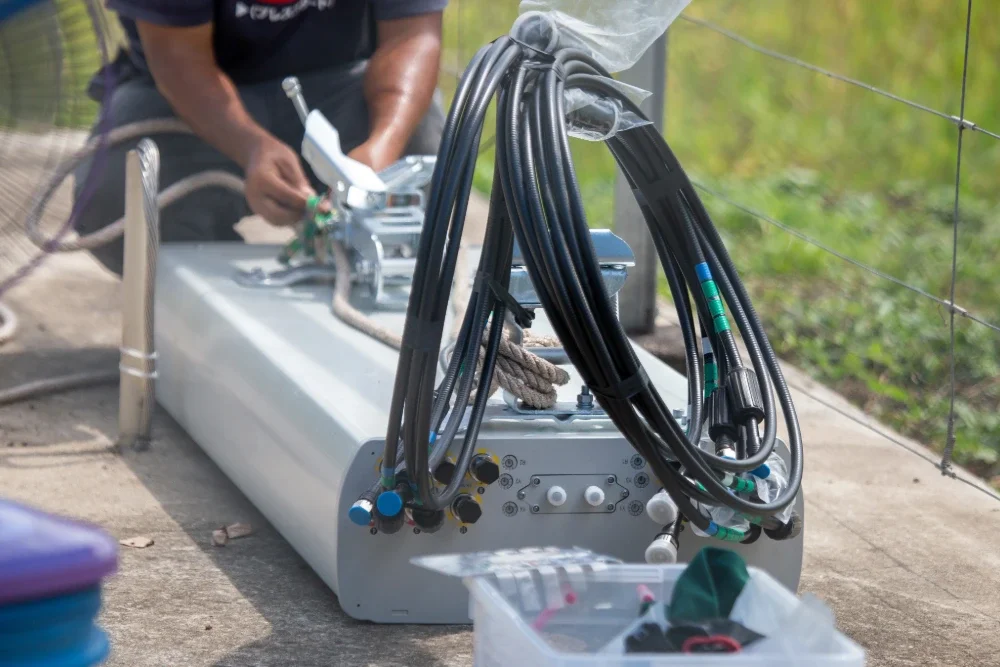
Successful transfer switch installation at an apartment complex begins with accurate scope definition that accounts for the backup power source, protected loads, building electrical system configuration, and code requirements that apply to the specific installation. Our planning process gives apartment complex owners and property managers a clear picture of the full installation scope, accurate project pricing, and a realistic approach before work begins.
We work with apartment complex owners, property managers, and general contractors to develop transfer switch installation scopes that meet code requirements, provide reliable backup power switching, and are executed with minimal disruption to building operations. Whether the project involves adding a single transfer switch for common area backup or implementing comprehensive backup power systems throughout a large apartment complex, we provide the expertise and coordination that ensures the work is completed correctly and completely.
Areas We Serve
Service Areas
If you need electrical services or an electrician in Seattle, WA, or any of the locations listed, do not hesitate to give us a call today! Schedule an appointment and we will head to your city to diagnose your electrical needs.
King County
Seattle, WA

Bellevue, WA
Kirkland, WA
Mercer Island, WA
Kent, WA
Federal Way, WA
Burien, WA
Des Moines, WA
Tukwila, WA
Woodinville, WA
Redmond, WA
Cottage Lake, WA
Shoreline, WA
Renton, WA
Fairwood, WA
White Center, WA
SeaTac, WA
South Center, WA
Snohomish County
Bothell, WA
Everett, WA
Snohomish, WA
Edmonds, WA
Marysville, WA
Pierce County
Tacoma, WA
Puyallup, WA
Edgewood, WA
Auburn, WA
Sumner, WA
Fife, WA
Dash Point, WA
Monday Through Saturday:
6:00am to 6:00pm
Sunday:
6:00am to 12:00pm
Hours of Operation
Location
Schedule Your Apartment Complex Transfer Switch Installation Consultation
Don't leave your apartment complex vulnerable to extended outages when proper transfer switch installation can provide safe, reliable backup power for building systems, common areas, and resident amenities. Trust JCS Electrical's expertise in apartment complex tenant improvement electrical work to plan and install your transfer switches with the code compliance, proper sizing, and installation quality that apartment complex owners and property managers throughout Western Washington rely on.
📞 Call Anytime at (425) 552-1502 📧 Email team@jcselectricalseattle.com
Service Hours: Monday – Saturday: 6:00 AM to 6:00 PM Sunday: 6:00 AM to 12:00 PM
Serving: Seattle, WA | Everett, WA Kirkland, WA | Marysville, WA Redmond, WA | Shoreline, WA Edmonds, WA | Bellevue, WA Bothell, WA | Snohomish, WA Mercer Island, WA | Woodinville, WA Cottage Lake, WA
Whether you are an apartment complex owner adding backup power capability to protect building systems and retain residents during extended outages, a property manager upgrading emergency power infrastructure as part of a building-wide improvement program, or a general contractor handling electrical scope on an apartment complex tenant improvement that includes transfer switch installation, JCS Electrical delivers the electrical expertise and project coordination that ensures your transfer switches are installed safely, pass inspection, and provide reliable backup power switching when your building needs it most. Contact us today and discover why apartment complex owners and property managers throughout Snohomish and King Counties trust us for tenant improvement electrical work.
Our Customer Reviews
EXCELLENT
⭐⭐⭐⭐⭐
Based on 20 Reviews on Google
-
![Amy O'Neil review for JCS Electrical from Google]()
Amy O'Neill
⭐⭐⭐⭐⭐
We hired JCS Electrical to install a whole home generator after losing power for a week following the last bomb cyclone. Justin provided a comprehensive report with generator options based on our needs. He was very communicative and professional throughout the entire process and handled all the necessary permits and contractors. I would highly recommend JCS Electrical and plan to hire them again!
-
![Lisa Johnson review for JCS Electrical from Google]()
Lisa Johnson
⭐⭐⭐⭐⭐
Justin and Richard did a great job, on time, professional and friendly, pulled two lines from garage through to kitchen area, in a tri-level house it was a bit of a challenge. I really give them 10🌟
-
![Nicholas Johnson review for JCS Electrical from Google]()
Nicholas Johnson
⭐⭐⭐⭐⭐
Had and excellent experience with Justin and his crew. Top self work installing backup system and outdoor heater!
-
![Corinne White Review on Google for JCS Electrical]()
Corinne White
⭐⭐⭐⭐⭐
Fast, efficient, dependable, and very helpful. I called on Sears originally, but after my appointment was delayed multiple times throughout the day, I received a text telling me my appointment was cancelled for the day and rescheduled for four days later (and the diagnostic fee was twice what Justin charged!!!). I canceled them, scheduled Justin, who came one day later, at the scheduled time, and showed up on time again the day after we received the part! We highly recommend JCS Construction!!




FAQs
-
Absolutely, JCS Electrical is a fully licensed electrician near me and insured for all electrical services, ensuring your property and our team are protected. Operating in Servicing Greater Seattle, King, Snohomish and Pierce Counties, we comply with local regulations and uphold the highest standards of professionalism. Our reputation for reliable electrical contractor services speaks for itself. Call us to verify our credentials or book a free consultation.
-
If the project calls for permits and inspections, then we will ensure compliance with local building codes. We can handle permits and arrange for inspections, as required by law.
-
We adhere to the safety standards of the National Electrical Code and use proper equipment to prevent hazards like electrical fires or shocks.
-
Absolutely. We will be more than happy to assist in an urgent situation where a repair is necessary or provide post-project support when it is deemed fit. Our availability for emergencies is around the clock so please let us know if you are experiencing one.
Our electricians provide rapid response for urgent electrical issues, such as power outages or unsafe wiring, in Servicing Greater Seattle, King, Snohomish and Pierce Counties. Our licensed electricians ensure quick, safe solutions. Call us for emergency electrical service.
-
JCS Electrical, a leading electrician near me, provides top-quality electrical services for residential and commercial clients in Greater Seattle, Pierce, King and Snohomish Counties. Our services include home standby backup generator installations, EV charger installations, generator plug-in/interlock kits, main panel and subpanel installations, residential electrical wiring, electrical repairs, hot tub electrical installation, home automation (IoT), HVAC wiring, and specialty installations like heated floors, bathroom fans, and timer switches. We also offer outdoor electrical services such as landscape lighting, outdoor outlet installation, gate motors, and pool pump wiring, plus kitchen, bathroom, dining room, living room, and bedroom electrical upgrades. Our licensed electricians ensure reliable, code-compliant solutions. Call us for a free quote to start your project.
-
A transfer switch is an electrical device that safely switches power supply between the main utility source and a backup power source (such as a generator) during an outage.
-
During tenant improvements, electrical loads often change. A transfer switch ensures:
Reliable backup power
Safe transition between power sources
Protection of electrical systems and appliances
Compliance with safety standards
-
Common types include:
Manual Transfer Switches – Require physical switching
Automatic Transfer Switches (ATS) – Switch automatically during outages
Service Entrance Transfer Switches – Integrated with the main service panel
-
You may need one if:
You have or plan to install a backup generator
Tenants require uninterrupted power (e.g., elevators, security systems)
You are upgrading electrical systems during renovations
Local codes require emergency power systems
-
Manual: Lower cost, requires human intervention
Automatic (ATS): Detects outages and switches instantly without manual action
Automatic switches are typically preferred for apartment complexes.