
Get Professional Backup Generator Outlet Installation
in Seattle, Everett, Kirkland, Marysville, Redmond,
Edmonds, Bellevue, Snohomish, Shoreline,
Bothell, Mercer Island, Woodinville or Cottage Lake
Ready for a licensed electrician to help you with professional backup
generator outlet installation and backup power receptacle services in
Seattle, Everett, Kirkland, Marysville, Redmond, Edmonds,
Bellevue , Snohomish, Shoreline, Bothell, Mercer Island, Woodinville or Cottage Lake?
Call us at (425)552-1502 or fill out the form below so we can schedule your appointment.
Schedule Appointment
Expert Backup Generator Outlet Installation for Safe, Convenient Backup Power Connections Throughout Western Washington

Improper backup generator outlet installations represent a significant safety hazard that many homeowners unknowingly create when attempting DIY solutions, with the potential to cause electrical fires from undersized wiring, equipment damage from incorrect voltage configurations, dangerous shock hazards from improper grounding, and failed backup power systems when backup generator outlets cannot handle required electrical loads. Whether you're installing a dedicated 240-volt backup generator outlet for high-capacity portable backup generators, adding a 30-amp RV-style outlet for dual-purpose backup generator and recreational vehicle use, upgrading from inadequate 120-volt outlets that limit backup generator effectiveness, or creating outdoor backup generator connection points that enable safe backup operation during storms, JCS Electrical delivers the comprehensive electrical expertise that has earned us five-star Google reviews and the trust of more than 100 property owners throughout Snohomish and King Counties.
Call (425) 552-1502 for professional Backup Generator Outlet anywhere in our service area.
When Your Property Needs Professional Backup Generator Outlet Installation
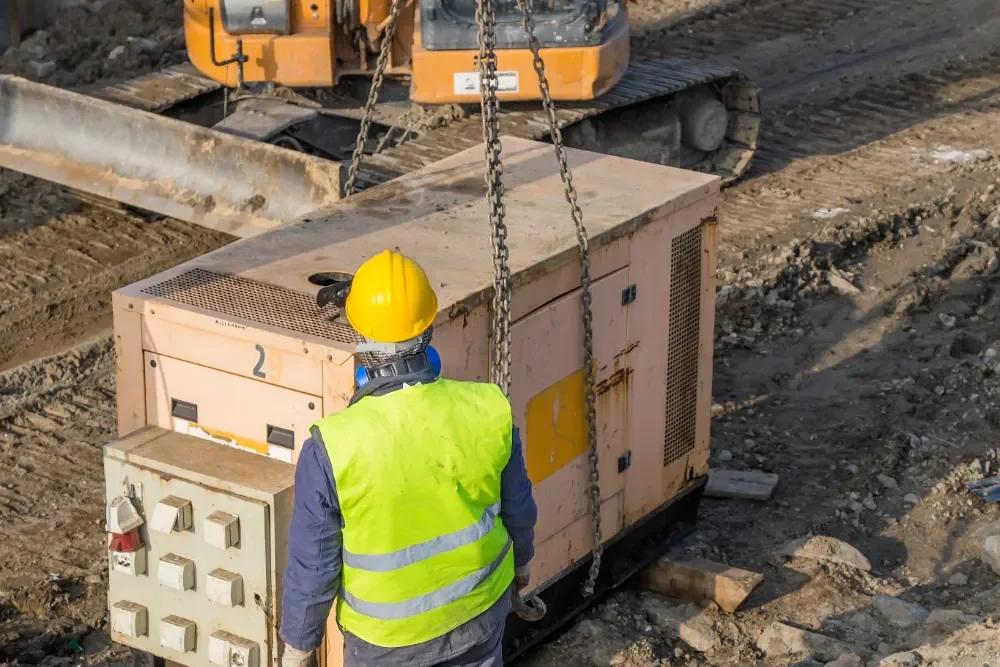
Identifying the need for professional backup generator outlet installation often becomes apparent when purchasing a new portable backup generator or discovering that existing electrical infrastructure cannot support backup power equipment, but there are clear indicators that suggest your property would benefit significantly from dedicated backup generator receptacles before emergency situations arise. Existing outlets in many homes lack adequate capacity for backup generator connections, especially properties without dedicated high-amperage circuits that make professional assessment and backup generator outlet installation essential for safe backup generator operation.
Critical electrical needs make professional backup generator outlet installation essential including new portable backup generator purchases that require properly rated outlets matching backup generator plug configurations, existing backup generators that cannot be effectively utilized due to lack of appropriate connection points, outdoor backup power needs that require weatherproof receptacles for safe backup generator operation during inclement weather, and workshop or garage applications that demand dedicated high-amperage outlets for backup generator-powered equipment operation.
The safety impact of improper backup generator outlets becomes obvious when considering potential risks including electrical fires from undersized wiring that overheats when carrying backup generator loads beyond rated capacity, equipment damage from voltage mismatches when backup generators connect to improperly configured outlets, shock hazards from inadequate grounding or improper backup generator outlet installation that creates dangerous fault conditions, and code violations when backup generator outlet installations don't meet National Electrical Code requirements for receptacle ratings and circuit protection.
Many property owners assume standard household outlets can accommodate backup generator connections, but portable backup generators require specific electrical infrastructure including dedicated circuits with properly rated wiring that handles backup generator output capacity safely, appropriately configured receptacles that match backup generator plug types and voltage requirements, proper grounding that ensures safe backup generator operation and effective fault protection, and while standard outlets may seem adequate, backup generators cannot operate safely or effectively without proper backup generator outlet installations and code-compliant wiring methods.
Understanding Backup Generator Outlet Types and Configurations

Modern backup generator outlet systems encompass various receptacle types designed for different backup generator sizes, voltage configurations, and application requirements. These professionally installed backup generator outlets connect to dedicated circuits and operate with proper protection that provides safe, reliable power connections for portable backup generators throughout your property.
Standard household outlets create capacity and compatibility limitations but may seem adequate during initial planning, have insufficient amperage ratings that prevent safe connection of most portable backup generators, lack proper configurations that match backup generator plug types requiring adapters that compromise safety, and cannot support high-wattage backup generator output that requires dedicated high-amperage circuits and appropriately rated receptacles.
Backup generator outlet requirements depend on your specific backup generator specifications and intended use including NEMA L14-30 outlets that accommodate 30-amp 240-volt backup generators with four-prong twist-lock connections, NEMA 14-50 outlets that support 50-amp 240-volt backup generators commonly used for higher-capacity backup power, NEMA TT-30 outlets that provide 30-amp 120-volt connections compatible with RV-style backup generator plugs, and NEMA L5-30 outlets that offer 30-amp 120-volt twist-lock connections for medium-capacity portable backup generators.
Our Comprehensive Backup Generator Outlet Installation Strategy
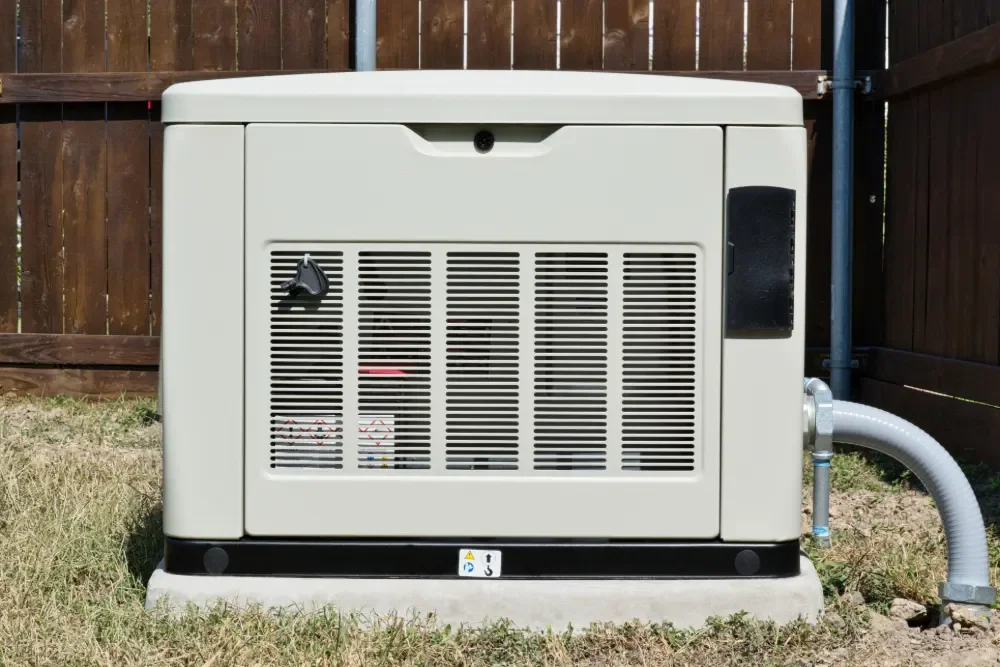
Effective backup generator outlet installation requires detailed load analysis and precise component selection that ensures safe, reliable operation throughout your backup power system. Our approach begins with comprehensive electrical assessment including review of backup generator specifications and plug configurations from manufacturer documentation, evaluation of existing electrical panel capacity and available circuit slots for dedicated backup generator circuits, assessment of optimal outlet locations considering backup generator placement, cord routing, and weather protection, and development of electrical solutions that provide reliable backup generator connections within safety standards and NEC Article 406 requirements.
The backup generator outlet installation process involves implementing properly rated circuits that safely supply power from backup generators through dedicated receptacles, while installing appropriate circuit breakers, grounding connections, and weatherproof enclosures through code-compliant methods that ensure safe backup operation and provide consistent backup generator function without creating electrical hazards or equipment damage.
We install only high-quality electrical components throughout the backup generator outlet installation process including industrial-grade receptacles that provide durable, reliable connections for repeated backup generator use, properly rated circuit breakers that protect wiring from overload conditions and short circuits, correct wire sizing that handles backup generator output current without voltage drop or overheating issues, and weatherproof enclosures that protect outdoor backup generator outlets from moisture, debris, and environmental damage.
We understand that backup generator electrical systems involve specific requirements and technical considerations that many property owners find confusing, so we provide clear explanations of how backup generator outlet installations support backup generator operation to provide safe, efficient backup power throughout your property.
240-Volt Backup Generator Outlet Installation
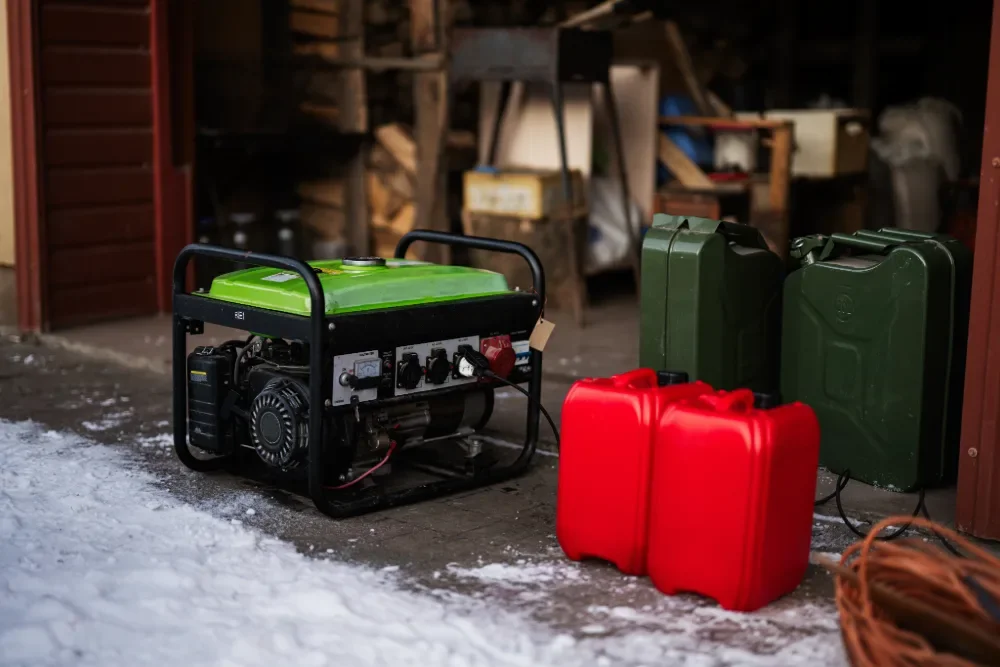
240-volt backup generator outlets provide the most effective connection method for larger portable backup generators, enabling full utilization of backup generator capacity through proper voltage configuration that supports both 120-volt and 240-volt loads. These high-capacity backup generator outlet installations maximize backup generator effectiveness for comprehensive backup power applications.
240-volt backup generator outlet benefits include full backup generator capacity utilization that enables powering larger loads like well pumps, central air handlers, and electric ranges, balanced power distribution that reduces voltage drop and improves backup generator efficiency during operation, compatibility with backup generator interlock systems that enable whole-house backup power through panel connections, and versatile power availability that provides both 120-volt and 240-volt output from single backup generator connections.
Professional backup generator outlet installation ensures these systems operate effectively including proper two-pole breaker installation that provides correct 240-volt circuit configuration and protection, adequate wire sizing that handles full backup generator output without overheating or voltage drop issues, appropriate NEMA receptacle selection that matches backup generator plug configuration for secure connections, and code-compliant installation that passes electrical inspection and ensures safe backup operation for years of reliable use.
240-volt backup generator outlet installations provide particular value for properties with specific needs like larger portable backup generators exceeding 5,000 watts that require 240-volt connections for full capacity utilization, homes with 240-volt essential loads like well pumps that require matching voltage for backup operation, workshop applications that demand 240-volt power for equipment operation during utility outages, and backup generator interlock preparations that require 240-volt outlets for panel connection configurations.
30-Amp Backup Generator Outlet Installation
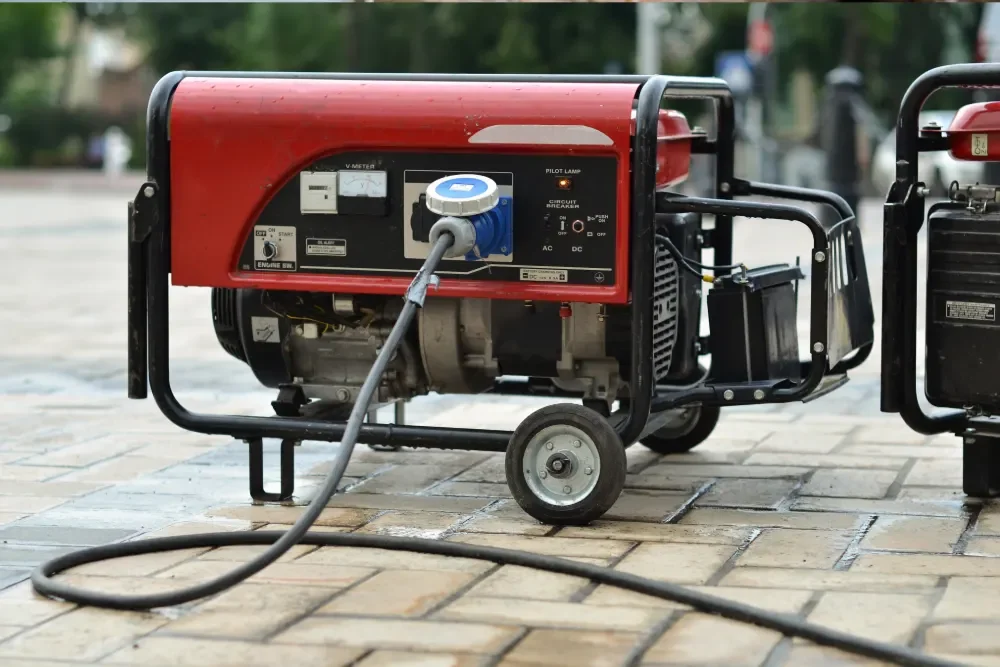
30-amp backup generator outlets represent the most common configuration for residential portable backup generators, providing adequate capacity for mid-size backup generators while maintaining compatibility with widely available backup generator plug types. These versatile backup generator outlet installations support most homeowner backup power requirements.
30-amp backup generator outlet configurations include NEMA L14-30 receptacles that provide 240-volt 30-amp connections with four-prong twist-lock design for secure backup generator hookup, NEMA TT-30 receptacles that offer 120-volt 30-amp connections compatible with RV-style backup generators and travel trailer applications, NEMA L5-30 receptacles that provide 120-volt 30-amp twist-lock connections for dedicated single-voltage backup generator use, and specialty configurations that accommodate specific backup generator models or dual-purpose applications requiring particular receptacle types.
Installation requirements for 30-amp backup generator outlets include assessment of backup generator plug type and voltage requirements for proper receptacle selection, evaluation of circuit routing and wire run distances for appropriate wire sizing calculations, installation of dedicated 30-amp circuits with proper overcurrent protection and grounding, and coordination with intended use including indoor, outdoor, or dual-location backup generator outlet placement.
30-amp backup generator outlet installations provide benefits including compatibility with most mid-size portable backup generators in the 3,000 to 7,500 watt range, cost-effective installation that provides adequate capacity without oversizing electrical infrastructure, dual-purpose potential for backup generators and RV connections using TT-30 configurations, and widespread availability of replacement receptacles and compatible backup generator equipment.
50-Amp Backup Generator Outlet Installation
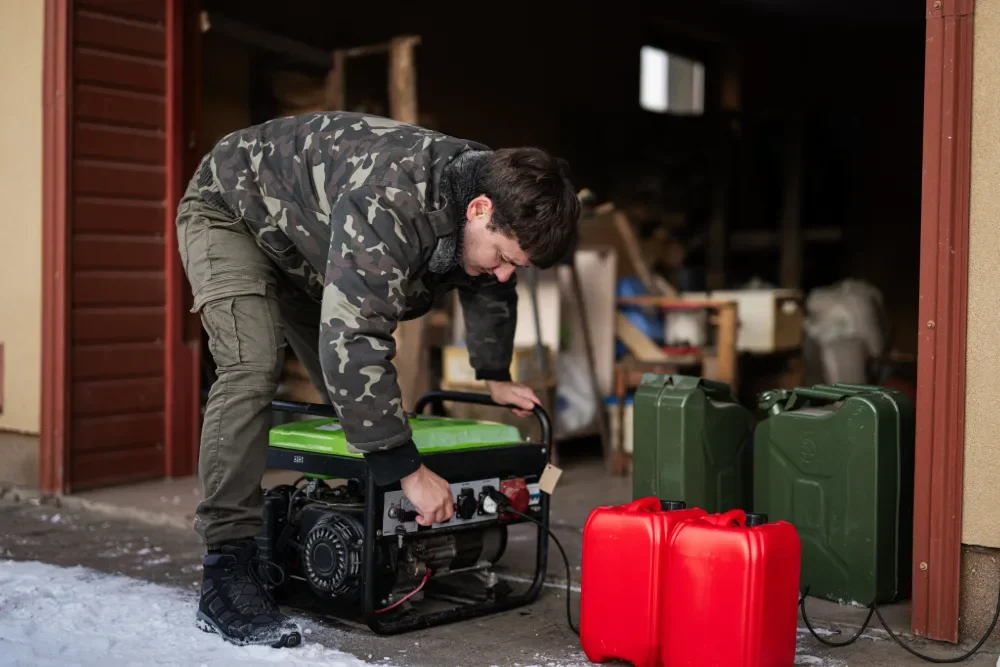
50-amp backup generator outlets provide maximum capacity for large portable backup generators and dual-purpose applications requiring high-amperage connections. These heavy-duty backup generator outlet installations support the most demanding backup power requirements and enable comprehensive backup generator utilization.
50-amp backup generator outlet benefits include maximum power transfer capacity that supports backup generators exceeding 10,000 watts output, compatibility with large RV connections using NEMA 14-50 receptacles for dual-purpose installations, adequate capacity for whole-house backup power applications through backup generator interlock systems, and future-proof infrastructure that accommodates potential backup generator upgrades to higher-capacity units.
Professional backup generator outlet installation ensures these high-capacity systems operate safely including heavy-gauge wiring installation that handles 50-amp loads without overheating or voltage drop, proper two-pole 50-amp breaker installation with appropriate interrupting capacity, industrial-grade receptacles designed for repeated high-amperage connections and disconnections, and code-compliant installation that addresses increased safety requirements for high-capacity circuits.
50-amp backup generator outlet installations provide particular value for properties with specific needs like large portable backup generators requiring maximum power transfer for full capacity operation, RV owners seeking dual-purpose outlets for both backup generator and recreational vehicle connections, properties with substantial backup power requirements including multiple large appliances and HVAC systems, and commercial or agricultural applications demanding high-capacity backup generator connections for equipment operation.
Outdoor Backup Generator Outlet Installation and Weatherproofing
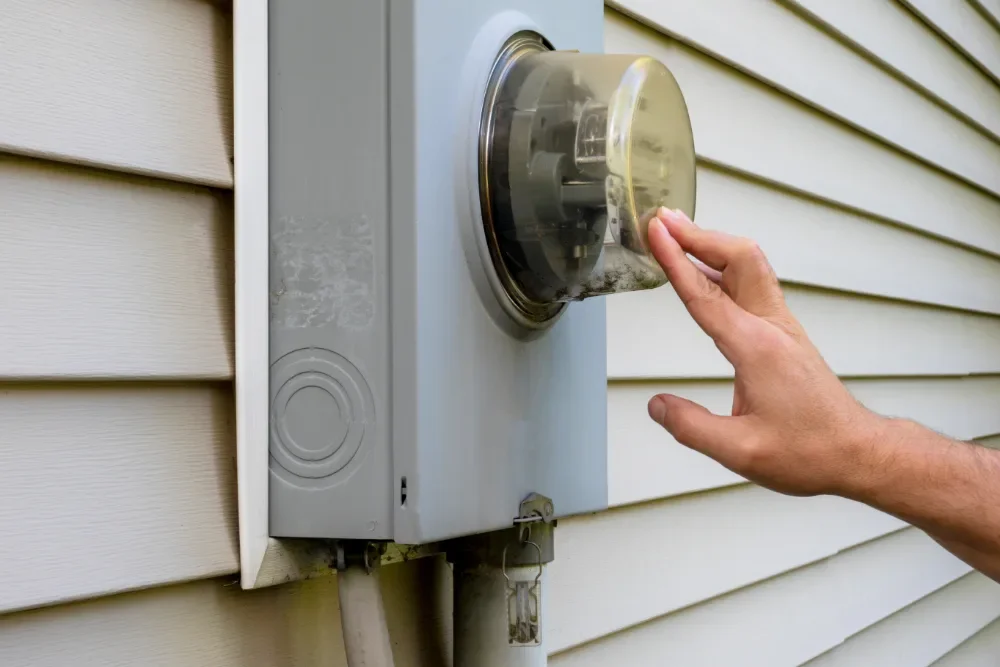
Outdoor backup generator outlet installations require specialized weatherproofing and proper enclosure selection that protects electrical connections from rain, snow, and moisture while enabling safe backup generator operation during storms when backup power is most needed. These exterior backup generator outlet installations demand professional expertise to ensure safety and code compliance.
Weatherproof backup generator outlet features include in-use covers that protect connections while backup generator cords are plugged in during operation, NEMA-rated enclosures that provide appropriate protection levels for specific environmental conditions, corrosion-resistant materials that withstand Pacific Northwest weather conditions over extended service life, and proper mounting methods that prevent water infiltration and ensure long-term reliability.
Installation requirements for outdoor backup generator outlets include assessment of optimal mounting locations considering backup generator placement and cord routing convenience, evaluation of environmental exposure levels for appropriate weatherproof rating selection, installation of proper drainage and sealing methods that prevent moisture accumulation in electrical boxes, and compliance with NEC requirements for wet location receptacles and GFCI protection where required.
Outdoor backup generator outlet installations provide benefits including convenient backup generator positioning without running cords through windows or doors, safe backup operation during storms when backup generators must remain outdoors for ventilation, protected connections that remain functional despite rain, snow, and moisture exposure, and professional appearance that maintains property aesthetics while providing essential backup power infrastructure.
Garage and Workshop Backup Generator Outlet Installation

Garage and workshop backup generator outlet installations provide convenient indoor connection points that enable backup generator use for both backup power applications and powered equipment operation. These versatile backup generator outlet installations support multiple uses while maintaining proper safety measures for enclosed spaces.
Garage backup generator outlet benefits include protected backup generator storage and connection locations that shelter equipment from weather, convenient workshop power availability that enables backup generator-powered tool operation during outages, dual-purpose functionality that supports both emergency backup and recreational equipment charging, and secure installation locations that reduce theft risk for valuable backup generator equipment.
Installation considerations for garage backup generator outlets include proper height placement that enables convenient connection while protecting outlets from vehicle damage, adequate ventilation awareness reminding users that backup generators must operate outdoors despite indoor outlet locations, appropriate outlet ratings that match both backup generator capacity and potential workshop equipment demands, and integration with existing garage electrical systems including lighting, door openers, and tool circuits.
Workshop backup generator outlet installations provide particular value for properties with specific needs like hobbyists requiring backup power for project continuity during utility outages, home-based businesses needing reliable power for equipment and computer systems, properties with detached workshops requiring dedicated backup generator connections separate from house systems, and woodworking or metalworking shops demanding high-amperage outlets for heavy equipment operation.
NEMA Receptacle Types and Backup Generator Plug Compatibility

Understanding NEMA receptacle configurations ensures proper backup generator outlet selection that matches your backup generator's plug type for safe, secure connections. Different NEMA configurations provide specific voltage, amperage, and grounding arrangements that must match backup generator specifications.
Common backup generator NEMA configurations include NEMA L14-30 providing 240-volt 30-amp four-wire connections with twist-lock design for most mid-size backup generators, NEMA 14-50 providing 240-volt 50-amp four-wire connections commonly used for large backup generators and RV applications, NEMA L5-30 providing 120-volt 30-amp three-wire twist-lock connections for dedicated single-voltage backup generators, NEMA TT-30 providing 120-volt 30-amp three-wire connections compatible with RV-style backup generator plugs, and NEMA 5-20 providing 120-volt 20-amp standard connections for smaller portable backup generators and specific equipment applications.
Backup generator receptacle selection considerations include backup generator plug type verification that ensures outlet compatibility without requiring adapters, voltage and amperage matching that provides proper electrical ratings for safe backup generator operation, twist-lock versus straight blade preferences based on connection security requirements, and future compatibility planning that considers potential backup generator upgrades or replacement equipment.
Our NEMA configuration expertise ensures proper backup generator receptacle selection that matches your backup generator specifications while providing safe, secure connections and code-compliant installations.
Electrical Load Analysis for Backup Generator Outlet Sizing
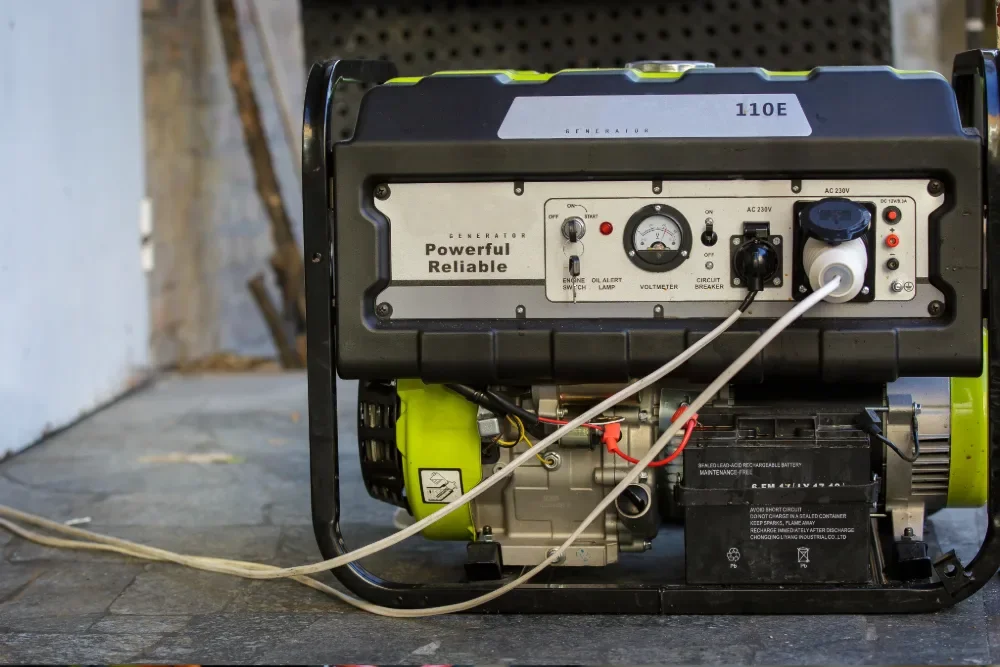
Proper backup generator outlet sizing requires detailed electrical load analysis that ensures adequate capacity for your backup generator's output while providing appropriate circuit protection. Our load analysis process ensures optimal backup generator outlet selection for your specific requirements.
Load analysis considerations include backup generator output capacity evaluation that determines maximum amperage and voltage requirements, intended use assessment that identifies all equipment and appliances requiring backup generator power, simultaneous load calculations that ensure backup generator outlet capacity handles combined electrical demands, and future expansion planning that accommodates potential backup generator upgrades or additional equipment.
Critical sizing factors include backup generator running watts and surge watts ratings that determine continuous and peak amperage requirements, voltage configuration requirements based on equipment needs and backup generator output options, wire run distances that affect voltage drop calculations and appropriate wire gauge selection, and ambient temperature considerations that may require wire sizing adjustments for specific installation locations.
Our load analysis expertise ensures your backup generator outlet installation provides adequate capacity for all intended applications while maintaining proper safety margins and code compliance throughout the electrical system.
Electrical Code Compliance for Backup Generator Outlet Installations
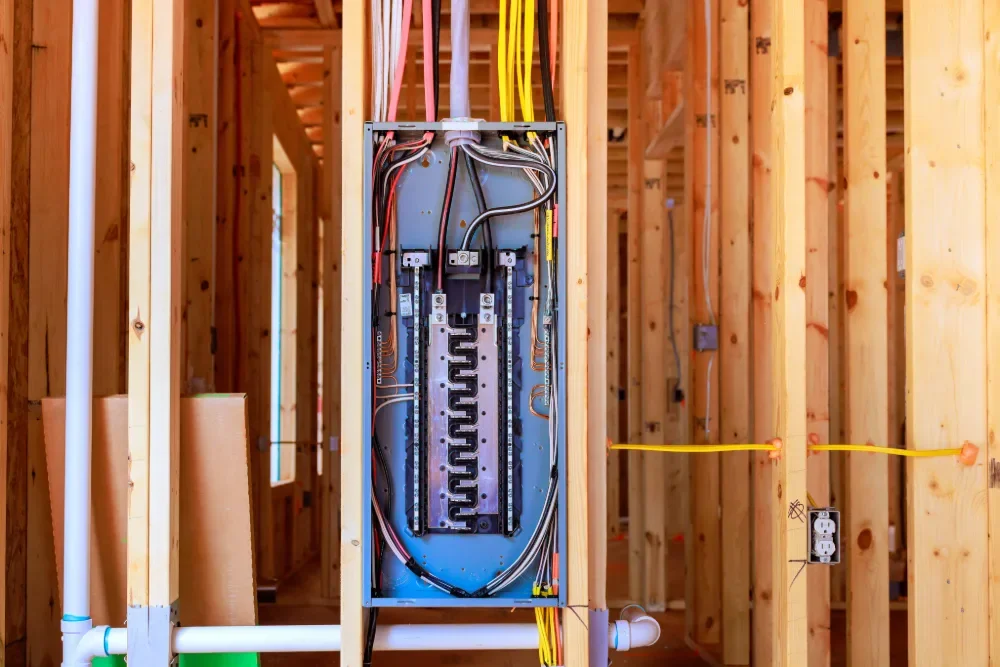
Backup generator outlet installations must comply with National Electrical Code requirements that govern receptacle ratings, circuit protection, grounding methods, and installation practices. Code compliance ensures safe backup operation and prevents electrical hazards from improper backup generator outlet installations.
Electrical installation requirements include properly rated receptacles that match circuit amperage and voltage configurations per NEC Article 406, appropriate circuit breaker sizing that provides overcurrent protection matching receptacle and wire ratings, correct wire sizing that handles circuit amperage without overheating based on NEC ampacity tables, and proper grounding methods that ensure effective fault current paths and equipment grounding.
Safety considerations include GFCI protection requirements for outdoor backup generator receptacles and specific indoor locations per current NEC standards, weatherproof rating requirements for exterior backup generator outlet installations based on environmental exposure levels, proper box fill calculations that ensure adequate space for wire connections and devices, and labeling requirements that identify circuit amperage and backup generator connection purposes.
Our code compliance expertise ensures backup generator outlet installations meet all applicable NEC requirements while following manufacturer guidelines and industry best practices for reliable, safe backup operation throughout the installation's lifespan.
Backup Generator Outlet Grounding and Bonding Requirements
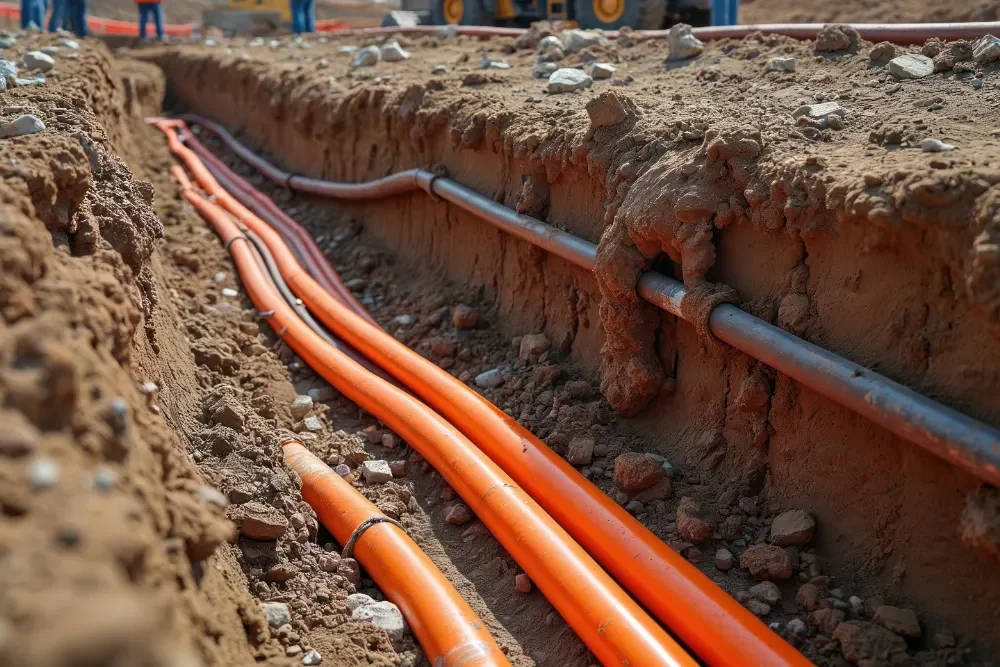
Proper grounding represents a critical safety requirement for backup generator outlet installations, ensuring effective fault protection and safe equipment operation. These grounding requirements vary based on backup generator configuration and outlet application.
Grounding considerations include equipment grounding conductor sizing that matches circuit amperage per NEC Table 250.122, proper ground connection methods at receptacles ensuring secure, low-resistance paths, grounding electrode system integration that ties backup generator circuits to building grounding infrastructure, and bonding requirements that ensure proper fault current paths through the electrical system.
Installation requirements for backup generator outlet grounding include assessment of existing grounding electrode system adequacy for additional backup generator circuits, evaluation of ground wire routing for minimum length and proper protection, installation of appropriate grounding connections at both panel and receptacle locations, and verification of ground path continuity ensuring effective fault current capacity.
Our grounding expertise ensures backup generator outlet installations provide effective fault protection that keeps users safe during backup generator operation while meeting all NEC grounding requirements.
Dedicated Circuit Installation for Backup Generator Outlets

Backup generator outlets require dedicated circuits that provide exclusive electrical paths from the main panel to receptacle locations without sharing capacity with other outlets or equipment. These dedicated backup generator outlet installations ensure reliable backup generator operation and proper circuit protection.
Dedicated circuit benefits include full circuit capacity availability for backup generator loads without competition from other electrical equipment, proper overcurrent protection that responds only to backup generator circuit conditions, simplified troubleshooting that isolates backup generator circuits from other electrical issues, and code compliance that meets NEC requirements for high-amperage receptacle installations.
Installation requirements for dedicated backup generator circuits include assessment of electrical panel capacity and available breaker slots for additional circuits, evaluation of optimal routing paths that minimize wire run distances and installation complexity, installation of appropriately sized wire matching circuit breaker amperage and receptacle ratings, and proper terminations at both panel and receptacle ensuring secure, low-resistance connections.
Dedicated circuit installations provide reliable backup generator connections that operate independently from other household electrical loads while maintaining proper protection and code compliance.
RV and Backup Generator Dual-Purpose Outlet Installation
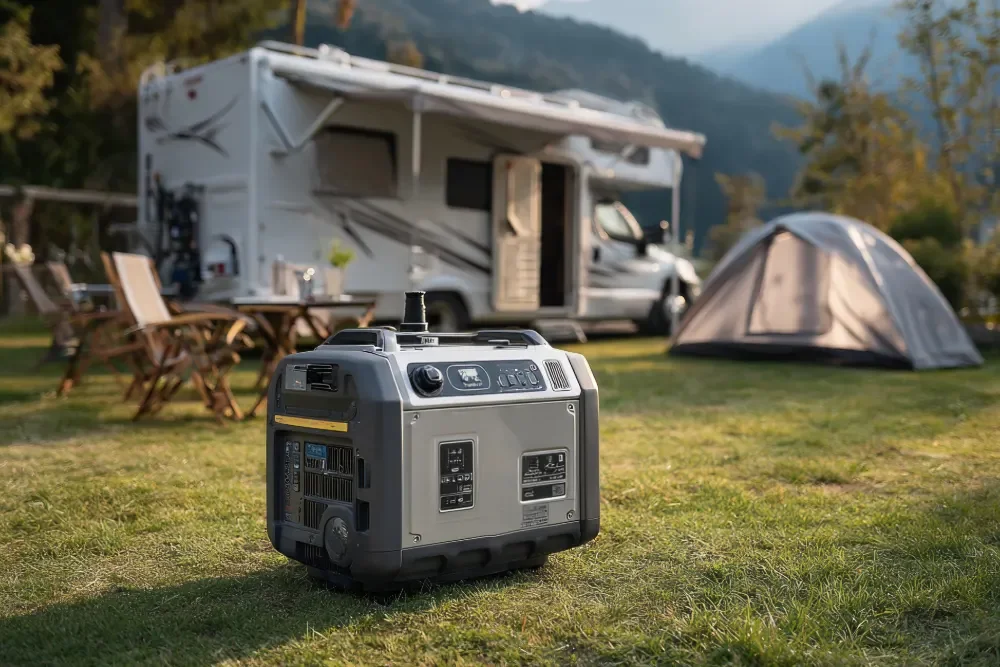
Dual-purpose outlet installations provide versatile connections that accommodate both portable backup generators and recreational vehicles, maximizing the value of electrical infrastructure investments. These multi-use backup generator outlet installations require careful planning to support both applications effectively.
Dual-purpose outlet options include NEMA 14-50 receptacles that support both 50-amp RV connections and large backup generator hookups, NEMA TT-30 receptacles that provide compatibility with 30-amp RV plugs and RV-style backup generators, combination installations that provide multiple receptacle types for maximum versatility, and pedestal-style mounting that mimics RV park connections for convenient recreational vehicle charging.
Installation considerations for dual-purpose backup generator outlets include location selection that provides convenient access for both RV parking and backup generator placement, circuit sizing that accommodates the higher-amperage application between RV charging and backup generator use, weatherproofing requirements for exterior installations exposed to vehicle traffic and weather, and convenience features like lighting and cord management that enhance usability for both applications.
Dual-purpose backup generator outlet installations provide particular value for property owners with both portable backup generators and recreational vehicles, enabling convenient home charging while maintaining backup power capability without separate electrical installations.
Backup Generator Outlet Installation for Inlet Box Connections
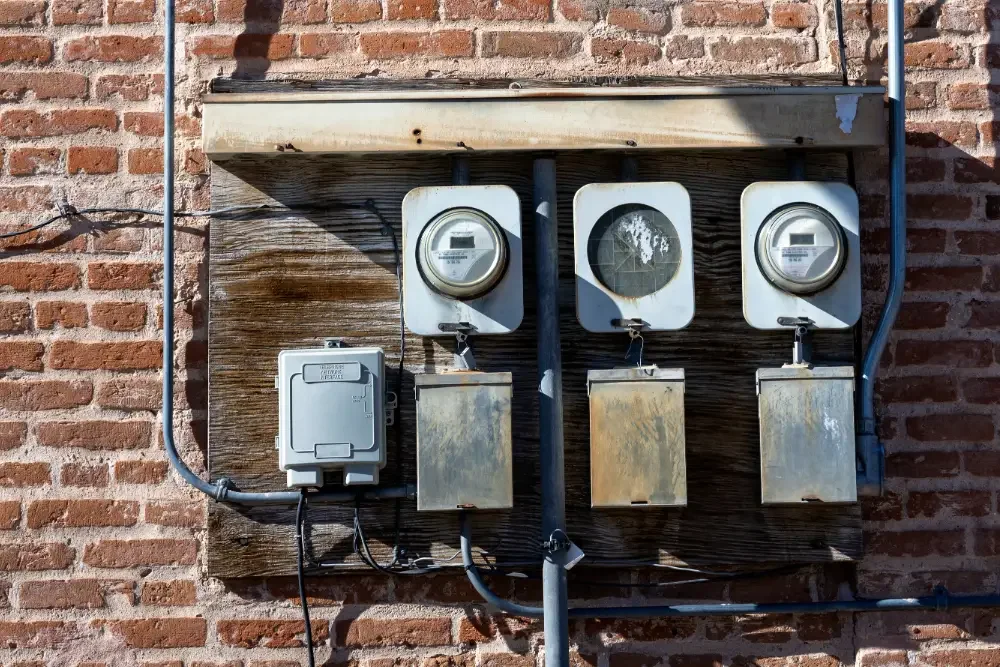
Backup generator inlet boxes work in conjunction with properly matched backup generator outlet cords to provide safe connections between portable backup generators and home electrical panels. Understanding this relationship ensures proper component selection for complete backup power systems.
Inlet box connection systems include backup generator-side outlets that provide starting points for power cord connections to inlet boxes, properly rated power cords that connect backup generator outlets to wall-mounted inlet receptacles, inlet boxes that receive backup generator power and route it to electrical panels through interlock systems, and matched component ratings that ensure all elements handle backup generator capacity safely.
Installation coordination requirements include backup generator outlet assessment that verifies plug compatibility with inlet box cord requirements, proper cord length planning that allows adequate backup generator placement distance from buildings, component rating verification ensuring outlets, cords, and inlet boxes all match backup generator capacity, and complete system testing that confirms proper operation from backup generator through panel connections.
Our comprehensive expertise ensures backup generator outlet installations integrate properly with inlet box systems for complete, code-compliant backup power infrastructure.
Backup Generator Outlet Upgrade and Replacement Services
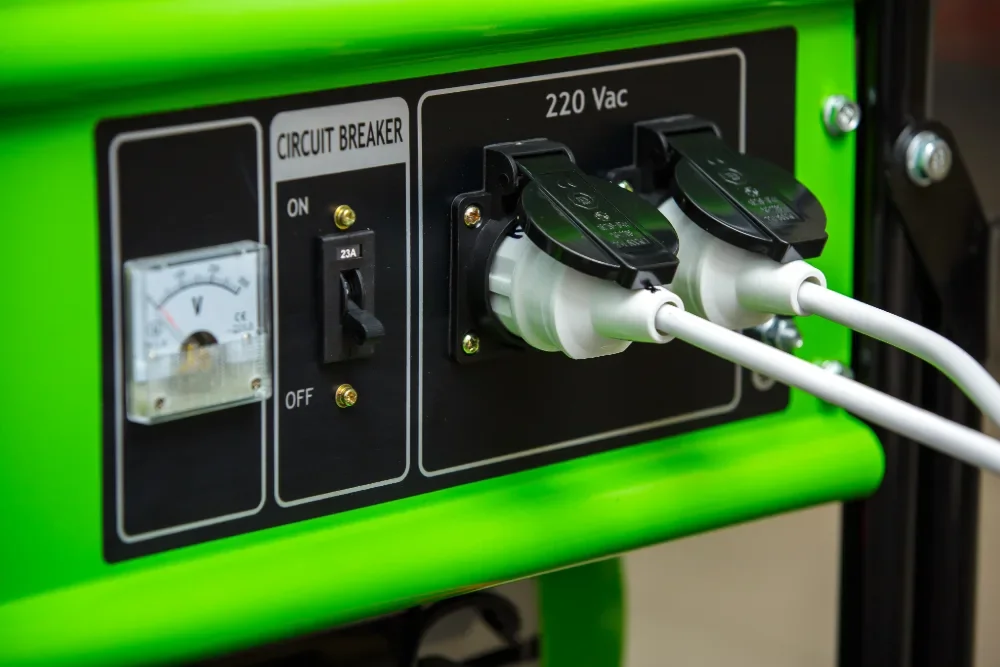
Existing backup generator outlets may require upgrades or replacement to accommodate new backup generator equipment, address wear and damage, or improve installation quality. These services ensure continued safe, reliable backup generator connections.
Common upgrade scenarios include amperage increases when new backup generators require higher-capacity outlets than existing installations provide, receptacle type changes when backup generator replacement introduces different plug configurations, weatherproofing improvements when existing outdoor backup generator outlets show deterioration or inadequate weather protection, and location modifications when backup generator placement changes require relocated or additional outlet positions.
Replacement indicators include visible damage including cracks, corrosion, or burn marks indicating overheating or arcing, loose connections that create intermittent contact and potential fire hazards, outdated configurations that require adapters creating safety compromises, and code compliance issues when existing backup generator outlet installations don't meet current NEC requirements.
Our upgrade and replacement expertise ensures existing backup generator outlet installations can be improved or updated safely while maintaining code compliance and maximizing backup power system reliability.
Backup Generator Outlet Safety Features and Best Practices
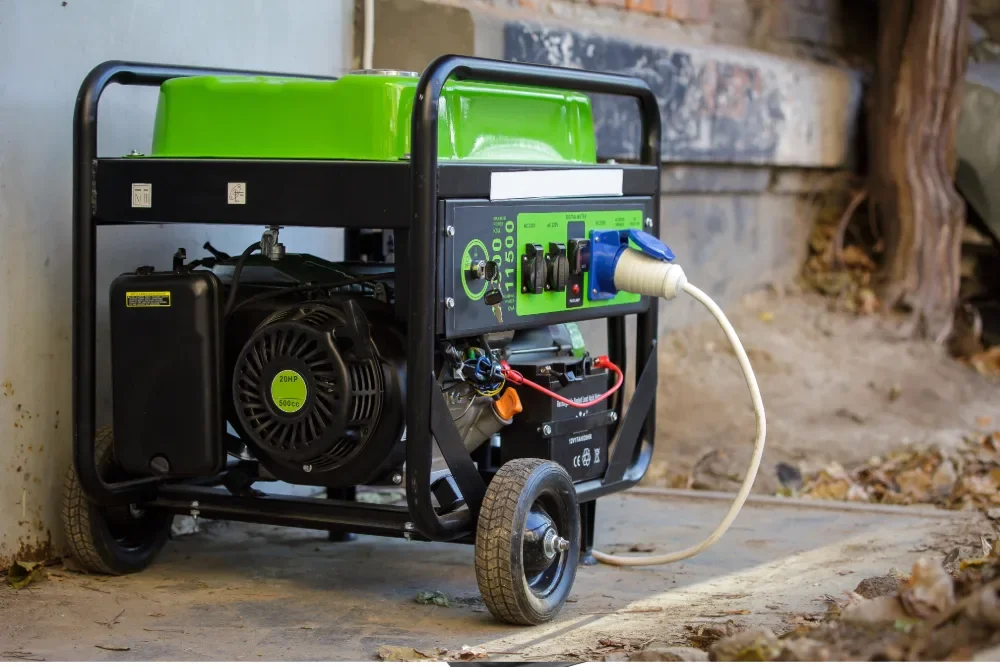
Safe backup generator outlet operation extends beyond proper installation to include appropriate usage practices and safety features that protect users and equipment. Understanding these considerations ensures safe, effective backup generator connections.
Safety features include twist-lock receptacles that prevent accidental disconnection during backup generator operation, in-use weatherproof covers that protect outdoor connections while backup generators are running, GFCI protection where required that prevents shock hazards in wet or damp locations, and proper labeling that identifies circuit ratings and backup generator connection purposes.
Usage best practices include connection sequence following proper procedures to connect cords before starting backup generators, load management avoiding simultaneous startup of multiple large loads that cause backup generator overload, visual inspection checking backup generator outlets for damage or wear before each use, and proper disconnection stopping backup generators before unplugging to prevent arcing and contact damage.
Our backup generator outlet services include comprehensive safety guidance that helps property owners use their backup power connections safely and effectively throughout years of reliable service.
Planning Your Backup Generator Outlet Installation Investment
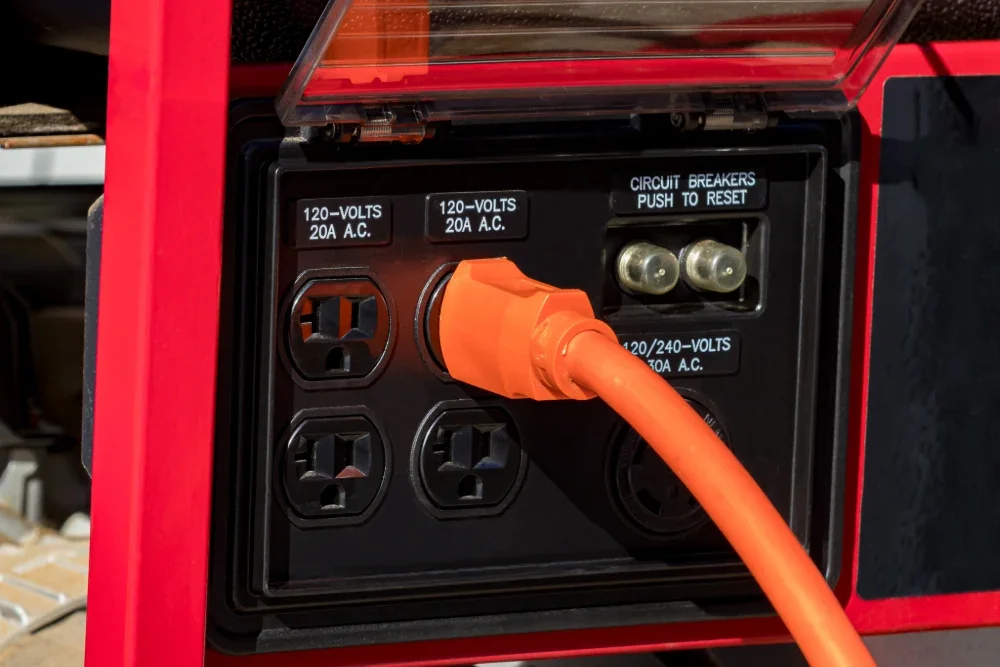
Backup generator outlet installation represents a valuable investment in emergency preparedness, equipment protection, and property functionality, requiring proper evaluation and planning to ensure optimal configuration for your specific backup generator and intended applications. Our consultation process includes comprehensive assessment of your backup generator specifications and electrical connection requirements, detailed explanation of different backup generator outlet options and their implications for safety and convenience, transparent pricing that includes all aspects of installation and any required electrical modifications, and realistic expectations about installation timelines and system capabilities.
We work with homeowners to develop backup generator outlet solutions that match specific backup power requirements, backup generator specifications, and property characteristics while ensuring all electrical circuits operate safely and reliably. Whether you need a single outdoor backup generator outlet or multiple outlets supporting various applications throughout your property, we provide the expertise and support that ensures your backup generator outlet investment provides maximum reliability, safety, and long-term performance.
Long-Term Value of Professional Backup Generator Outlet Installation
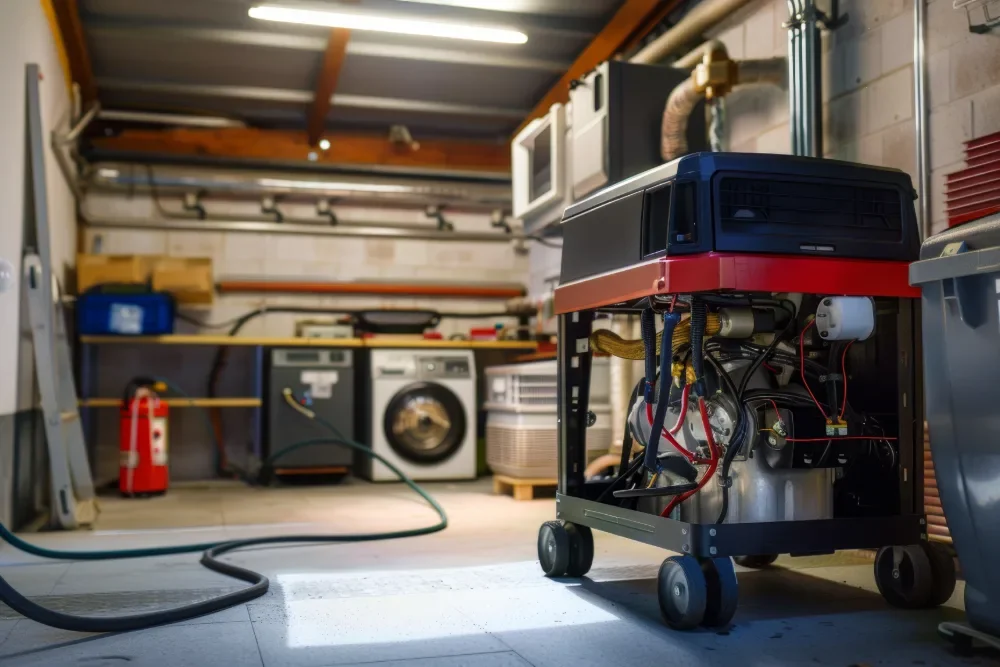
Professional backup generator outlet installation provides benefits that extend far beyond basic electrical connections. Properly installed backup generator outlets provide reliable backup generator operation through adequate circuit capacity and correct receptacle configurations, prevent equipment damage through proper voltage matching and overcurrent protection, support safe backup operation through appropriate grounding and weatherproofing for outdoor applications, and provide peace of mind that comes from knowing your backup generator connections meet code requirements and safety standards.
Our systematic approach to backup generator outlet installation has provided reliable backup power connections throughout our service area, building the experience and reputation that makes us the trusted choice for property owners who want comprehensive electrical safety and backup generator reliability. We understand that backup generator electrical work is an investment in emergency preparedness and equipment protection, which is why we approach every project with the care and precision it deserves.
Areas We Serve
Service Areas
If you need electrical services or an electrician in Seattle, WA, or any of the locations listed, do not hesitate to give us a call today! Schedule an appointment and we will head to your city to diagnose your electrical needs.
King County
Seattle, WA

Bellevue, WA
Kirkland, WA
Mercer Island, WA
Kent, WA
Federal Way, WA
Burien, WA
Des Moines, WA
Tukwila, WA
Woodinville, WA
Redmond, WA
Cottage Lake, WA
Shoreline, WA
Renton, WA
Fairwood, WA
White Center, WA
SeaTac, WA
South Center, WA
Snohomish County
Bothell, WA
Everett, WA
Snohomish, WA
Edmonds, WA
Marysville, WA
Pierce County
Tacoma, WA
Puyallup, WA
Edgewood, WA
Auburn, WA
Sumner, WA
Fife, WA
Dash Point, WA
Monday Through Saturday:
6:00am to 6:00pm
Sunday:
6:00am to 12:00pm
Hours of Operation
Location
Schedule Your Backup Generator Outlet Installation Consultation
Don't let inadequate electrical connections limit your backup generator's effectiveness or create safety hazards when professional backup generator outlet installation could provide proper capacity, weatherproofing, and code compliance for safe, reliable backup power connections. Trust JCS Electrical's expertise to evaluate your backup generator outlet needs and provide professional installation solutions that ensure your backup power equipment operates reliably with proper electrical infrastructure.
📞 Call (425) 552-1502 📧 Email team@jcselectricalseattle.com
Service Hours: Monday – Saturday: 6:00 AM to 6:00 PM Sunday: 6:00 AM to 12:00 PM
Serving: Seattle, WA | Everett, WA Kirkland, WA | Marysville, WA Redmond, WA | Shoreline, WA Edmonds, WA | Bellevue, WA Bothell, WA | Snohomish, WA Mercer Island, WA | Woodinville, WA Cottage Lake, WA
Whether you're installing a dedicated 240-volt backup generator outlet for high-capacity portable backup generators, adding a 30-amp outlet for convenient backup power connections, creating weatherproof outdoor backup generator outlets that enable safe backup generator operation during storms, or upgrading existing outlets that no longer meet your backup generator requirements, JCS Electrical delivers the precision and expertise that ensures your backup generator outlet installation provides dependable connections and safe operation for years of reliable backup power capability. Contact us today for your free consultation and discover why property owners throughout Snohomish and King Counties trust us for their most important backup generator electrical installations.
Our Customer Reviews
EXCELLENT
⭐⭐⭐⭐⭐
Based on 20 Reviews on Google
-
![Amy O'Neil review for JCS Electrical from Google]()
Amy O'Neill
⭐⭐⭐⭐⭐
We hired JCS Electrical to install a whole home generator after losing power for a week following the last bomb cyclone. Justin provided a comprehensive report with generator options based on our needs. He was very communicative and professional throughout the entire process and handled all the necessary permits and contractors. I would highly recommend JCS Electrical and plan to hire them again!
-
![Lisa Johnson review for JCS Electrical from Google]()
Lisa Johnson
⭐⭐⭐⭐⭐
Justin and Richard did a great job, on time, professional and friendly, pulled two lines from garage through to kitchen area, in a tri-level house it was a bit of a challenge. I really give them 10🌟
-
![Nicholas Johnson review for JCS Electrical from Google]()
Nicholas Johnson
⭐⭐⭐⭐⭐
Had and excellent experience with Justin and his crew. Top self work installing backup system and outdoor heater!
-
![Corinne White Review on Google for JCS Electrical]()
Corinne White
⭐⭐⭐⭐⭐
Fast, efficient, dependable, and very helpful. I called on Sears originally, but after my appointment was delayed multiple times throughout the day, I received a text telling me my appointment was cancelled for the day and rescheduled for four days later (and the diagnostic fee was twice what Justin charged!!!). I canceled them, scheduled Justin, who came one day later, at the scheduled time, and showed up on time again the day after we received the part! We highly recommend JCS Construction!!




FAQs
-
Absolutely, JCS Electrical is a fully licensed electrician near me and insured for all electrical services, ensuring your property and our team are protected. Operating in Servicing Greater Seattle, King, Snohomish and Pierce Counties, we comply with local regulations and uphold the highest standards of professionalism. Our reputation for reliable electrical contractor services speaks for itself. Call us to verify our credentials or book a free consultation.
-
If the project calls for permits and inspections, then we will ensure compliance with local building codes. We can handle permits and arrange for inspections, as required by law.
-
We adhere to the safety standards of the National Electrical Code and use proper equipment to prevent hazards like electrical fires or shocks.
-
Absolutely. We will be more than happy to assist in an urgent situation where a repair is necessary or provide post-project support when it is deemed fit. Our availability for emergencies is around the clock so please let us know if you are experiencing one.
Our electricians provide rapid response for urgent electrical issues, such as power outages or unsafe wiring, in Servicing Greater Seattle, King, Snohomish and Pierce Counties. Our licensed electricians ensure quick, safe solutions. Call us for emergency electrical service.
-
JCS Electrical, a leading electrician near me, provides top-quality electrical services for residential and commercial clients in Greater Seattle, Pierce, King and Snohomish Counties. Our services include home standby backup generator installations, EV charger installations, generator plug-in/interlock kits, main panel and subpanel installations, residential electrical wiring, electrical repairs, hot tub electrical installation, home automation (IoT), HVAC wiring, and specialty installations like heated floors, bathroom fans, and timer switches. We also offer outdoor electrical services such as landscape lighting, outdoor outlet installation, gate motors, and pool pump wiring, plus kitchen, bathroom, dining room, living room, and bedroom electrical upgrades. Our licensed electricians ensure reliable, code-compliant solutions. Call us for a free quote to start your project.
-
A backup generator outlet is a dedicated power inlet or receptacle installed on a building that allows a portable or standby generator to safely supply electricity during power outages.
-
Common generator outlets include:
NEMA L14-30 (30A, 120/240V)
NEMA 14-50 (50A, 120/240V)
The correct type depends on your generator’s output and power needs.
-
Yes. Electrical codes require either a manual transfer switch or a panel interlock kit to safely isolate generator power from the utility grid.
-
It depends on generator size and load management.
Most systems power essential circuits only (lights, fridge, freezer, outlets, router, medical equipment). Larger generators can support more loads. -
In most areas, yes. Electrical permits and inspections ensure the system meets safety and code requirements.