
Get Professional Tenant Improvement Oven Circuit Installation for Apartment Complexes in Seattle, Everett, Kirkland, Marysville, Redmond, Edmonds, Bellevue,
Snohomish, Shoreline, Bothell, Mercer Island, Woodinville or Cottage Lake, Washington
Ready for licensed electricians to install dedicated oven circuits
and kitchen electrical infrastructure as part of your apartment complex tenant improvement project in Seattle, Everett,
Kirkland, Marysville, Redmond, Edmonds, Bellevue , Snohomish, Shoreline, Bothell, Mercer Island, Woodinville or Cottage Lake?
Call us at (425)552-1502 or fill out the form below so we can schedule your oven circuit installation assessment.
Schedule Appointment
Expert Tenant Improvement Oven Circuit Installation for Apartment Complexes Throughout Western Washington

Improperly planned or undersized oven circuit electrical infrastructure on apartment complex tenant improvement projects is one of the most consequential and expensive electrical mistakes that property owners and general contractors encounter, with the potential to cause equipment failures, voided appliance warranties, failed electrical inspections, and the need for disruptive and costly panel and wiring modifications after construction is complete and walls are finished. Whether you are an apartment complex owner upgrading unit kitchens where electric ranges or wall ovens are being added or replaced as part of a renovation program, a property manager coordinating electrical work across multiple units that each require properly sized oven circuits as part of a capital improvement project, a general contractor handling the electrical scope on an apartment complex renovation where kitchen equipment plans call for 240-volt cooking appliance circuits, or a building owner preparing units for new residents who expect modern kitchen electrical infrastructure that safely supports a full-size electric range, JCS Electrical delivers the electrical expertise and project management capability that has earned us five-star Google reviews and the trust of apartment complex owners, general contractors, and property managers throughout Snohomish and King Counties.
Call (425) 552-1502 for professional tenant improvement oven circuit installation and kitchen electrical services anywhere in our service area.
When Your Tenant Improvement Project Requires Professional Oven Circuit Installation
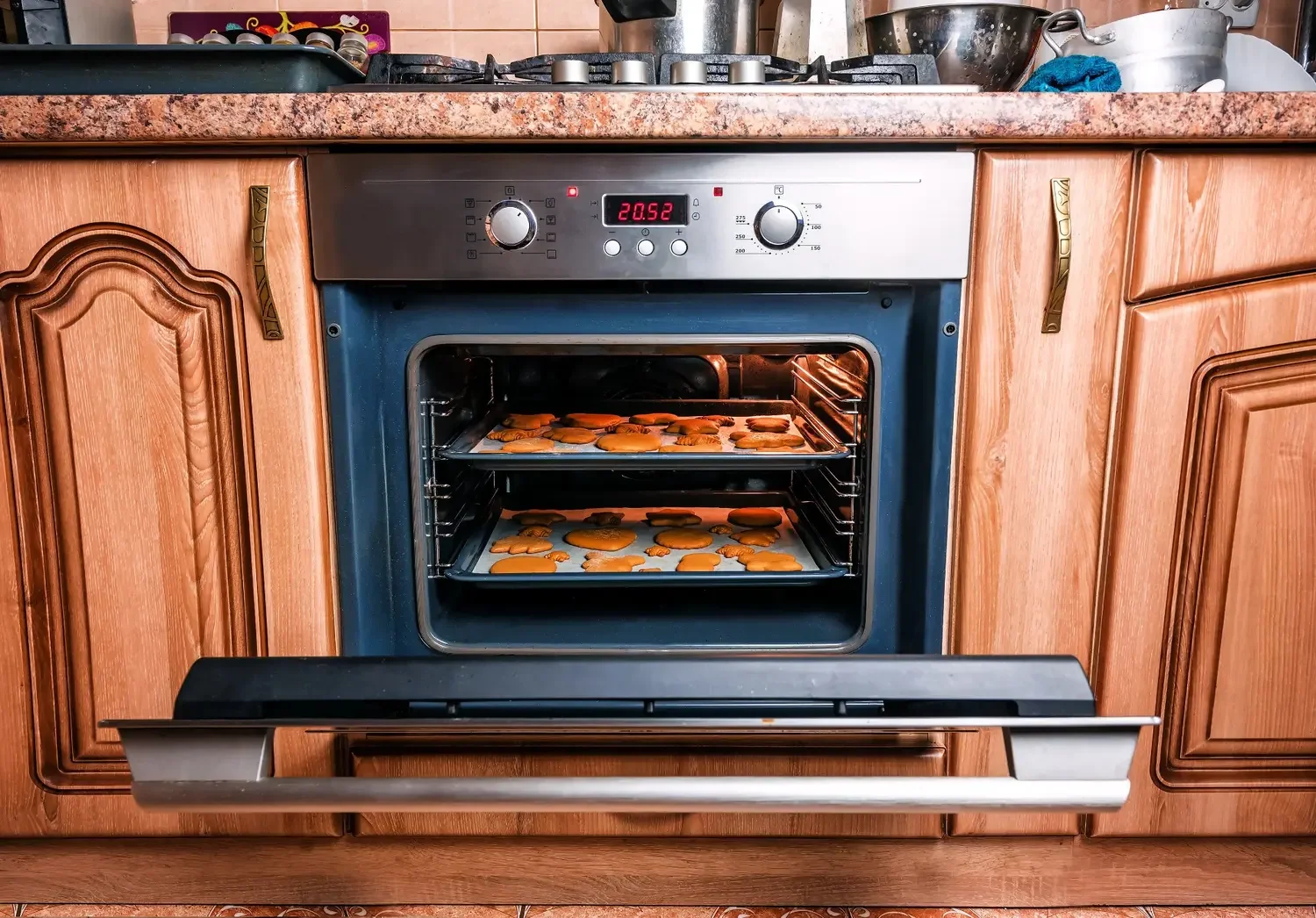
The need for professional oven circuit installation on a tenant improvement project becomes clear the moment a space program includes any cooking or food warming equipment that operates on 240-volt power. Unlike the 120-volt dedicated circuits that serve microwave ovens and small appliances, electric ovens, ranges, and most cooking equipment require 240-volt circuits rated at 40 to 60 amps depending on the equipment, representing a substantially more complex electrical scope that demands accurate load calculations, proper wire sizing, correct breaker selection, and panel capacity that many suites do not have available without upgrades.
Critical situations that make professional oven circuit installation essential on apartment complex projects include programs where electric ranges or wall ovens are being installed in kitchens that currently have gas appliances or no oven circuit at all, requiring new 240-volt dedicated circuits to be roughed in during the renovation phase before walls are closed, multi-unit capital improvement projects where oven circuits need to be installed consistently across dozens of units as part of a building-wide kitchen upgrade program, properties where aging or absent oven circuits are generating resident complaints and maintenance calls that a properly planned electrical upgrade would permanently resolve, and any apartment complex unit where the incoming resident's expectations include a full-size electric range and the existing electrical infrastructure was not designed to support that load.
The consequences of inadequate oven circuit planning on a tenant improvement project are significantly more serious than those of other breakroom circuit deficiencies. A 240-volt oven circuit that is undersized for the connected equipment creates a persistent fire hazard from overheated wiring, voids the equipment manufacturer's warranty, and almost certainly fails the electrical inspection that must occur before the space can be occupied. Correcting undersized oven circuits after construction is complete requires opening finished walls and ceilings, pulling new wire through conduit, and potentially modifying the electrical panel, all at a cost that is multiples of what proper planning and installation during the construction phase would have required.
Understanding Oven and Cooking Equipment Circuit Requirements
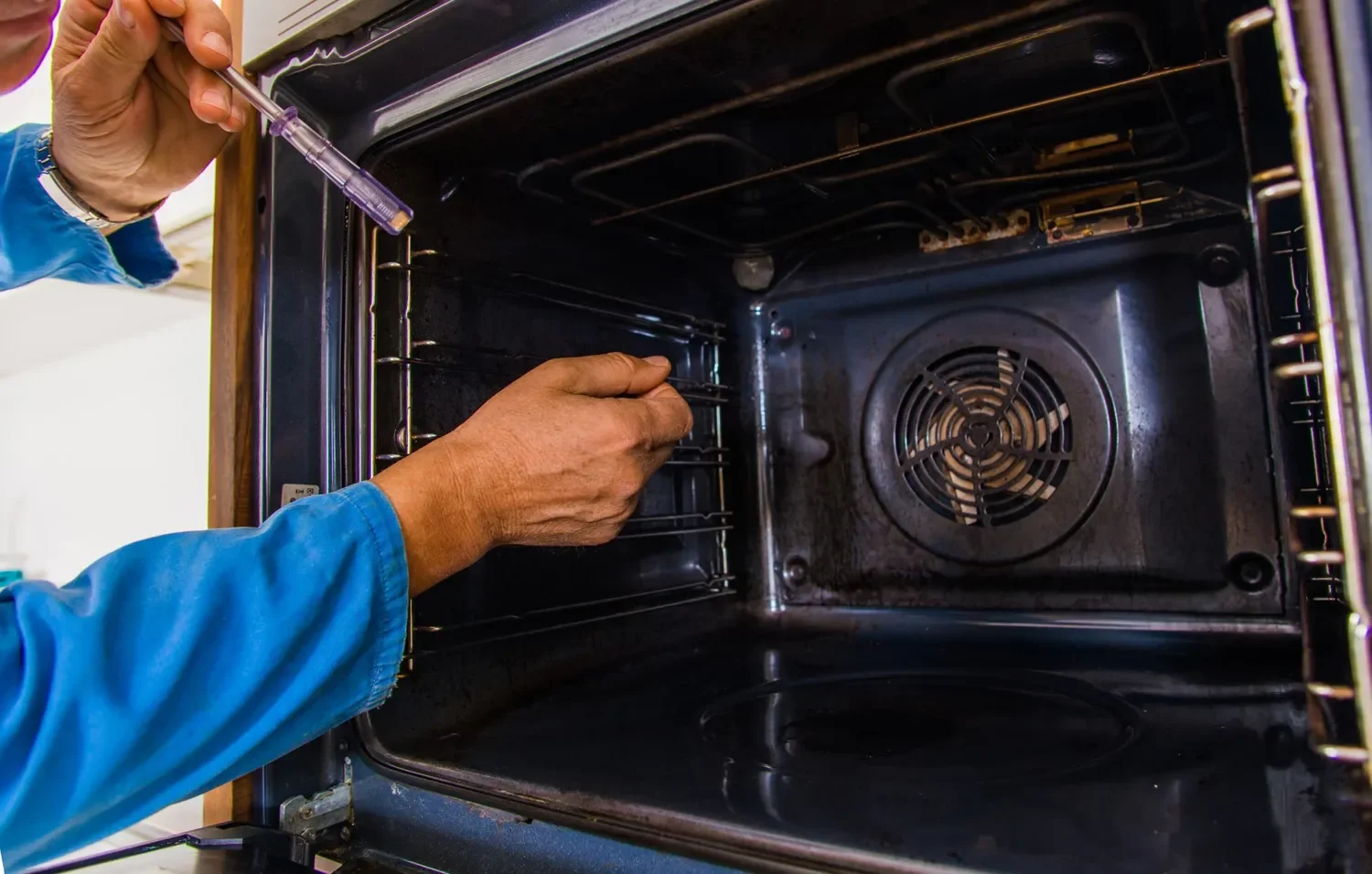
Oven and cooking equipment circuit requirements are governed by the National Electrical Code and the equipment manufacturer's installation specifications, both of which must be satisfied for the installation to pass inspection and for the equipment warranty to remain valid. Understanding the specific electrical requirements of the oven or cooking equipment being installed is the starting point for every oven circuit project, and getting this information before rough-in begins rather than after is the difference between an installation that works correctly and one that requires expensive rework.
Electric wall ovens and freestanding ranges typically require a dedicated 240-volt, 50-amp circuit with a four-wire connection consisting of two hot conductors, a neutral, and a ground. Higher-output cooking appliances may require 240-volt circuits rated at 30, 40, 50, or 60 amps depending on the equipment's wattage rating, and the wire gauge, breaker size, outlet or connection type, and conduit fill all depend on the specific amperage rating of the circuit. Each of these elements must be correctly sized and matched to the equipment being installed to avoid code violations, equipment damage, and the fire hazards that undersized wiring creates when an oven draws more current than the circuit is rated to carry.
Beyond the individual oven circuit requirements, tenant improvement projects with multiple pieces of cooking equipment require a total load calculation that accounts for the combined amperage draw of all cooking circuits plus the existing electrical load of the suite, and confirms that the electrical panel serving the space has adequate capacity to support the full load without exceeding the panel's service rating. This calculation must be performed before rough-in begins, because discovering a panel capacity deficiency after wiring is run and walls are closed creates a project disruption that is far more expensive to resolve than it would have been to identify and address during pre-construction planning.
Our Comprehensive Tenant Improvement Oven Circuit Installation Strategy
Effective oven circuit installation on a tenant improvement project requires accurate equipment data, proper load calculations, and installation work that is correctly sequenced within the construction schedule so that 240-volt circuit rough-in is completed before walls and ceilings are closed. Our approach begins with a thorough review of the tenant's equipment plan, the electrical drawings, and the specifications for each piece of cooking equipment before any work begins on site, because oven circuits are not a scope where field improvisation produces acceptable results.
Our pre-construction process for oven and cooking equipment circuits includes collection and review of the manufacturer's installation specifications for each piece of cooking equipment to confirm voltage, amperage, connection type, and any special installation requirements, load calculation that totals all cooking equipment circuits plus the existing suite load and verifies the panel can support the combined demand, assessment of the electrical panel's available circuit slots and amperage headroom and identification of any upgrade requirements that need to be incorporated into the project scope before construction begins, and coordination with the general contractor on rough-in timing and equipment delivery schedule to ensure circuit installation is sequenced with the kitchen buildout and equipment set.
Our installation process prioritizes getting the rough-in right the first time so that the general contractor's project is not delayed by electrical rework or inspection failures. We run properly sized conduit and wire from the panel to each cooking equipment location during the rough-in phase, install junction boxes or connection points at the correct location and height for each piece of equipment, and coordinate with the general contractor and equipment vendor to confirm final equipment placement before rough-in is finalized so that connection points end up exactly where the equipment needs them.
Throughout the installation we provide only code-compliant electrical work including correctly sized wire and conduit for each circuit's amperage rating, properly rated 240-volt breakers with the correct frame size and trip rating for each cooking equipment circuit, four-wire connections that provide the separate neutral and ground conductors required by current electrical code for ranges and ovens, and clear panel labeling that identifies each cooking equipment circuit for the benefit of kitchen staff and building maintenance personnel.
Oven and Cooking Equipment Circuit Types and Installation Capabilities

Tenant improvement projects across the food service, hospitality, corporate dining, and healthcare sectors involve a wide range of cooking equipment types with varying electrical requirements, and proper oven circuit installation requires familiarity with the connection methods, amperage ratings, and installation standards specific to each equipment category. JCS Electrical has the expertise to install circuits for the full range of electric cooking equipment that tenant improvement projects require.
Our cooking equipment circuit installation capabilities for apartment complex projects include dedicated 240-volt, 50-amp circuits for electric freestanding ranges in unit kitchen renovations, dedicated circuits for built-in wall ovens where kitchen reconfigurations include wall oven installation in place of a freestanding range, range hood and over-the-range microwave combination circuits where kitchen renovations include ventilation equipment that requires its own dedicated circuit, induction cooktop circuits where property owners are upgrading units with induction cooking technology in place of traditional resistance heating, and warming oven or countertop oven circuits in common area kitchens and amenity spaces where residents have access to shared cooking facilities.
For tenant improvements where the cooking equipment plan is still being finalized at the time electrical rough-in needs to begin, we can install appropriately sized conduit stub-outs and junction boxes during rough-in that accommodate a range of equipment options, deferring final wire sizing and breaker installation until the equipment selection is confirmed. This approach keeps the project on schedule without locking the tenant into equipment choices before they are ready to finalize their kitchen plan.
Panel Capacity Assessment and Service Upgrades for Kitchen Tenant Improvements

Oven and cooking equipment circuits represent some of the largest individual electrical loads in an apartment improvement project, and the cumulative demand across a building-wide kitchen upgrade program can easily exceed the available capacity of the electrical panels serving individual units or the building's main distribution system, particularly in older Seattle-area apartment buildings where the original electrical service was designed for the modest loads of an earlier era rather than the full-size electric ranges and modern appliances that today's residents expect. Identifying and resolving panel capacity limitations before renovation work begins is one of the most important services we provide on apartment complex projects with significant kitchen electrical upgrade scopes.
Our panel capacity assessment for kitchen tenant improvements includes review of the existing panel schedule and service rating to establish the baseline available capacity, load calculation that adds all proposed cooking equipment circuits to the existing connected load and determines the total demand against the panel's rated capacity, identification of opportunities to reconfigure or remove obsolete circuits that consume panel capacity without serving current loads, and clear documentation of any panel upgrade requirements with cost and schedule implications so the general contractor and property owner can make informed decisions about how to address capacity constraints within the project budget.
When panel upgrades or new subpanel installations are required to support kitchen electrical loads, we manage the full scope of the upgrade work including coordination with Puget Sound Energy for any service entrance work that requires utility involvement, permit application and inspection management for panel upgrade work, and integration of the panel upgrade into the overall tenant improvement construction schedule so that cooking equipment circuits are ready when the kitchen installation crew needs them.
Electrical Code Compliance and Inspection Requirements for Oven Circuits
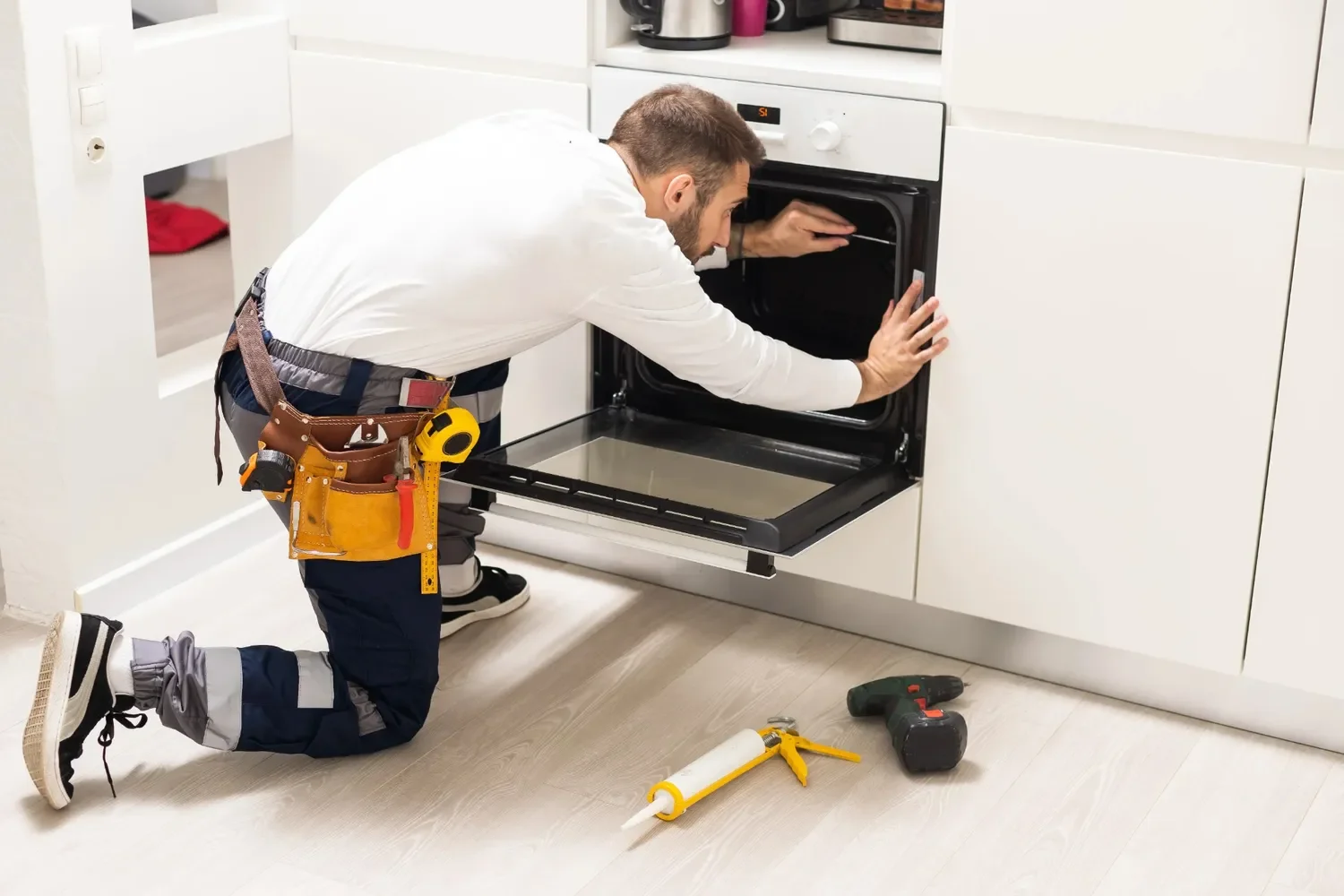
Oven and cooking equipment circuit installations on tenant improvement projects must comply with the Washington State electrical code, local jurisdiction amendments, the National Electrical Code, and the equipment manufacturer's installation requirements. Electrical inspections for tenant improvements include verification that oven circuit rough-in work meets code requirements before walls and ceilings are closed, and that final connections and equipment installations comply with the approved electrical plans and applicable code provisions.
Code requirements specific to oven and cooking equipment circuits include NEC Article 422 provisions governing fixed cooking appliances and the branch circuit sizing requirements for specific equipment ratings, the four-wire connection requirement for ranges and ovens that provides separate neutral and equipment grounding conductors, proper disconnect provisions that allow cooking equipment to be safely de-energized for service and maintenance, GFCI protection requirements where applicable based on the equipment location and proximity to water sources, and correct circuit labeling in the electrical panel that identifies each cooking equipment circuit clearly.
We are experienced with the electrical inspection process across jurisdictions throughout the Seattle metro area and understand the documentation and installation standards that inspectors look for on kitchen tenant improvement projects. Our installation approach is designed to pass electrical inspection without rework, because we understand that inspection failures on a tenant improvement project create schedule pressure for the general contractor and delay the tenant's ability to begin operating their business.
Coordination with Kitchen Equipment Vendors and General Contractors
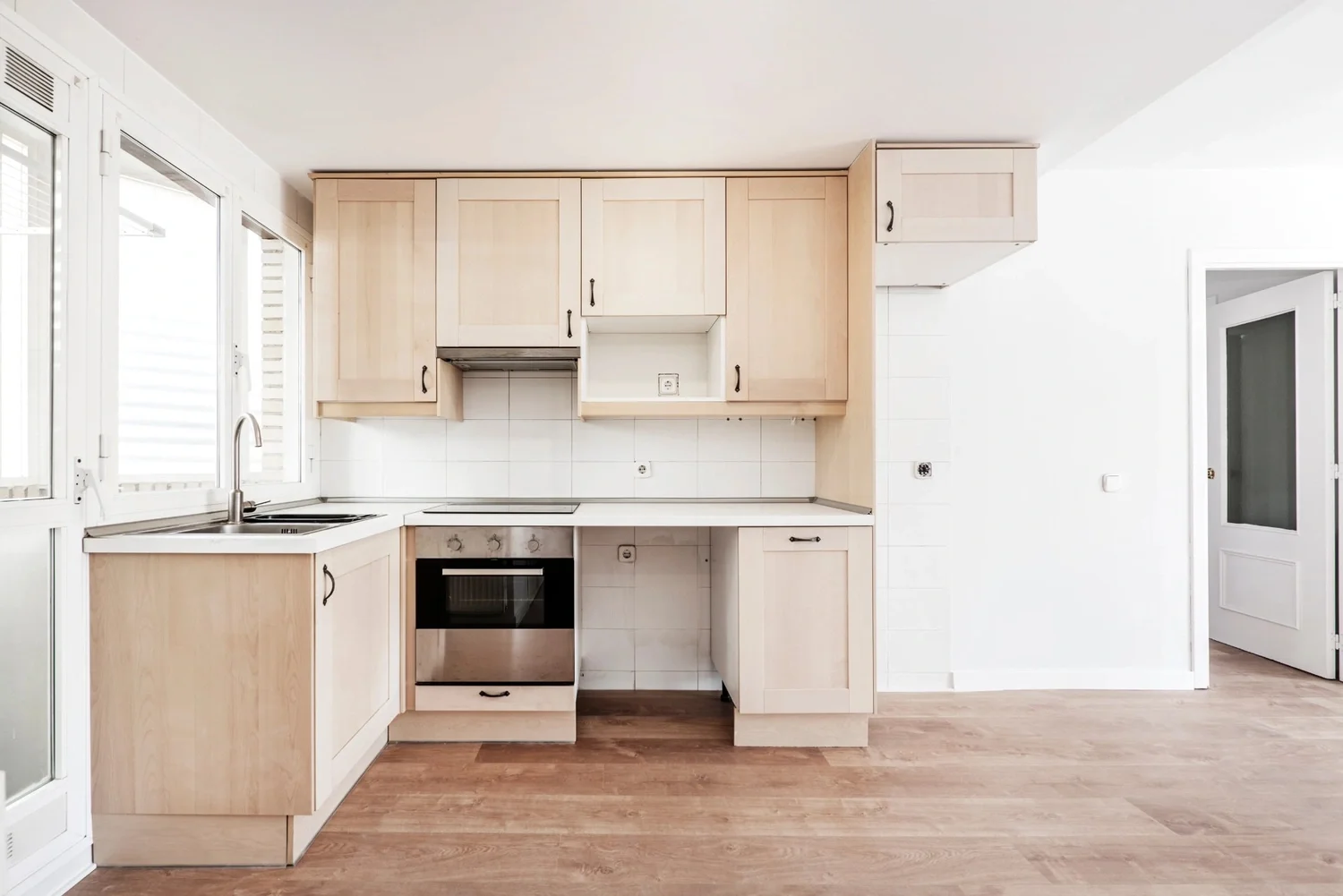
Kitchen tenant improvements involve more stakeholders than most other tenant improvement project types, with kitchen equipment vendors, hood and ventilation contractors, plumbers, and the general contractor all working in a shared space under time pressure to complete a kitchen buildout that must be fully operational before the tenant can open for business. Effective oven circuit installation on these projects requires active coordination with the other parties involved in the kitchen buildout, not just execution of the electrical scope in isolation.
Our kitchen tenant improvement coordination capabilities include direct communication with the kitchen equipment vendor to confirm final equipment placement, connection point requirements, and delivery and installation schedule so that electrical rough-in is positioned correctly and the panel is ready when equipment arrives, coordination with the hood and ventilation contractor to ensure exhaust fan electrical connections are planned and installed alongside cooking equipment circuits rather than addressed as a separate afterthought, sequencing of electrical rough-in work with the plumber's rough-in schedule so that both trades complete their work before ceiling and wall finishes are applied, and regular communication with the general contractor's project manager regarding our work status, any outstanding RFIs or plan clarifications needed, and our readiness for each electrical inspection milestone.
Property owners and general contractors who have worked with electrical contractors that treat kitchen tenant improvements as a simple circuit pull quickly discover the cost of poor coordination when equipment arrives and connection points are in the wrong location, or when the panel is full and oven circuits cannot be added without an emergency upgrade. Our proactive coordination approach prevents these problems by resolving potential issues during pre-construction rather than in the field during the critical path of the project.
Long-Term Value of Professional Tenant Improvement Oven Circuit Installation

Professional oven and cooking equipment circuit installation on tenant improvement projects provides value that extends throughout the entire tenancy and beyond. Properly installed and correctly sized oven circuits operate safely and reliably throughout the life of the equipment, protect cooking appliances from the damage and warranty voidance that results from undersized or improperly wired circuits, comply with electrical code requirements that protect the property owner and tenant from code enforcement issues and insurance complications, and provide clean panel documentation that makes future electrical work and equipment replacements straightforward for whoever manages the building electrical systems.
Our systematic approach to tenant improvement electrical work has built the project execution track record and subcontractor reputation that makes JCS Electrical the trusted choice for general contractors and property owners who need a reliable and technically capable electrical partner on kitchen and food service tenant improvement projects throughout the Seattle area. We understand that oven circuit work is not a scope where cutting corners or skipping the pre-construction planning steps produces acceptable outcomes, which is why we approach every kitchen electrical scope with the equipment knowledge, load calculation discipline, and installation precision it requires.
Areas We Serve
Service Areas
If you need electrical services or an electrician in Seattle, WA, or any of the locations listed, do not hesitate to give us a call today! Schedule an appointment and we will head to your city to diagnose your electrical needs.
King County
Seattle, WA

Bellevue, WA
Kirkland, WA
Mercer Island, WA
Kent, WA
Federal Way, WA
Burien, WA
Des Moines, WA
Tukwila, WA
Woodinville, WA
Redmond, WA
Cottage Lake, WA
Shoreline, WA
Renton, WA
Fairwood, WA
White Center, WA
SeaTac, WA
South Center, WA
Snohomish County
Bothell, WA
Everett, WA
Snohomish, WA
Edmonds, WA
Marysville, WA
Pierce County
Tacoma, WA
Puyallup, WA
Edgewood, WA
Auburn, WA
Sumner, WA
Fife, WA
Dash Point, WA
Monday Through Saturday:
6:00am to 6:00pm
Sunday:
6:00am to 12:00pm
Hours of Operation
Location
Schedule Your Tenant Improvement Oven Circuit Consultation
Don't allow inadequate oven circuit planning to create inspection failures, equipment damage, and costly post-construction electrical work on your tenant improvement project when proper circuit installation during the construction phase could provide safe, code-compliant cooking equipment connections that are ready when your tenant needs them. Trust JCS Electrical's kitchen electrical expertise to plan and install your tenant improvement oven circuits with the equipment knowledge, load calculation accuracy, and project coordination that general contractors and property owners throughout Western Washington rely on.
📞 Call (425) 552-1502 📧 Email team@jcselectricalseattle.com
Service Hours: Monday – Saturday: 6:00 AM to 6:00 PM Sunday: 6:00 AM to 12:00 PM
Serving: Seattle, WA | Everett, WA Kirkland, WA | Marysville, WA Redmond, WA | Shoreline, WA Edmonds, WA | Bellevue, WA Bothell, WA | Snohomish, WA Mercer Island, WA | Woodinville, WA Cottage Lake, WA
Whether you are an apartment complex owner upgrading unit kitchens with new electric range or wall oven circuits as part of a renovation program, a property manager coordinating oven circuit installation across multiple units during tenant turnover, or a general contractor handling the electrical scope on an apartment complex improvement project where kitchen equipment plans call for 240-volt cooking appliance circuits, JCS Electrical delivers the electrical expertise and project coordination that ensures your oven circuits are installed correctly, pass inspection, and support reliable cooking equipment operation from the first day of occupancy. Contact us today and discover why apartment complex owners and property managers throughout Snohomish and King Counties trust us for tenant improvement electrical work.
Our Customer Reviews
EXCELLENT
⭐⭐⭐⭐⭐
Based on 20 Reviews on Google
-
![Amy O'Neil review for JCS Electrical from Google]()
Amy O'Neill
⭐⭐⭐⭐⭐
We hired JCS Electrical to install a whole home generator after losing power for a week following the last bomb cyclone. Justin provided a comprehensive report with generator options based on our needs. He was very communicative and professional throughout the entire process and handled all the necessary permits and contractors. I would highly recommend JCS Electrical and plan to hire them again!
-
![Lisa Johnson review for JCS Electrical from Google]()
Lisa Johnson
⭐⭐⭐⭐⭐
Justin and Richard did a great job, on time, professional and friendly, pulled two lines from garage through to kitchen area, in a tri-level house it was a bit of a challenge. I really give them 10🌟
-
![Nicholas Johnson review for JCS Electrical from Google]()
Nicholas Johnson
⭐⭐⭐⭐⭐
Had and excellent experience with Justin and his crew. Top self work installing backup system and outdoor heater!
-
![Corinne White Review on Google for JCS Electrical]()
Corinne White
⭐⭐⭐⭐⭐
Fast, efficient, dependable, and very helpful. I called on Sears originally, but after my appointment was delayed multiple times throughout the day, I received a text telling me my appointment was cancelled for the day and rescheduled for four days later (and the diagnostic fee was twice what Justin charged!!!). I canceled them, scheduled Justin, who came one day later, at the scheduled time, and showed up on time again the day after we received the part! We highly recommend JCS Construction!!




FAQs
-
Absolutely, JCS Electrical is a fully licensed electrician near me and insured for all electrical services, ensuring your property and our team are protected. Operating in Servicing Greater Seattle, King, Snohomish and Pierce Counties, we comply with local regulations and uphold the highest standards of professionalism. Our reputation for reliable electrical contractor services speaks for itself. Call us to verify our credentials or book a free consultation.
-
If the project calls for permits and inspections, then we will ensure compliance with local building codes. We can handle permits and arrange for inspections, as required by law.
-
We adhere to the safety standards of the National Electrical Code and use proper equipment to prevent hazards like electrical fires or shocks.
-
Apartment Complex and Multi-Family Residential / Tenant Improvements
Knob and tube wiring remediation, full unit renovation programs, lighting circuits, dedicated appliance circuits (microwave, oven, refrigerator, washer/dryer), Cadet heaters, panel upgrades, recessed lighting, chandeliers, low-voltage LED systems, centrally controlled lighting, bathroom fans, generator inlets, transfer switches, parking garage electrical, underground utility work, and standby generator installation. We work up to 1200 amps and serve apartment complexes and multi-family buildings of all sizes.
Commercial
Warehouse and industrial conversions, storage facility electrical, switchgear, manual and automatic transfer switches, commercial panel upgrades, and underground utility pulls into commercial buildings.
Solar
Solar system design and installation for multi-family and residential properties.
Generators
Generac and Kohler standby generator installation for apartment complexes, including generator, transfer switch, disconnect, and all associated electrical infrastructure.
-
Electric ranges and wall ovens require 240-volt circuits rated at 40 to 50 amps — a fundamentally different electrical scope than the 120-volt circuits that serve small kitchen appliances. An oven cannot simply be plugged into an existing outlet. It needs its own dedicated high-amperage circuit run from the panel with correctly sized wire, a properly rated breaker, and a four-wire connection. In older Seattle-area apartment buildings where units were originally equipped with gas ranges or no cooking appliance at all, this circuit often doesn't exist and needs to be added as part of the kitchen renovation.
-
An undersized oven circuit creates a persistent fire hazard from overheated wiring, trips breakers under normal cooking loads, and voids the appliance manufacturer's warranty. It will also fail the electrical inspection that is required before the unit can be occupied. Correcting an undersized oven circuit after walls are finished requires opening surfaces to pull new wire, patching, and repainting — at a cost that is significantly higher than installing the correct circuit during the renovation phase before walls are closed.
-
Not always. Many older Seattle apartment buildings were originally wired for gas cooking, and the electrical panels serving individual units were sized accordingly. Adding a 40 or 50-amp 240-volt oven circuit to a panel that wasn't designed for it may require a panel upgrade or subpanel installation before the oven circuit can be added. We assess panel capacity as part of our pre-project planning on every unit renovation and communicate any upgrade requirements clearly before work begins so there are no budget surprises during construction.
-
Oven circuit rough-in must be completed before walls and ceilings are closed, which places it in the same phase as plumbing and HVAC rough-in work. Delaying the electrical rough-in until after finishes are applied means opening finished walls to run conduit and wire, adding repair and repainting costs that proper sequencing during the renovation would have avoided. We coordinate with the general contractor or property manager at the start of each project to confirm that oven circuit rough-in is on the schedule before framing is enclosed.
-
Yes, multi-unit oven circuit installation programs are a regular part of the work we do for apartment complex owners throughout Snohomish and King Counties. We coordinate unit scheduling with property management to fit within resident notice requirements and vacancy windows, address panel capacity across multiple units efficiently to minimize repeat mobilizations, and deliver consistent installation results throughout the building. Owners who bundle oven circuit work across a larger renovation program benefit from lower per-unit costs and a single contractor accountable for the quality and schedule of all the electrical work.