
Get Professional Water Heater Wiring in Seattle, Everett,
Kirkland, Marysville, Redmond,
Edmonds, Bellevue, Snohomish, Shoreline,
Bothell, Mercer Island, Woodinville or Cottage Lake
Ready for a licensed electrician to help you with proper electrical
wiring for your water heater installation in
Seattle, Everett, Kirkland, Marysville, Redmond, Edmonds,
Bellevue , Snohomish, Shoreline, Bothell, Mercer Island, Woodinville or Cottage Lake?
Call us at (425)552-1502 or fill out the form below so we can schedule your appointment.
Schedule Appointment
Expert Water Heater Wiring for Safe, Efficient Hot Water Systems Throughout Western Washington

Improperly installed water heater electrical wiring represents one of the most critical safety hazards and system performance limitations that residential and commercial properties face, with the potential to cause electrical fires, equipment damage, and thousands of dollars in premature system failures from inadequate electrical supply or incorrect wiring connections. Whether you're installing new electric water heaters, upgrading to tankless water heater systems, adding heat pump water heater electrical infrastructure that requires dedicated circuits, or replacing outdated gas units with modern electric models that demand substantial electrical connections, JCS Electrical delivers the comprehensive electrical expertise that has earned us five-star Google reviews and the trust of more than 100 property owners throughout Snohomish and King Counties.
Call (425) 552-1502 for professional water heater wiring anywhere in our service area.
When Your Water Heater Needs Professional Electrical Wiring
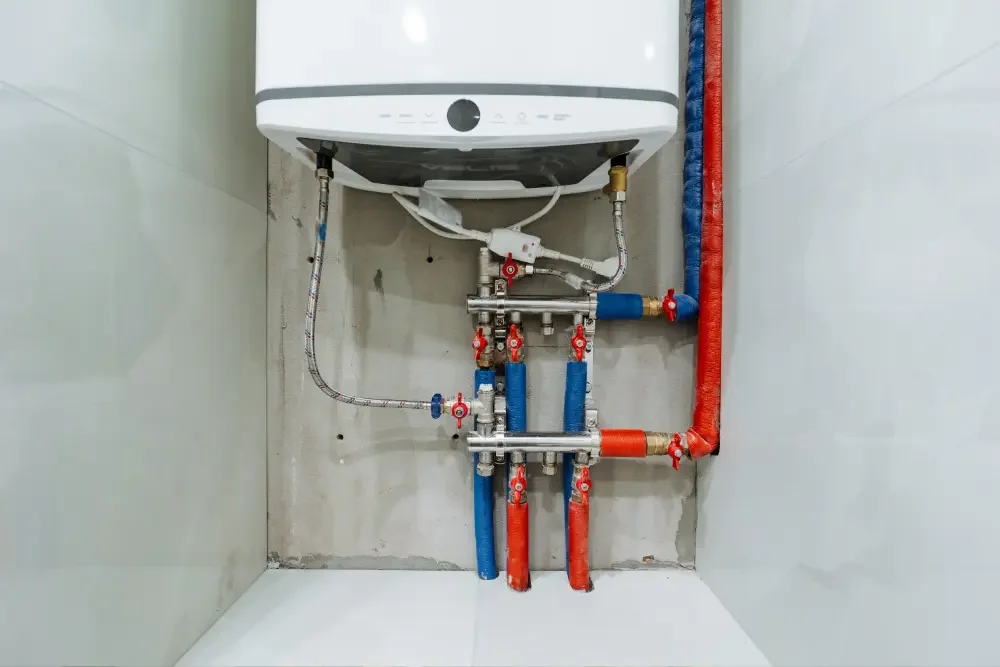
Identifying the need for professional water heater electrical wiring often becomes apparent when planning hot water equipment installation or experiencing system reliability issues, but there are clear indicators that suggest your property would benefit significantly from expert electrical installation services. Existing electrical circuits in many properties lack adequate capacity for modern water heating equipment, especially homes with outdated wiring or insufficient electrical panel space that make electrical assessment and upgrades essential for successful water heater system operation.
Critical electrical needs make professional water heater wiring essential including new tank water heater installations that require dedicated 240-volt circuits for heating elements, tankless water heater installations that demand substantial electrical capacity and multiple high-amperage circuits, heat pump water heater systems that need specialized electrical connections and proper circuit protection, and gas-to-electric conversions that require complete electrical infrastructure installation for reliable hot water operation.
The safety impact of improper water heater wiring becomes obvious when considering potential risks including electrical fires from overloaded circuits or inadequate wire sizing that cannot handle water heater electrical demands, equipment damage from incorrect voltage supply or inadequate circuit protection that voids warranties and creates expensive replacement costs, system failures from improper electrical connections that cause intermittent operation and hot water supply issues, and code violations when water heater installations don't meet National Electrical Code requirements for water heating equipment.
Many property owners assume existing electrical circuits can accommodate new water heater equipment, but modern electric water heaters require specialized electrical infrastructure including dedicated circuits that provide adequate capacity for heating element operation and recovery cycles, proper disconnect switches that enable safe service and meet code requirements, appropriate wire sizing that handles sustained high-amperage loads safely, and while basic circuits may seem adequate, water heater equipment cannot operate reliably or efficiently without proper electrical capacity and professional installation methods.
Understanding Water Heater Electrical System Requirements
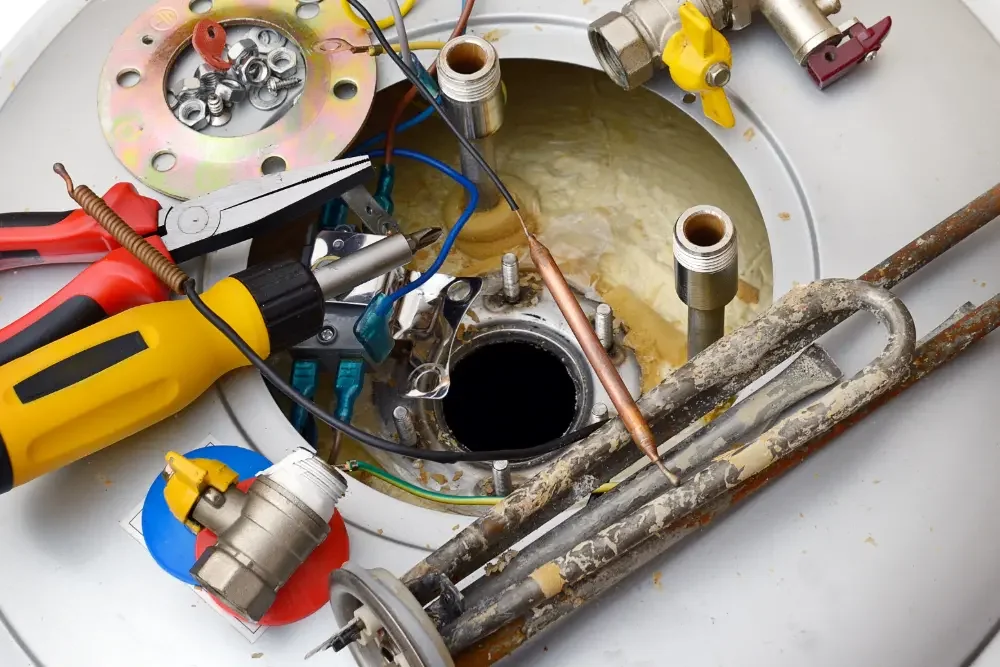
Modern water heater electrical systems represent the most comprehensive hot water infrastructure solution, providing reliable operation through proper electrical supply that ensures safe equipment function via correctly sized circuits and professional installation techniques. These professionally installed systems connect to dedicated electrical circuits and operate with proper control wiring that provides efficient water heating and electrical safety throughout heating cycles.
Standard electrical circuits create capacity and reliability limitations but may seem adequate during initial planning, have insufficient electrical capacity that prevents proper water heater element operation and recovery, lack proper disconnect requirements that create code violations and safety concerns, and cannot support advanced water heater features like smart controls, leak detection systems, or recirculation pumps that require comprehensive electrical infrastructure.
Water heater wiring requirements depend on your specific equipment type and system complexity including standard tank water heaters that require dedicated 240-volt circuits for dual heating elements, tankless water heaters that demand multiple high-amperage circuits for instantaneous heating capability, heat pump water heaters that require proper electrical supply for compressor and backup heating elements, and point-of-use water heaters that need appropriately sized circuits for localized hot water delivery.
Our Comprehensive Water Heater Wiring Strategy
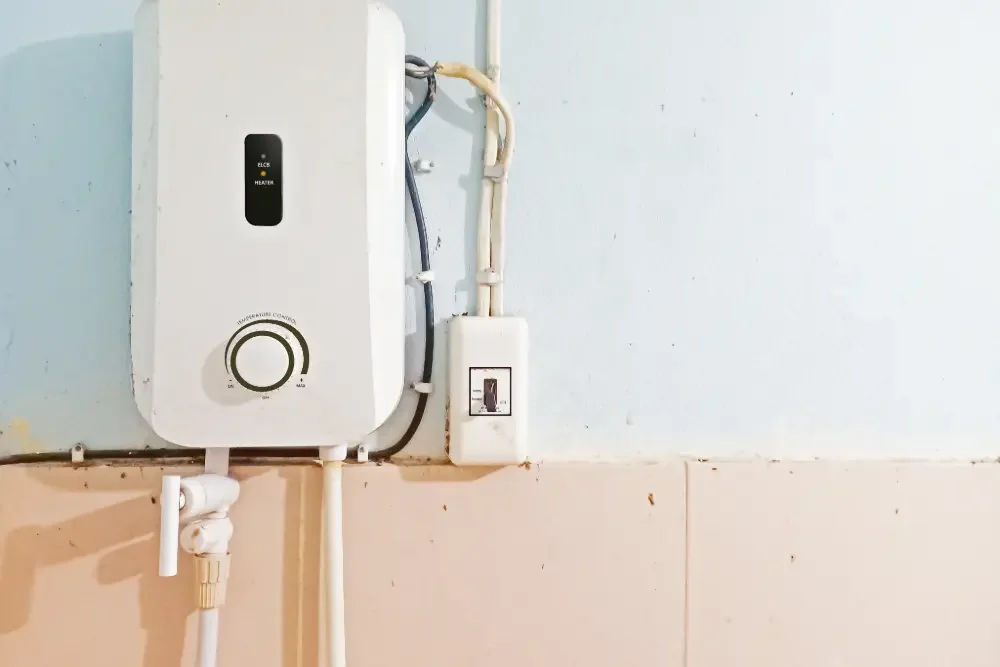
Effective water heater wiring requires detailed electrical load analysis and precise installation that ensures safe, reliable operation throughout your hot water electrical system. Our approach begins with comprehensive water heater electrical assessment including review of equipment specifications and electrical requirements from manufacturer documentation, evaluation of existing electrical panel capacity and available circuit slots for water heater installation, assessment of electrical pathways and disconnect placement requirements for code compliance, and development of electrical solutions that provide reliable water heater operation within electrical safety standards and building code requirements.
The installation process involves implementing properly sized dedicated circuits that safely supply power to water heating equipment, while installing disconnect switches and grounding connections through code-compliant methods that ensure safe operation and provide consistent hot water without creating electrical hazards or equipment reliability issues.
We install only high-quality electrical components throughout the process including properly rated electrical circuits and breakers that provide adequate capacity for water heater loads, code-compliant disconnect switches that enable safe service and meet electrical requirements, correct wire sizing that handles sustained high-amperage operation safely, and professional electrical connections that ensure safe water heater operation and electrical code compliance throughout the installation.
We understand that water heater electrical systems involve substantial power requirements and specific installation techniques that many property owners find technical, so we provide clear explanations of how electrical infrastructure supports water heating equipment to provide safe, efficient hot water throughout your property.
Modern Water Heater Electrical Systems and Advanced Control Features
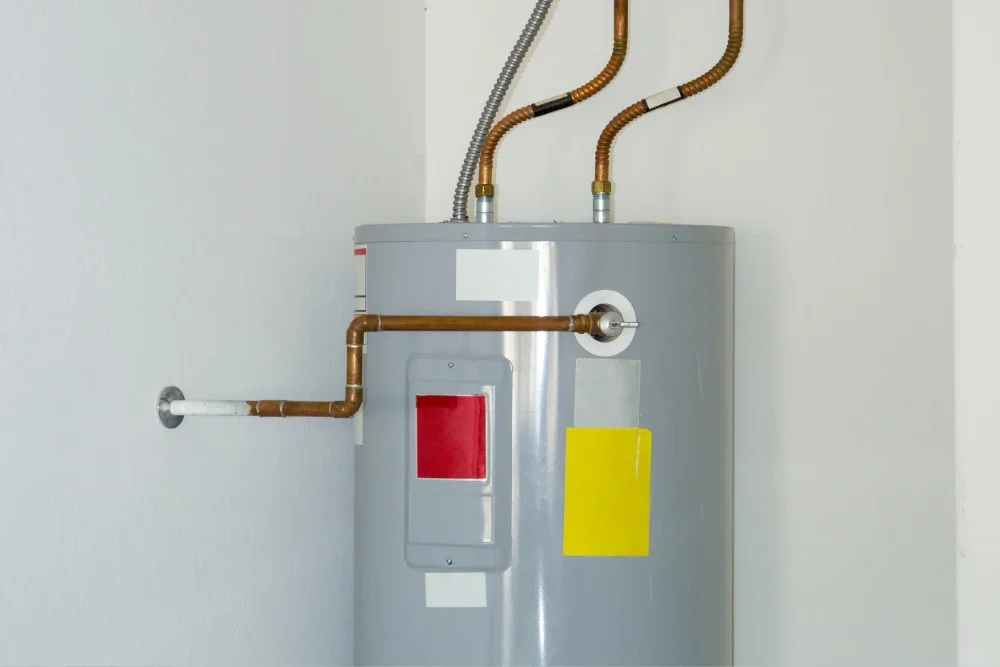
Electrical installations designed for modern water heaters provide the most effective hot water infrastructure for properties that require reliable water heating with proper electrical capacity and advanced control capabilities. These systems can accommodate various water heater technologies while providing consistent electrical supply that enables efficient operation and sophisticated temperature management.
Modern water heater electrical systems include features that provide superior hot water reliability including dedicated circuit installations that prevent electrical interference with sensitive water heater electronics, proper control wiring that enables smart thermostat operation and advanced efficiency features, Wi-Fi connectivity support that enables remote monitoring and temperature adjustment, and appropriate disconnect switches that meet code requirements and enable safe equipment service.
Professional installation ensures these systems operate effectively including proper circuit protection that provides reliable overcurrent protection for water heater equipment, adequate wire sizing that handles heating element startup current and sustained operation safely, appropriate disconnect placement that meets code clearance requirements and enables safe service access, and code-compliant installation that meets all National Electrical Code requirements for water heating equipment.
Modern water heater electrical systems provide particular value for properties with specific hot water needs like high-efficiency heat pump water heaters that require dedicated circuits and proper electrical capacity, whole-house tankless systems that demand substantial electrical infrastructure for instantaneous heating, smart water heaters that need network integration and advanced monitoring capabilities, and solar-ready installations that require electrical infrastructure for future renewable energy integration.
Electrical Load Analysis and Circuit Sizing for Water Heater Equipment

Proper water heater circuit sizing requires detailed electrical load analysis and accurate capacity calculations to ensure adequate electrical supply while accommodating high sustained currents that water heating equipment demands. Our load analysis process includes assessment of heating element wattage and amperage requirements, evaluation of recovery rate electrical demands during peak hot water usage periods, analysis of multiple heating element operation and simultaneous load requirements, and calculation of total water heater electrical requirements that determine proper circuit sizing and electrical panel capacity.
Critical electrical considerations include heating element wattage that determines circuit amperage requirements and wire sizing, voltage requirements that verify proper 240-volt circuit configuration for most electric water heaters, tankless water heater demands that may require multiple circuits totaling 100+ amps for whole-house systems, and control circuit wiring that enables proper thermostat operation and advanced smart features.
Advanced water heater features allow modern systems to operate efficiently including heat pump technology that reduces electrical consumption while maintaining hot water supply, smart connectivity that provides remote control and energy monitoring capabilities, demand response compatibility that enables utility load management and potential cost savings, and leak detection integration that protects property from water damage through automatic shutoff capabilities.
Our water heater electrical expertise ensures your installation provides adequate circuit capacity and proper electrical supply for reliable hot water operation while maintaining electrical safety and supporting efficient water heating throughout your property.
Electrical Code Compliance and Safety Requirements for Water Heater Installation

Water heater electrical installations must comply with National Electrical Code requirements and electrical safety standards that govern water heating equipment installation, disconnect requirements, and circuit protection. Code compliance ensures safe operation and prevents electrical hazards from improper water heater wiring.
Electrical installation requirements include dedicated circuits that provide adequate capacity for water heater equipment without sharing with other electrical loads, proper disconnect switches that meet accessibility and clearance requirements for safe service access, correct grounding and bonding that provides electrical safety throughout the water heater system, and appropriate circuit protection that ensures safe operation during heating element operation and sustained use.
Safety considerations include adequate working clearances that enable safe water heater equipment service and maintenance, proper disconnect placement that maintains required distances and accessibility from equipment, appropriate wire sizing that prevents overheating during sustained high-amperage operation, and correct installation techniques that follow manufacturer specifications and electrical code requirements.
Our water heater electrical expertise ensures installations meet all applicable NEC requirements while following manufacturer guidelines and industry best practices for reliable, safe water heating system operation throughout the equipment lifespan.
Tankless Water Heater Electrical Requirements and Installation
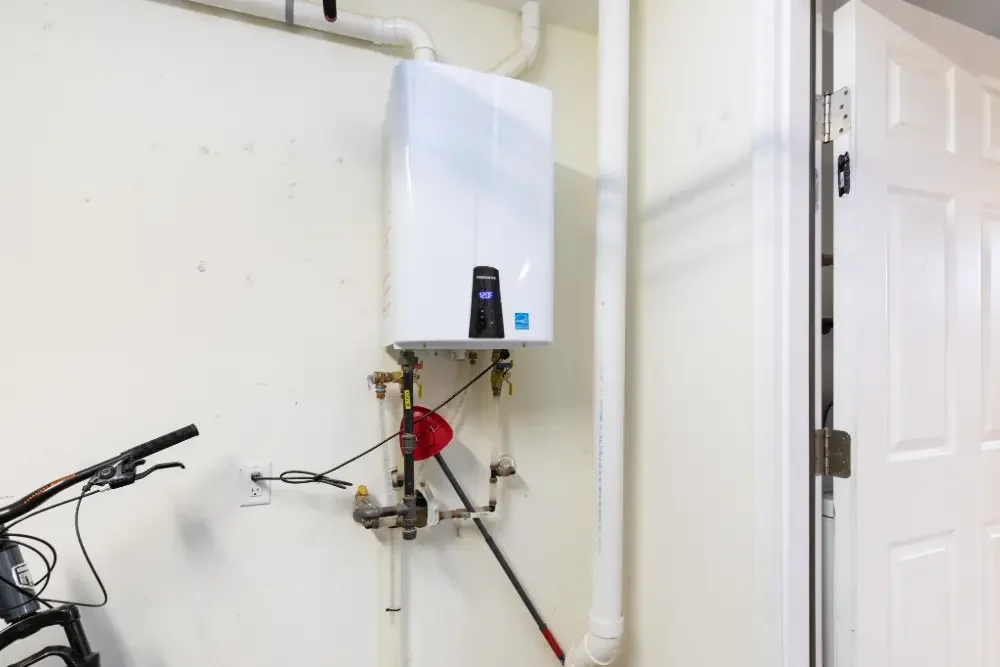
Tankless electric water heaters present unique electrical challenges that require specialized expertise and substantial electrical infrastructure to provide reliable instantaneous hot water throughout your property. These high-demand systems require comprehensive electrical planning and professional installation to operate safely and effectively.
Tankless water heater electrical considerations include high amperage requirements that may exceed 150 amps for whole-house systems with multiple heating elements, multiple circuit installations that distribute electrical load across several dedicated breakers, electrical panel upgrades that may be necessary to accommodate substantial tankless water heater demands, and proper wire sizing that handles sustained high-amperage loads without overheating or voltage drop issues.
Installation requirements for tankless systems include assessment of existing electrical panel capacity and potential upgrade requirements, calculation of total amperage requirements based on temperature rise and flow rate specifications, installation of multiple dedicated circuits with appropriate breaker sizing for each heating module, and proper wire routing that maintains code-compliant clearances and enables safe equipment access.
Tankless water heater electrical installations provide benefits including unlimited hot water supply through instantaneous heating capability, energy efficiency through elimination of standby heat loss from tank storage, space savings from compact equipment that requires less installation footprint, and long equipment lifespan that provides excellent return on electrical infrastructure investment.
Heat Pump Water Heater Electrical Installation and Efficiency Benefits
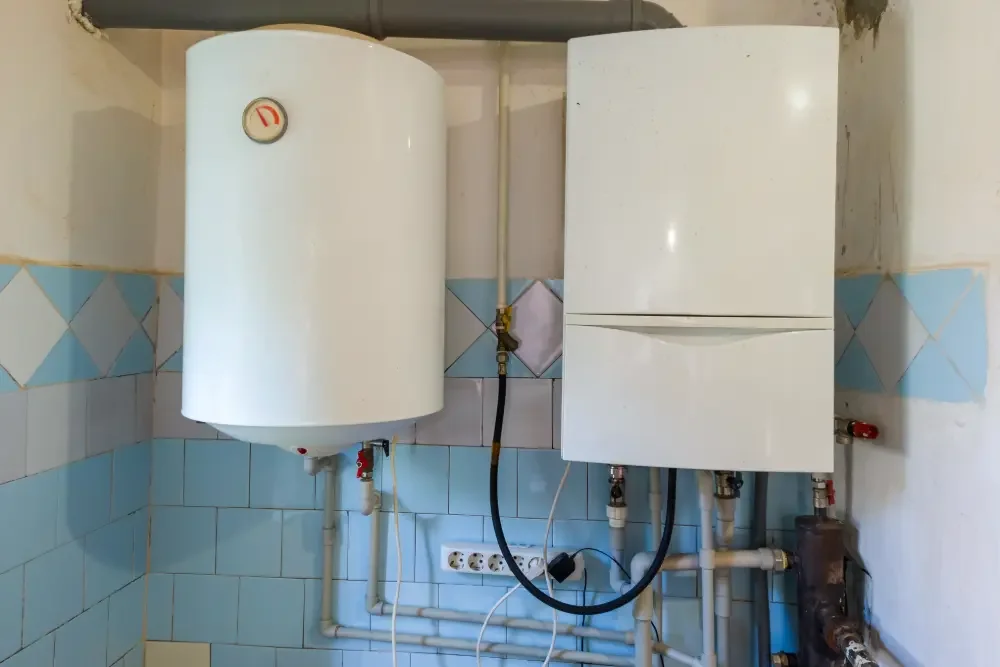
Heat pump water heaters represent the most energy-efficient electric water heating technology available, using heat pump technology to extract warmth from surrounding air and transfer it to stored water while consuming significantly less electricity than conventional resistance heating elements. These advanced systems require proper electrical installation to maximize efficiency benefits and ensure reliable operation.
Heat pump water heater electrical requirements include dedicated 240-volt circuits that provide adequate capacity for compressor and backup element operation, proper circuit sizing that accommodates both heat pump and resistance heating modes, appropriate disconnect installation that enables safe service and meets code requirements, and control wiring that supports smart features and efficiency optimization capabilities.
Efficiency advantages of heat pump water heaters include energy consumption reductions of 50-70% compared to conventional electric water heaters, lower operating costs that provide significant savings over equipment lifespan, reduced environmental impact through decreased electricity consumption and carbon emissions, and utility rebate eligibility that may offset initial installation costs through incentive programs.
Our heat pump water heater electrical expertise ensures proper installation that maximizes efficiency benefits while providing reliable hot water through backup heating capability when ambient conditions limit heat pump performance.
Gas-to-Electric Water Heater Conversion Electrical Requirements
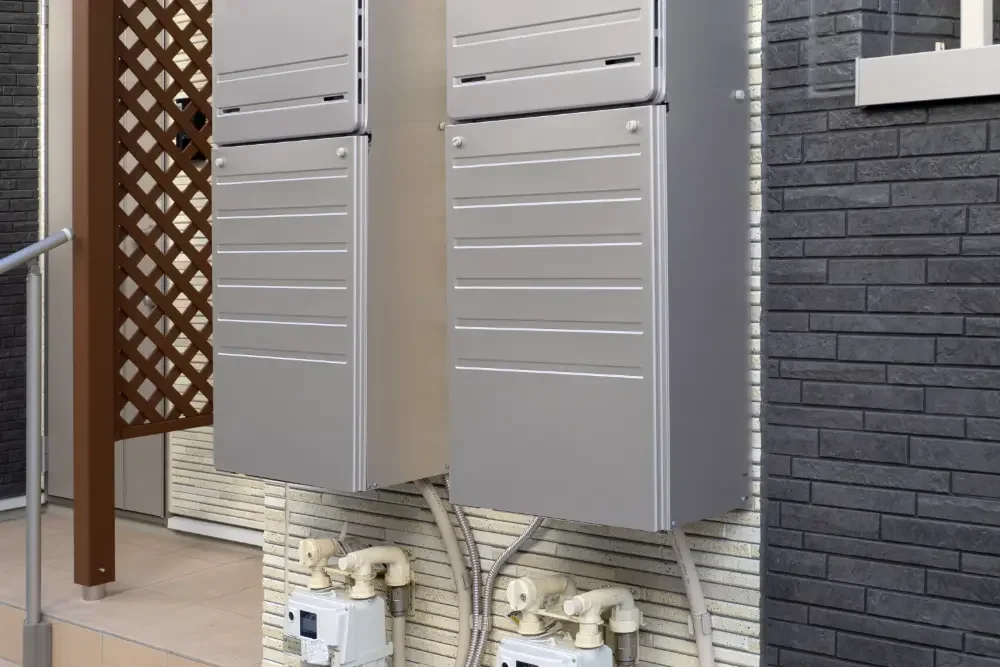
Converting from gas to electric water heating requires complete electrical infrastructure installation since existing gas water heater locations typically lack the dedicated circuits and electrical capacity that electric water heaters demand. These conversion projects require comprehensive electrical planning and professional installation to provide reliable hot water through new electrical infrastructure.
Conversion electrical requirements include new dedicated circuit installation from electrical panel to water heater location, potential electrical panel upgrades to accommodate additional high-amperage circuits, proper wire routing through walls and ceilings to reach existing water heater placement, and disconnect switch installation that meets code requirements and enables safe service access.
Reasons for gas-to-electric conversion include elimination of gas line safety concerns and potential carbon monoxide risks, preparation for electrification goals and reduced fossil fuel dependence, compatibility with solar panel installations and renewable energy systems, and access to high-efficiency heat pump water heaters that provide substantial energy savings.
Our conversion expertise ensures proper electrical infrastructure installation that supports reliable electric water heater operation while meeting all code requirements and providing safe, efficient hot water throughout your property.
Planning Your Water Heater Wiring Investment
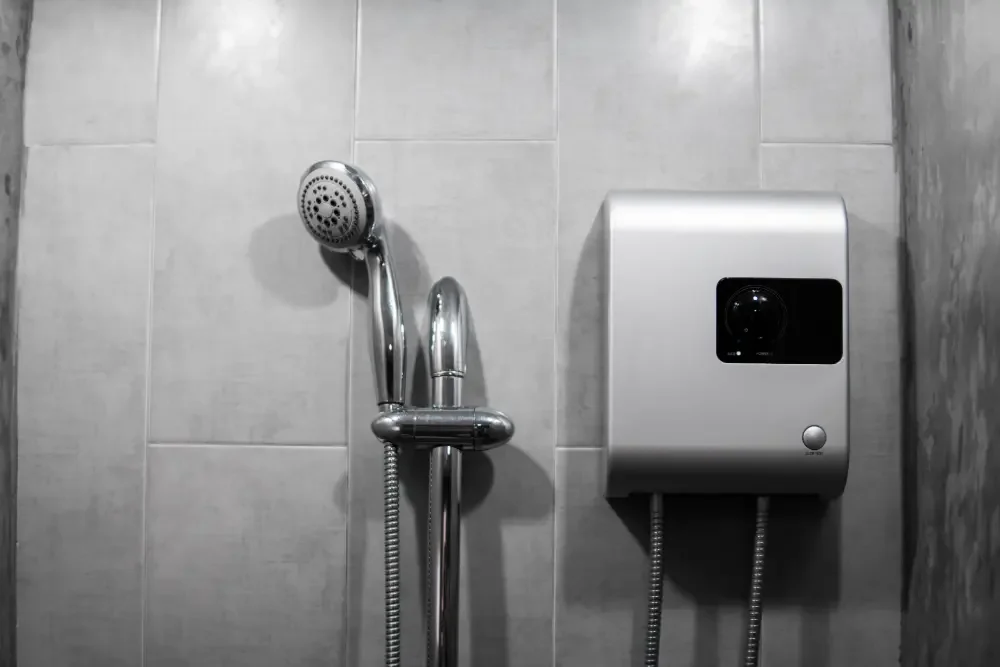
Water heater wiring represents a valuable investment in property comfort, hot water reliability, and energy efficiency, requiring proper evaluation and planning to ensure optimal electrical infrastructure and equipment compatibility. Our consultation process includes comprehensive assessment of your water heater electrical requirements and system specifications, detailed explanation of different wiring options and electrical upgrade needs, transparent pricing that includes all aspects of installation and any required electrical modifications, and realistic expectations about system operation and energy efficiency.
We work with homeowners, plumbers, and contractors to develop electrical solutions that match specific hot water requirements, existing electrical infrastructure characteristics, and efficiency goals while ensuring all electrical circuits operate safely and reliably together. Whether you need basic water heater circuit installation or comprehensive electrical infrastructure for high-demand tankless systems, we provide the expertise and support that ensures your water heater electrical investment provides maximum reliability, efficiency, and long-term performance.
Long-Term Value of Professional Water Heater Wiring
Professional water heater wiring provides benefits that extend far beyond basic equipment connectivity. Properly installed water heater electrical systems provide reliable hot water through adequate circuit capacity and correct connections, prevent equipment damage from proper electrical supply and circuit protection, support energy efficiency through correct wiring that enables advanced water heater features, and provide peace of mind that comes from knowing your water heating equipment operates safely with proper electrical infrastructure.
Our systematic approach to water heater wiring has provided reliable hot water electrical systems throughout our service area, building the experience and reputation that makes us the trusted choice for property owners who want comprehensive electrical safety and water heater reliability. We understand that water heater wiring is an investment in maintaining property comfort and ensuring efficient hot water operation, which is why we approach every project with the care and precision it deserves.
Areas We Serve
Service Areas
If you need electrical services or an electrician in Seattle, WA, or any of the locations listed, do not hesitate to give us a call today! Schedule an appointment and we will head to your city to diagnose your electrical needs.
King County
Seattle, WA

Bellevue, WA
Kirkland, WA
Mercer Island, WA
Kent, WA
Federal Way, WA
Burien, WA
Des Moines, WA
Tukwila, WA
Woodinville, WA
Redmond, WA
Cottage Lake, WA
Shoreline, WA
Renton, WA
Fairwood, WA
White Center, WA
SeaTac, WA
South Center, WA
Snohomish County
Bothell, WA
Everett, WA
Snohomish, WA
Edmonds, WA
Marysville, WA
Pierce County
Tacoma, WA
Puyallup, WA
Edgewood, WA
Auburn, WA
Sumner, WA
Fife, WA
Dash Point, WA
Monday Through Saturday:
6:00am to 6:00pm
Sunday:
6:00am to 12:00pm
Hours of Operation
Location
Schedule Your Water Heater Wiring Consultation
Don't let inadequate electrical infrastructure compromise your hot water reliability when professional water heater wiring could provide proper electrical capacity and safe equipment operation. Trust JCS Electrical's expertise to evaluate your water heater electrical needs and provide professional installation solutions that ensure your water heating equipment operates reliably with proper electrical support.
📞 Call (425) 552-1502 📧 Email team@jcselectricalseattle.com
Service Hours: Monday – Saturday: 6:00 AM to 6:00 PM Sunday: 6:00 AM to 12:00 PM
Serving: Seattle, WA | Everett, WA Kirkland, WA | Marysville, WA Redmond, WA | Shoreline, WA Edmonds, WA | Bellevue, WA Bothell, WA | Snohomish, WA Mercer Island, WA | Woodinville, WA Cottage Lake, WA
Whether you're installing new electric water heaters with proper electrical infrastructure, upgrading to energy-efficient tankless or heat pump systems with adequate circuit capacity, or converting from gas to electric water heating with complete electrical installation, JCS Electrical delivers the precision and expertise that ensures your water heater wiring provides dependable electrical support and reliable hot water for years of comfortable, energy-efficient operation. Contact us today for your free consultation and discover why property owners throughout Snohomish and King Counties trust us for their most important water heater electrical installations.
Our Customer Reviews
EXCELLENT
⭐⭐⭐⭐⭐
Based on 20 Reviews on Google
-
![Amy O'Neil review for JCS Electrical from Google]()
Amy O'Neill
⭐⭐⭐⭐⭐
We hired JCS Electrical to install a whole home generator after losing power for a week following the last bomb cyclone. Justin provided a comprehensive report with generator options based on our needs. He was very communicative and professional throughout the entire process and handled all the necessary permits and contractors. I would highly recommend JCS Electrical and plan to hire them again!
-
![Lisa Johnson review for JCS Electrical from Google]()
Lisa Johnson
⭐⭐⭐⭐⭐
Justin and Richard did a great job, on time, professional and friendly, pulled two lines from garage through to kitchen area, in a tri-level house it was a bit of a challenge. I really give them 10🌟
-
![Nicholas Johnson review for JCS Electrical from Google]()
Nicholas Johnson
⭐⭐⭐⭐⭐
Had and excellent experience with Justin and his crew. Top self work installing backup system and outdoor heater!
-
![Corinne White Review on Google for JCS Electrical]()
Corinne White
⭐⭐⭐⭐⭐
Fast, efficient, dependable, and very helpful. I called on Sears originally, but after my appointment was delayed multiple times throughout the day, I received a text telling me my appointment was cancelled for the day and rescheduled for four days later (and the diagnostic fee was twice what Justin charged!!!). I canceled them, scheduled Justin, who came one day later, at the scheduled time, and showed up on time again the day after we received the part! We highly recommend JCS Construction!!




FAQs
-
Absolutely, JCS Electrical is a fully licensed electrician near me and insured for all electrical services, ensuring your property and our team are protected. Operating in Servicing Greater Seattle, King, Snohomish and Pierce Counties, we comply with local regulations and uphold the highest standards of professionalism. Our reputation for reliable electrical contractor services speaks for itself. Call us to verify our credentials or book a free consultation.
-
If the project calls for permits and inspections, then we will ensure compliance with local building codes. We can handle permits and arrange for inspections, as required by law.
-
We adhere to the safety standards of the National Electrical Code and use proper equipment to prevent hazards like electrical fires or shocks.
-
Absolutely. We will be more than happy to assist in an urgent situation where a repair is necessary or provide post-project support when it is deemed fit. Our availability for emergencies is around the clock so please let us know if you are experiencing one.
Our electricians provide rapid response for urgent electrical issues, such as power outages or unsafe wiring, in Servicing Greater Seattle, King, Snohomish and Pierce Counties. Our licensed electricians ensure quick, safe solutions. Call us for emergency electrical service.
-
JCS Electrical, a leading electrician near me, provides top-quality electrical services for residential and commercial clients in Greater Seattle, Pierce, King and Snohomish Counties. Our services include home standby backup generator installations, EV charger installations, generator plug-in/interlock kits, main panel and subpanel installations, residential electrical wiring, electrical repairs, hot tub electrical installation, home automation (IoT), HVAC wiring, and specialty installations like heated floors, bathroom fans, and timer switches. We also offer outdoor electrical services such as landscape lighting, outdoor outlet installation, gate motors, and pool pump wiring, plus kitchen, bathroom, dining room, living room, and bedroom electrical upgrades. Our licensed electricians ensure reliable, code-compliant solutions. Call us for a free quote to start your project.
-
Water heater wiring includes connecting the heater to a dedicated electrical circuit, installing the correct breaker, ensuring proper grounding, and wiring thermostats and heating elements according to manufacturer specifications.
-
Most electric water heaters operate on 240 volts, using a double-pole breaker. Smaller or point-of-use units may operate on 120 volts.
-
Yes. Electrical codes require electric water heaters to be on a dedicated circuit to handle the high current draw safely and prevent breaker overloads.
-
Wire size depends on the heater’s wattage and amperage. Common sizes include:
10-gauge copper for 30-amp circuits
8-gauge copper for higher-wattage units
Always follow manufacturer and code requirements.
-
Yes. A local disconnect within sight of the water heater (or a breaker lock) is typically required to allow safe servicing and emergency shutoff.